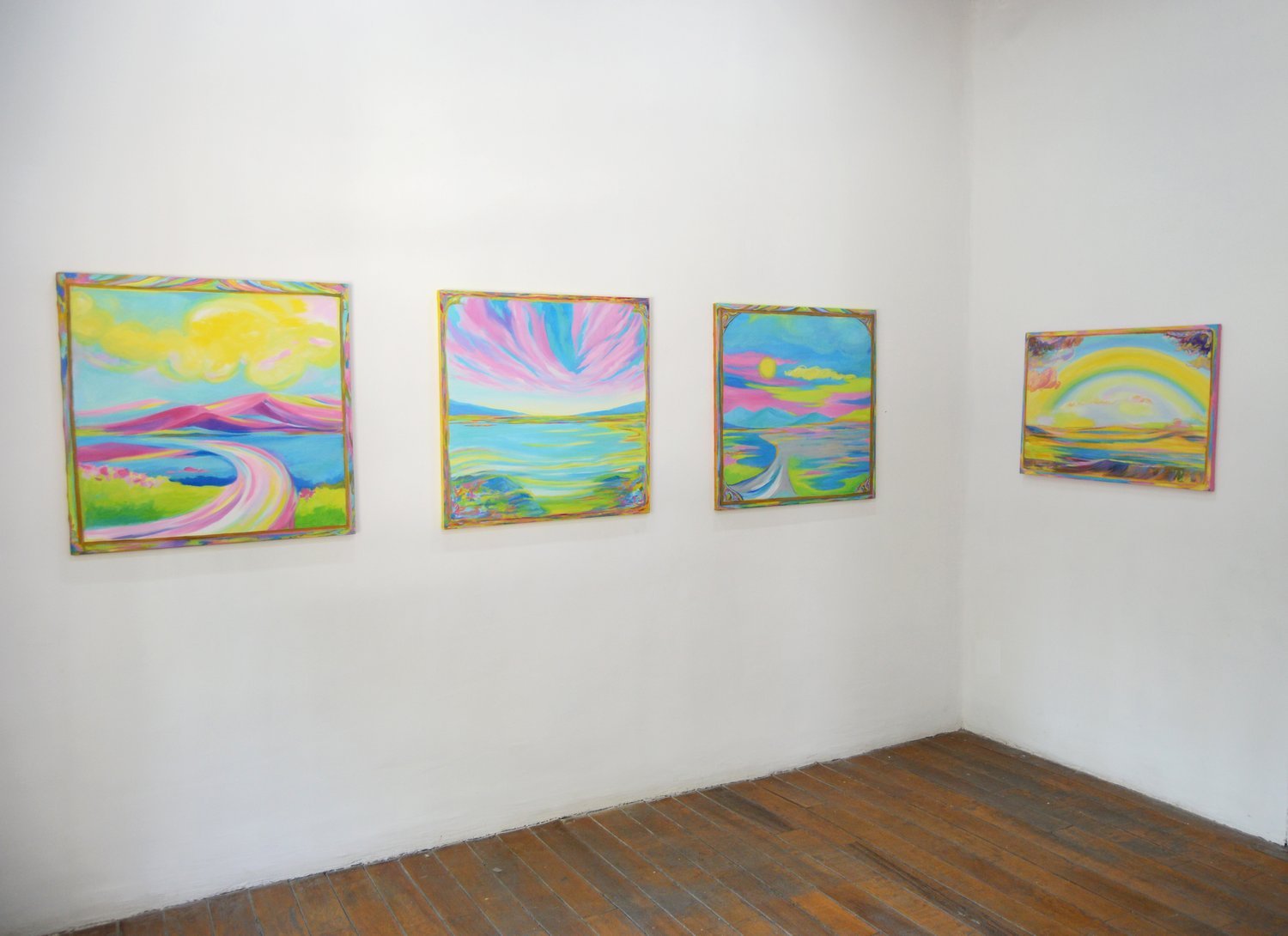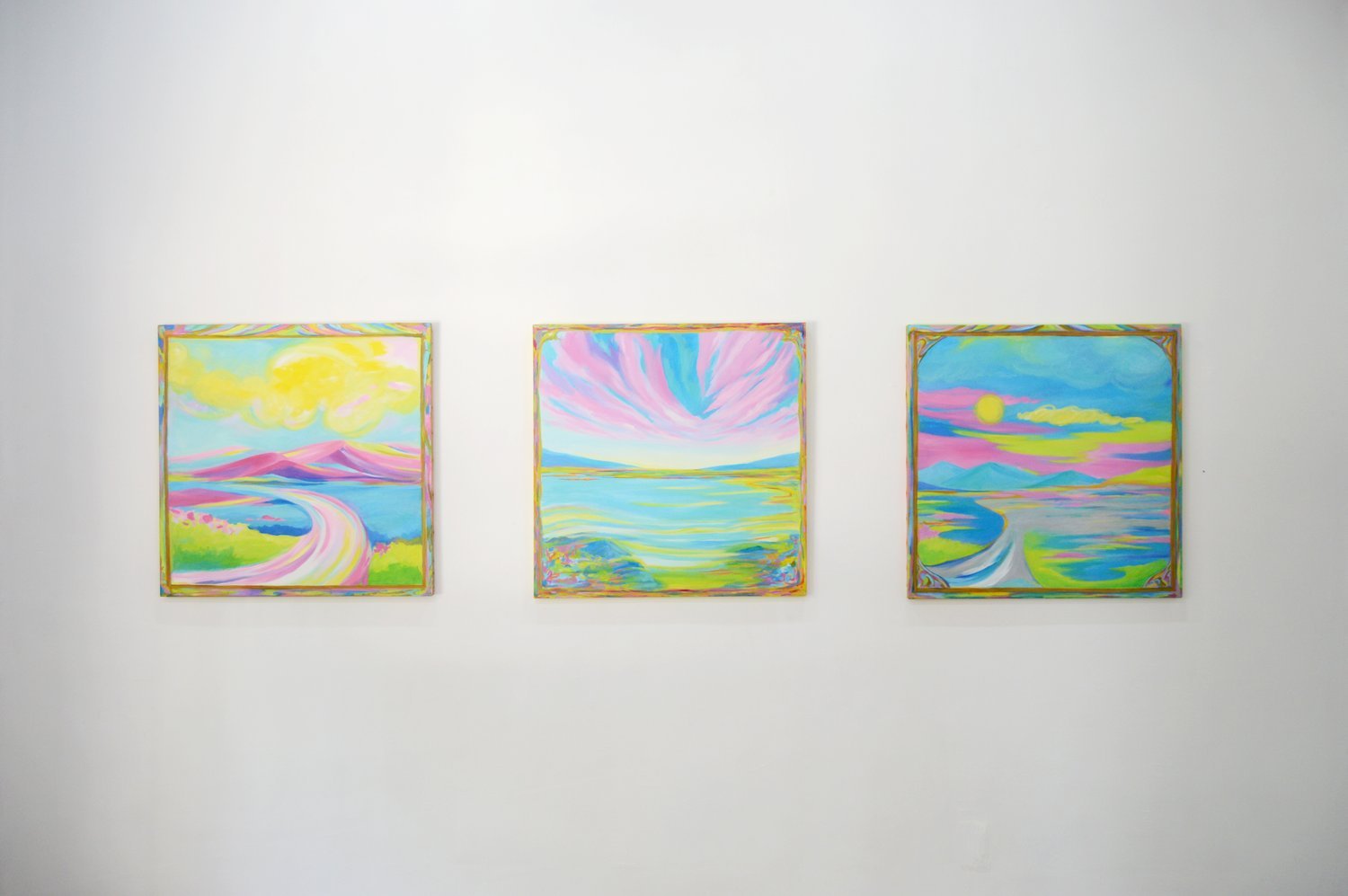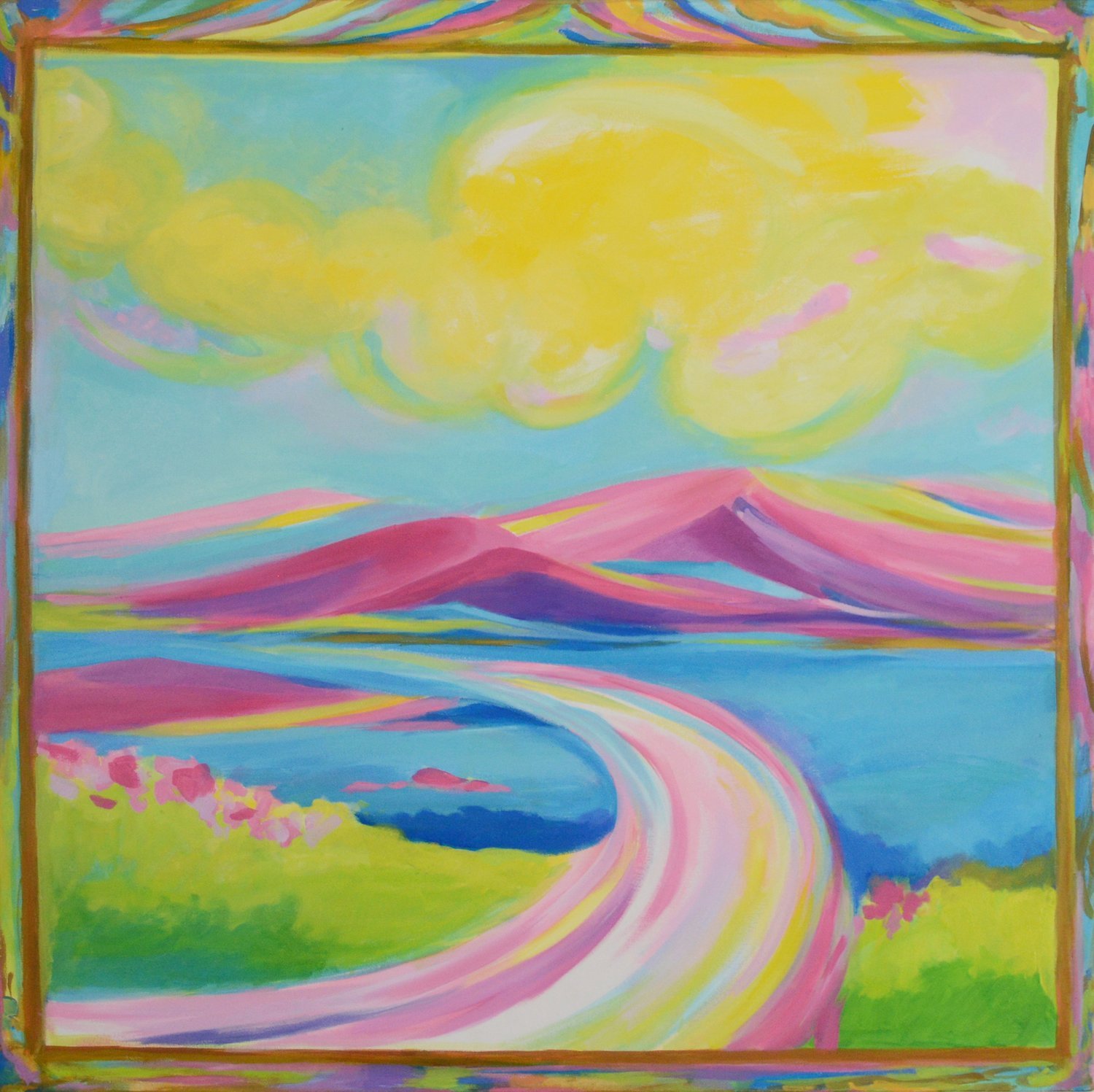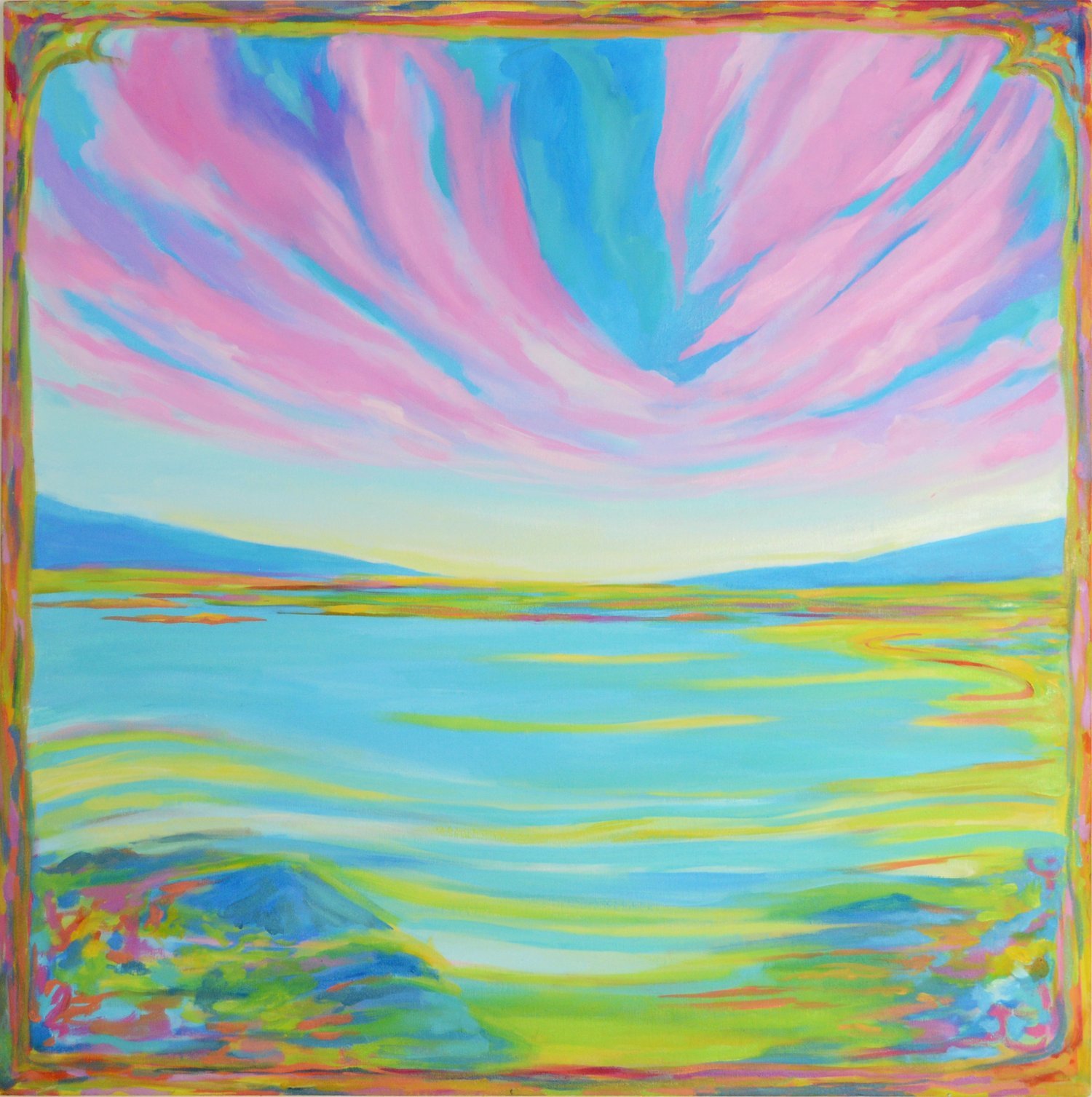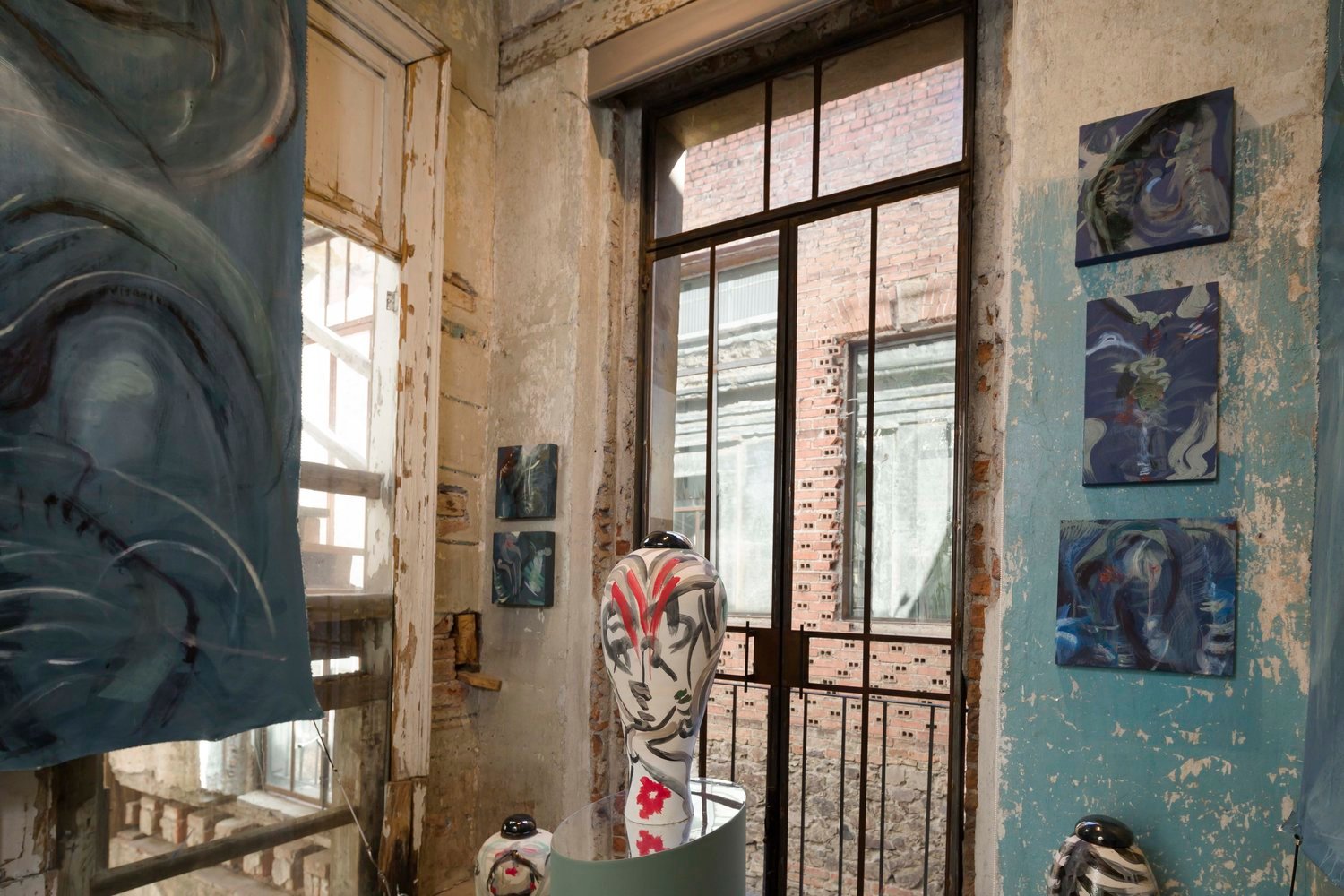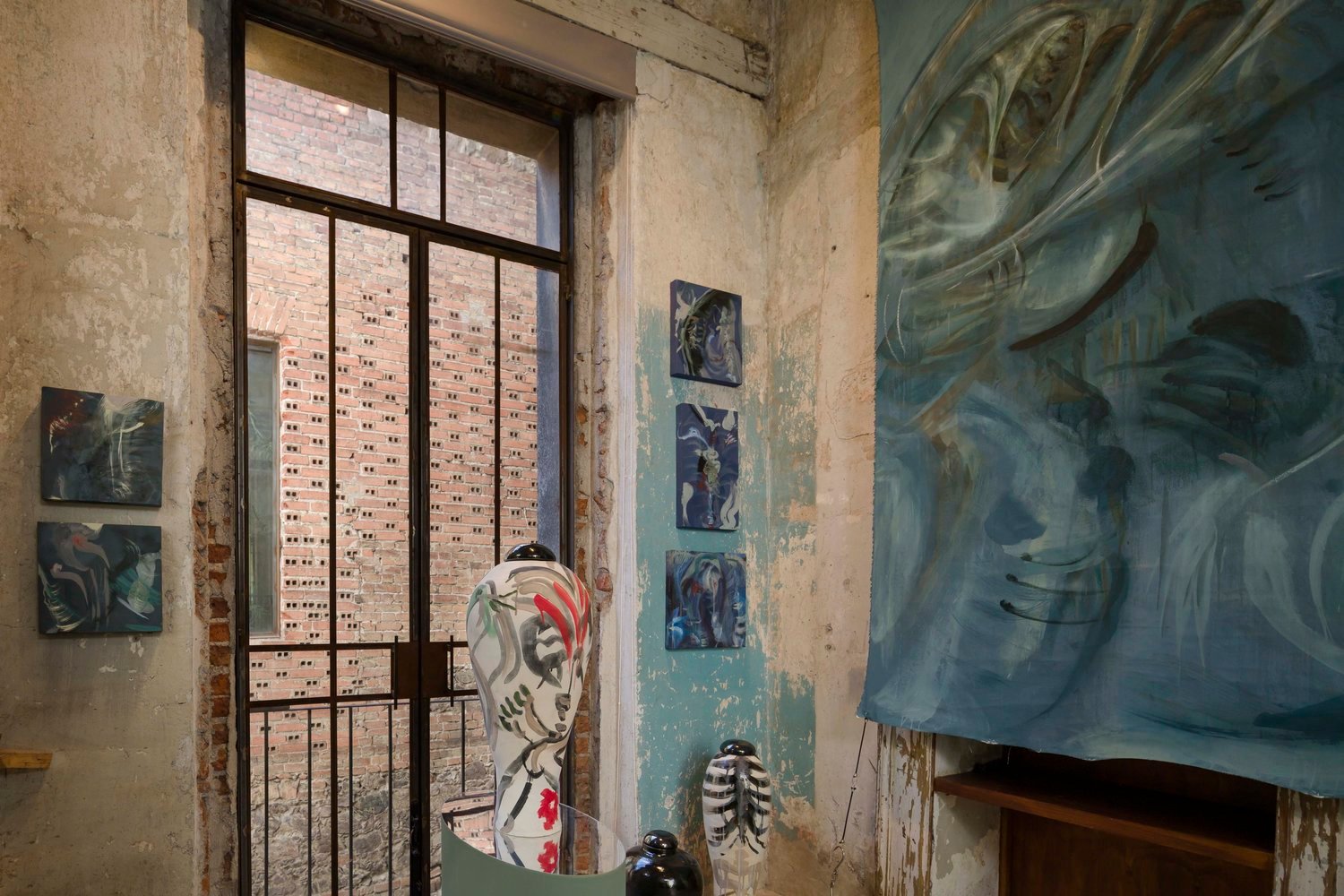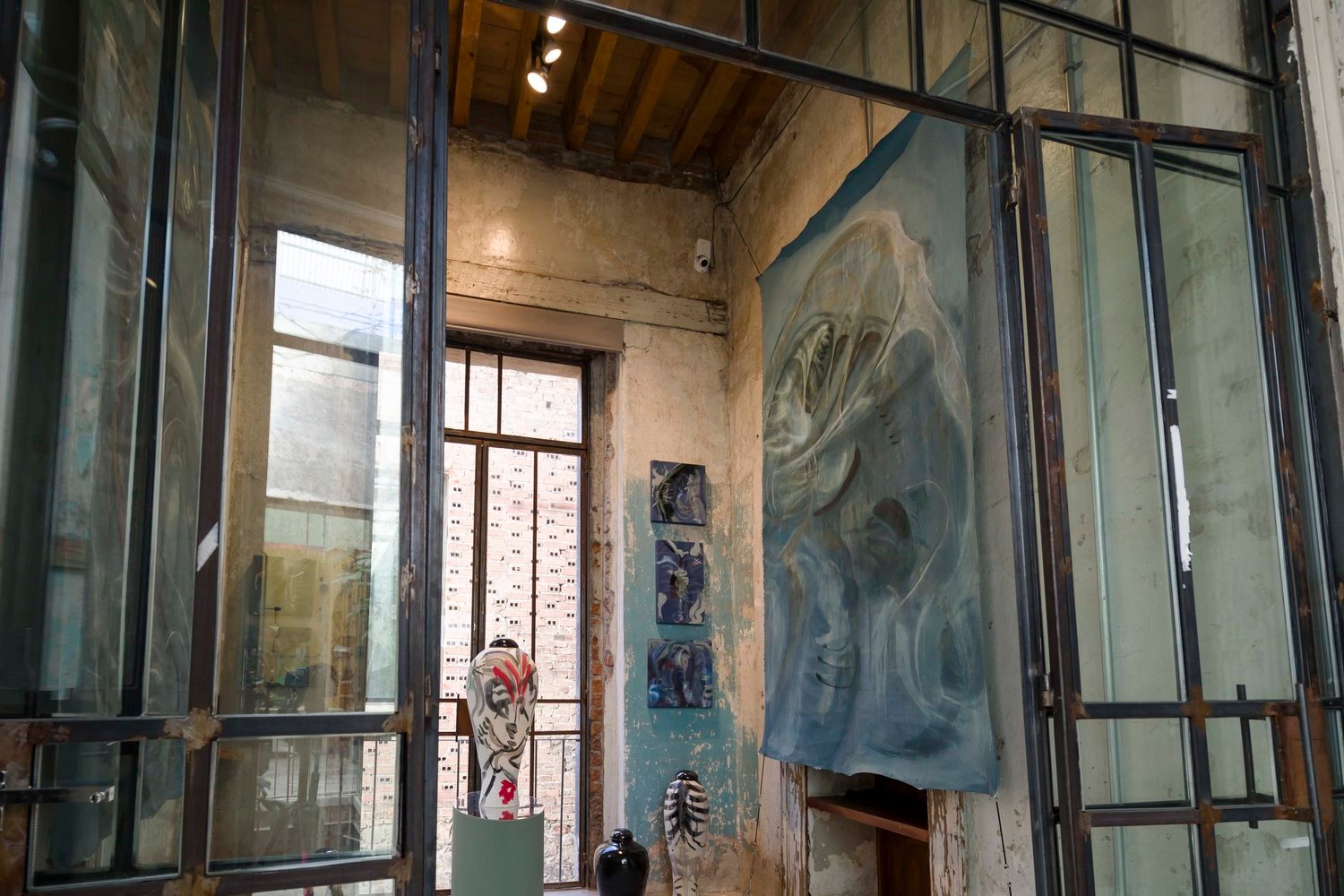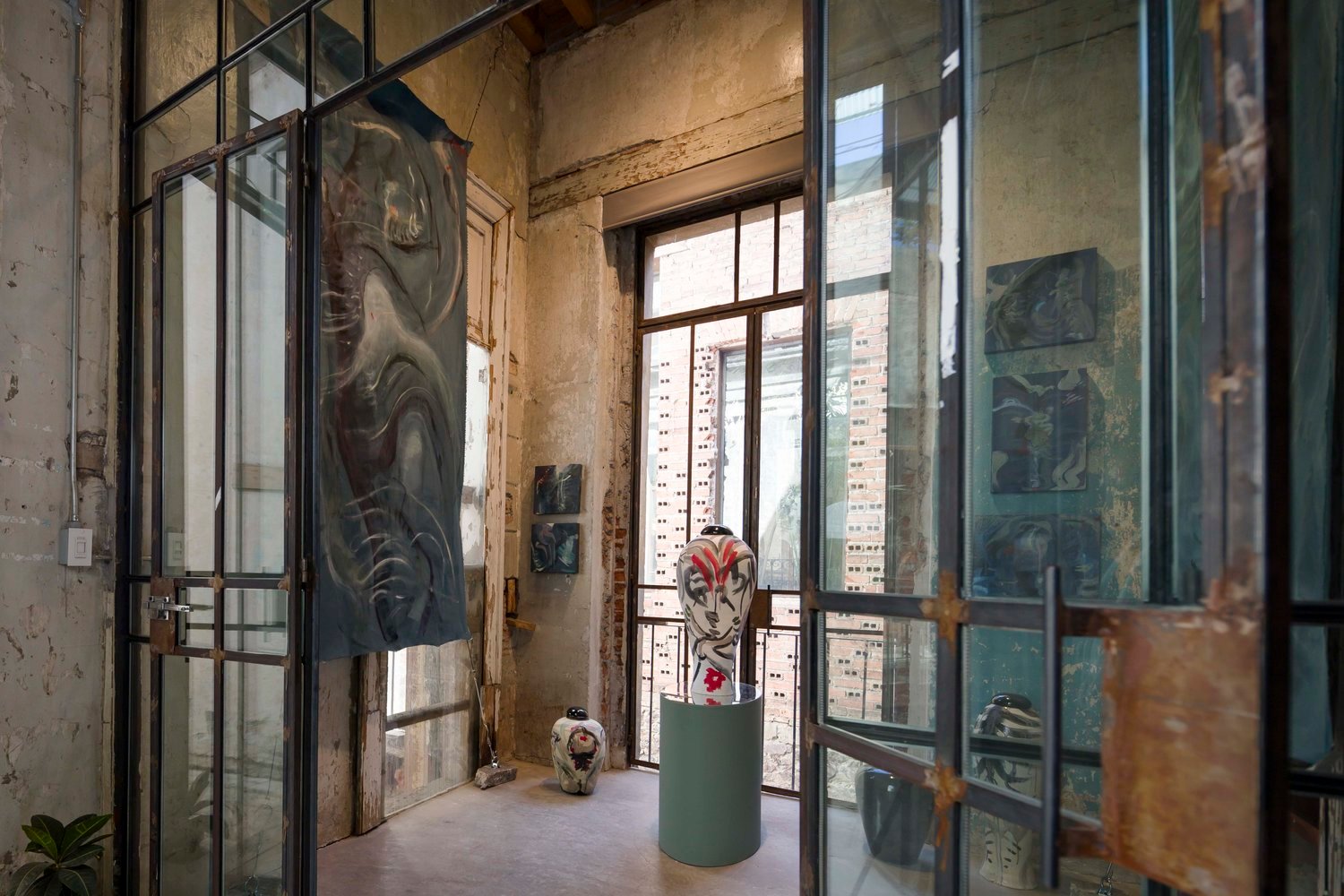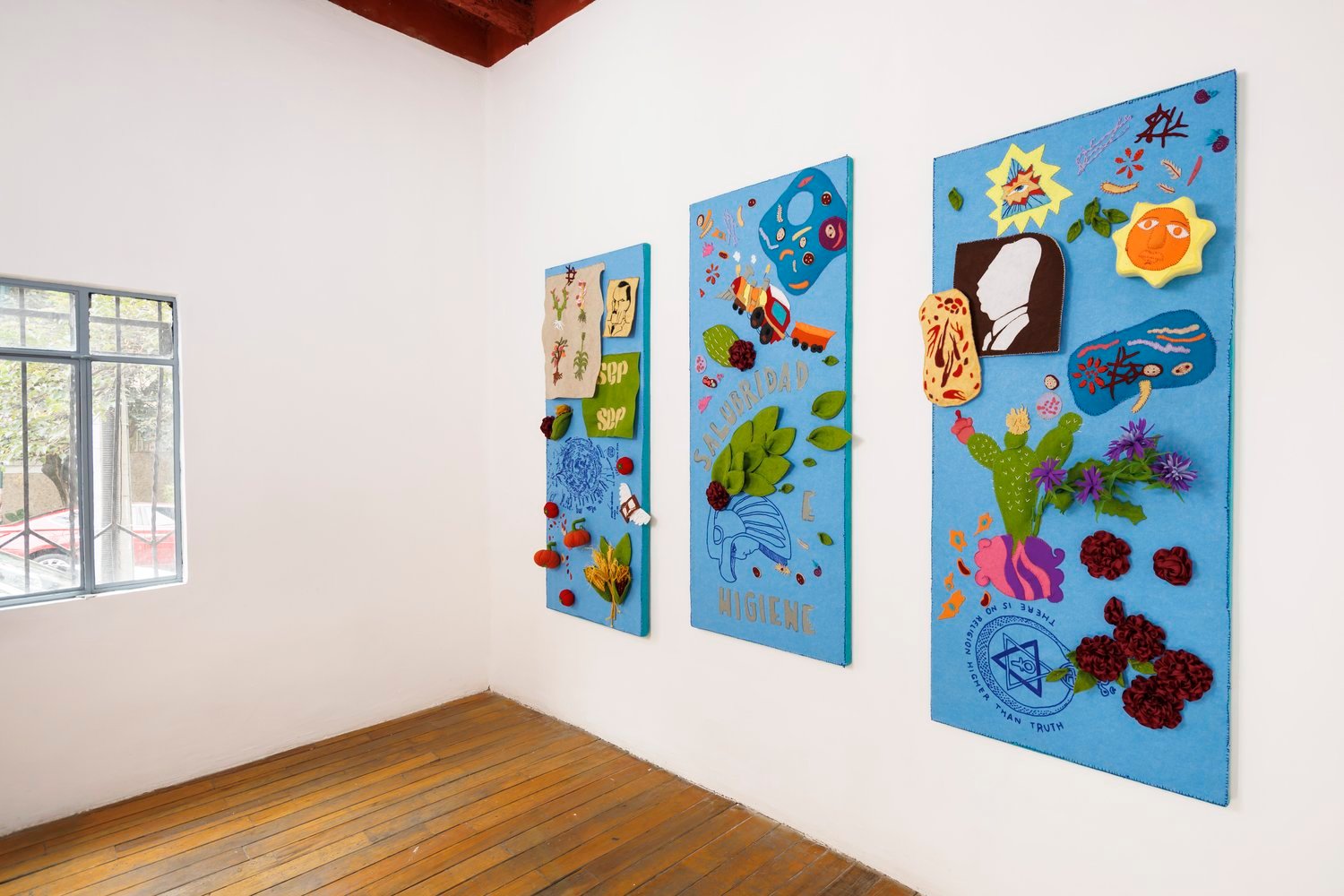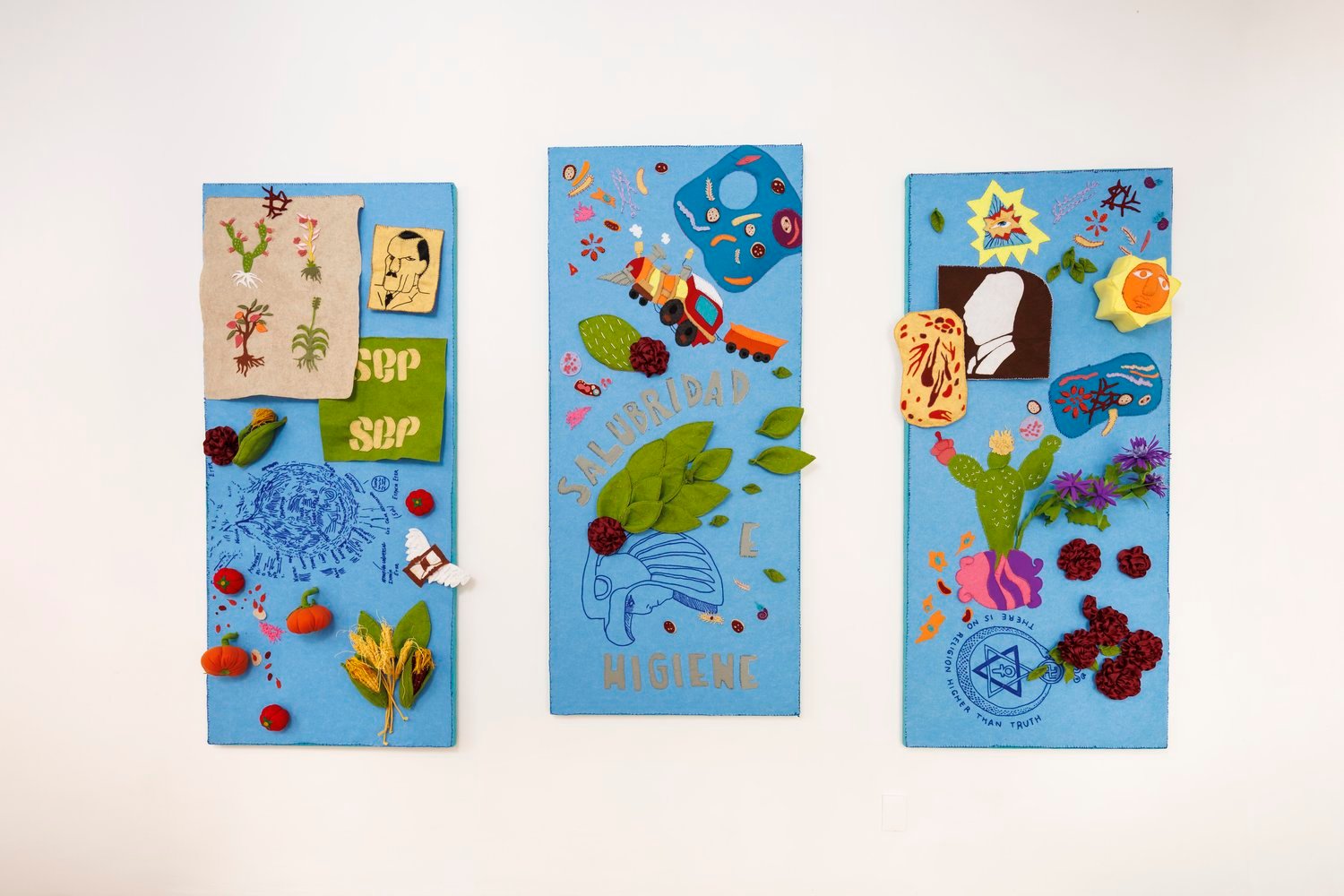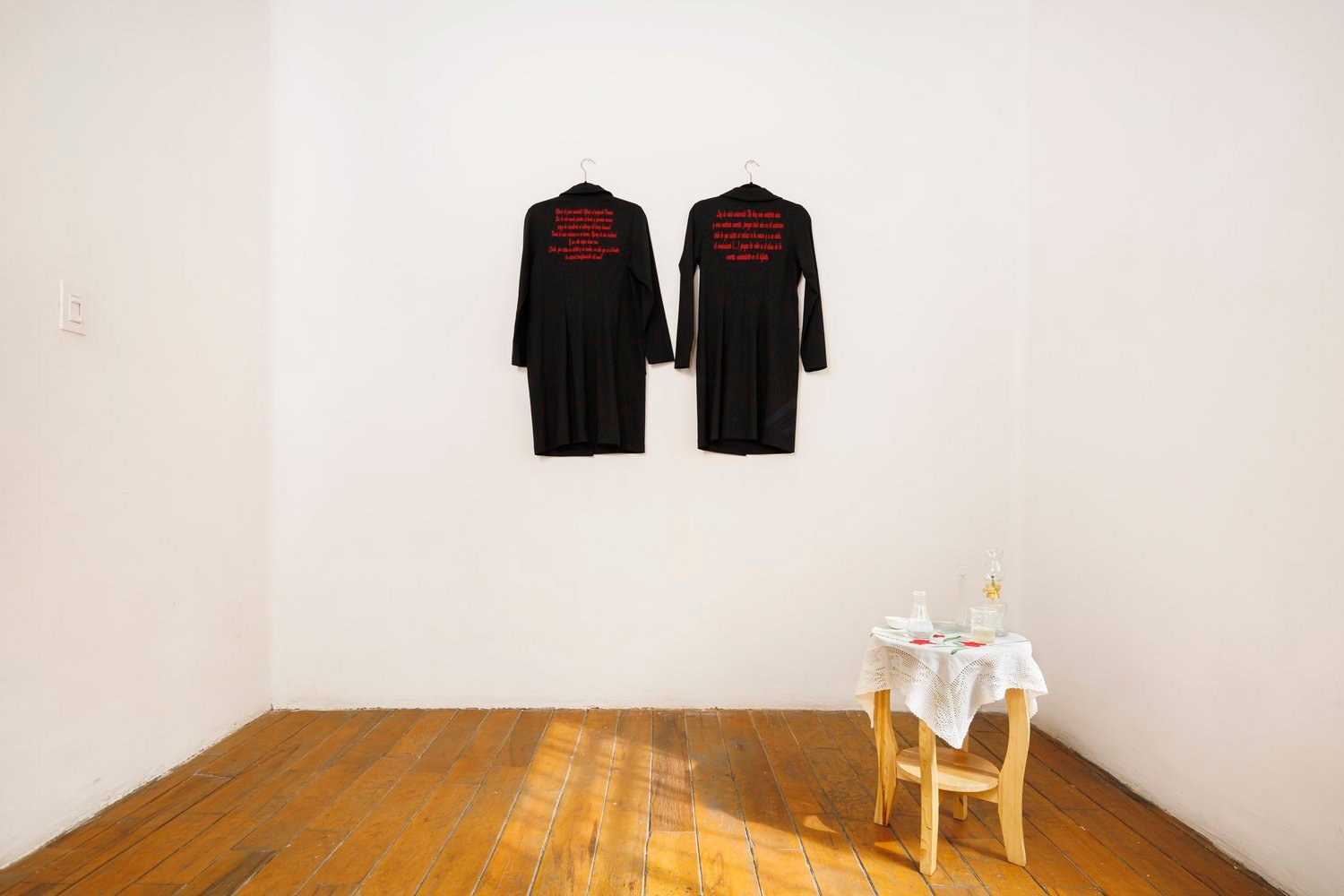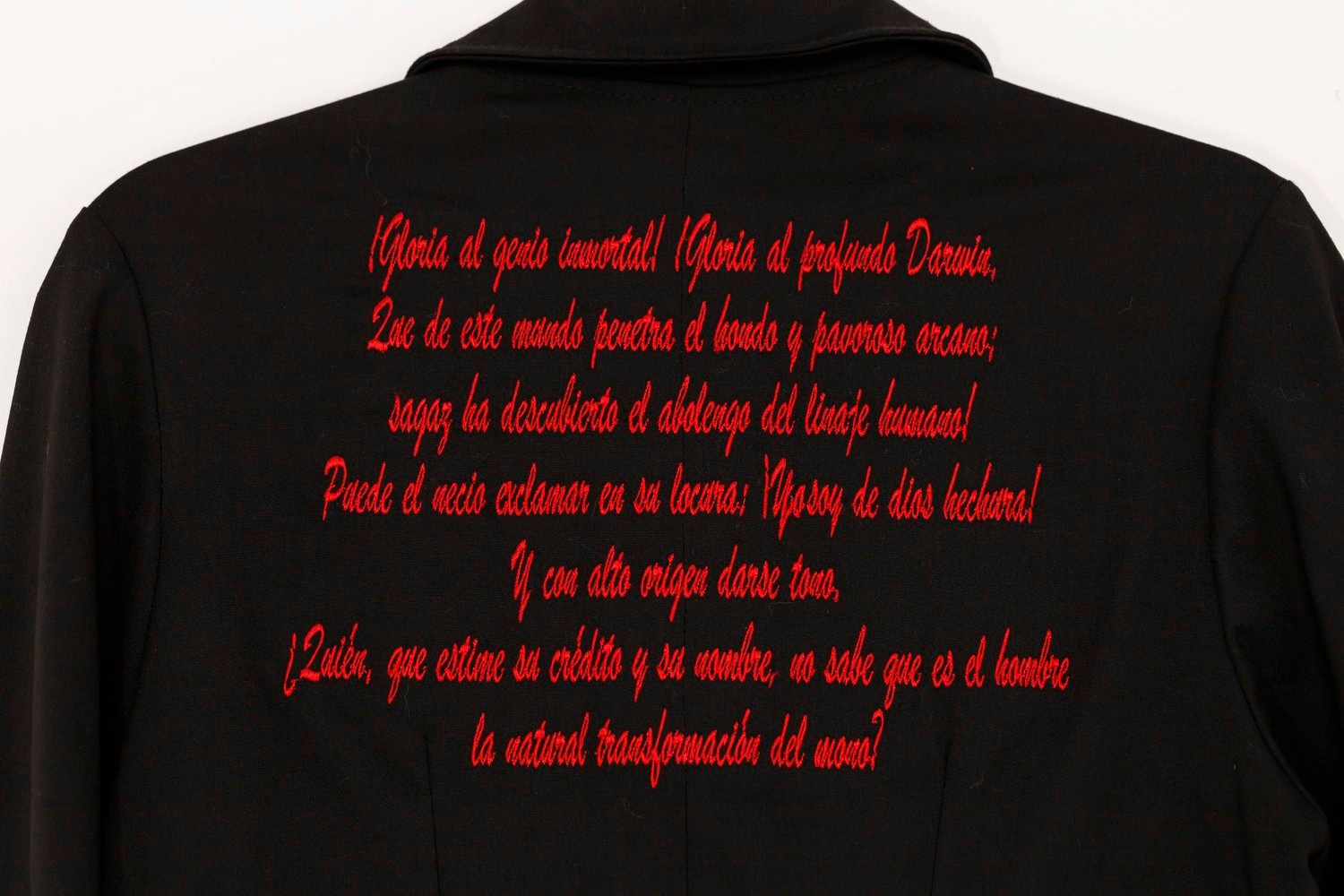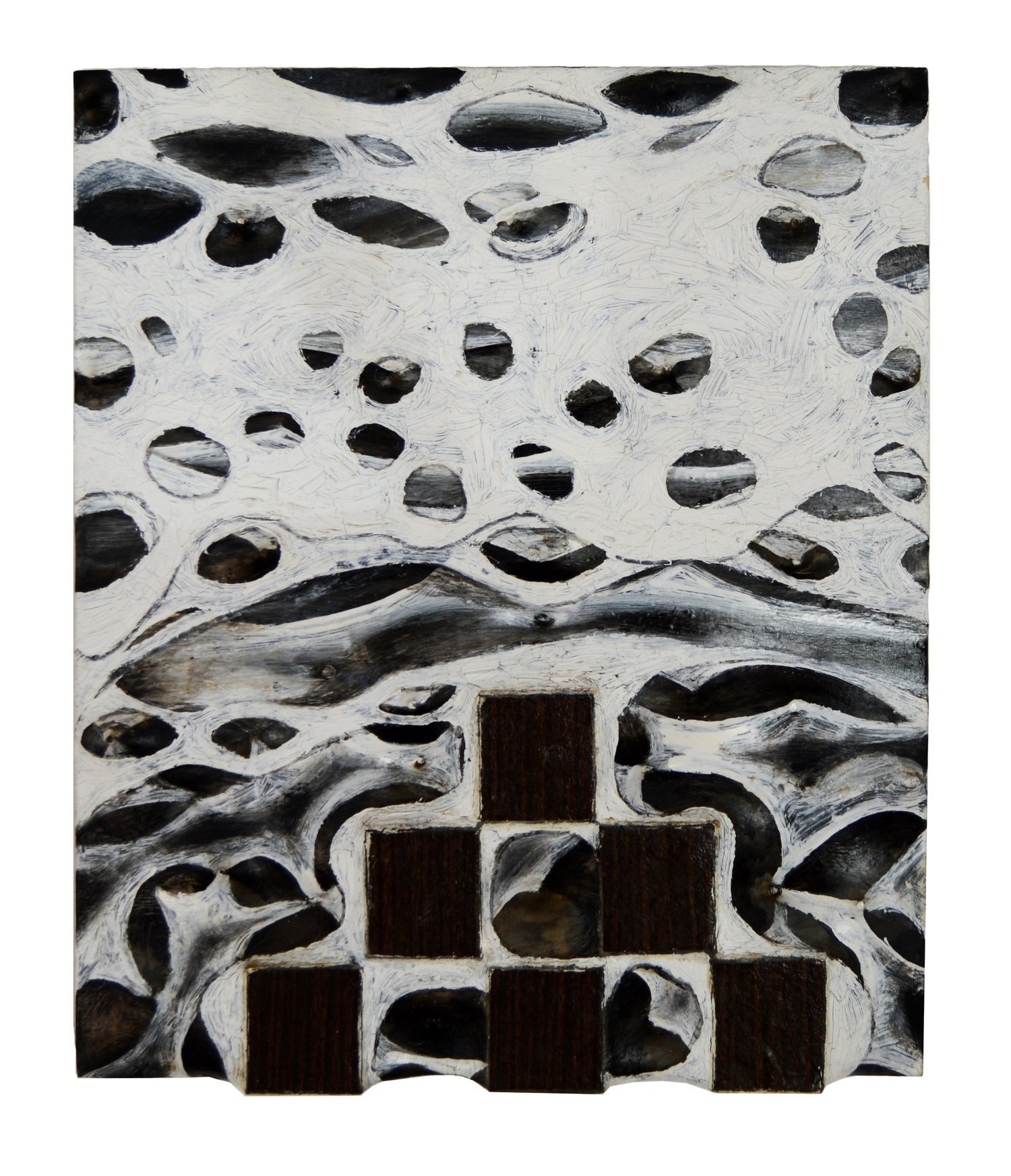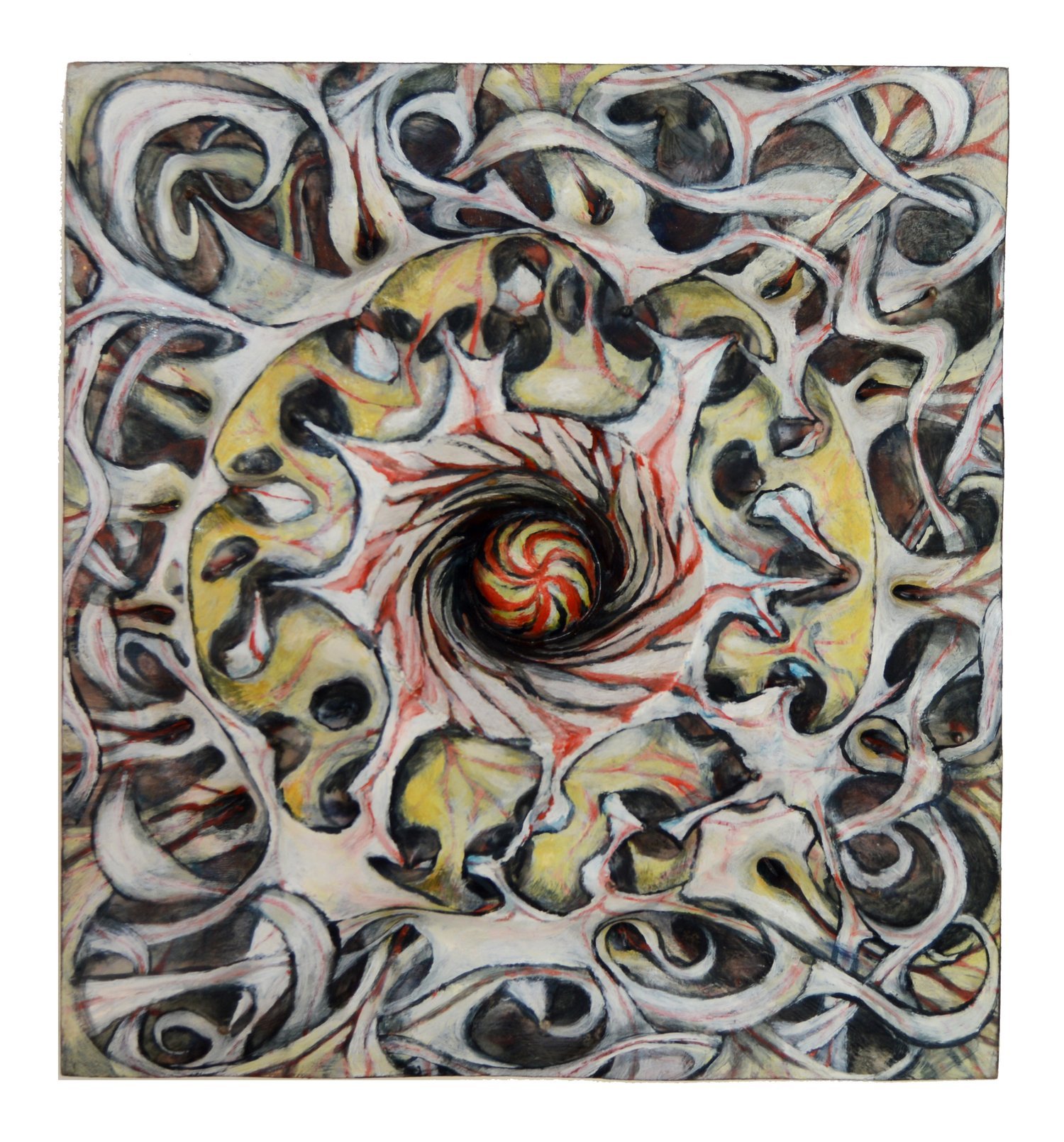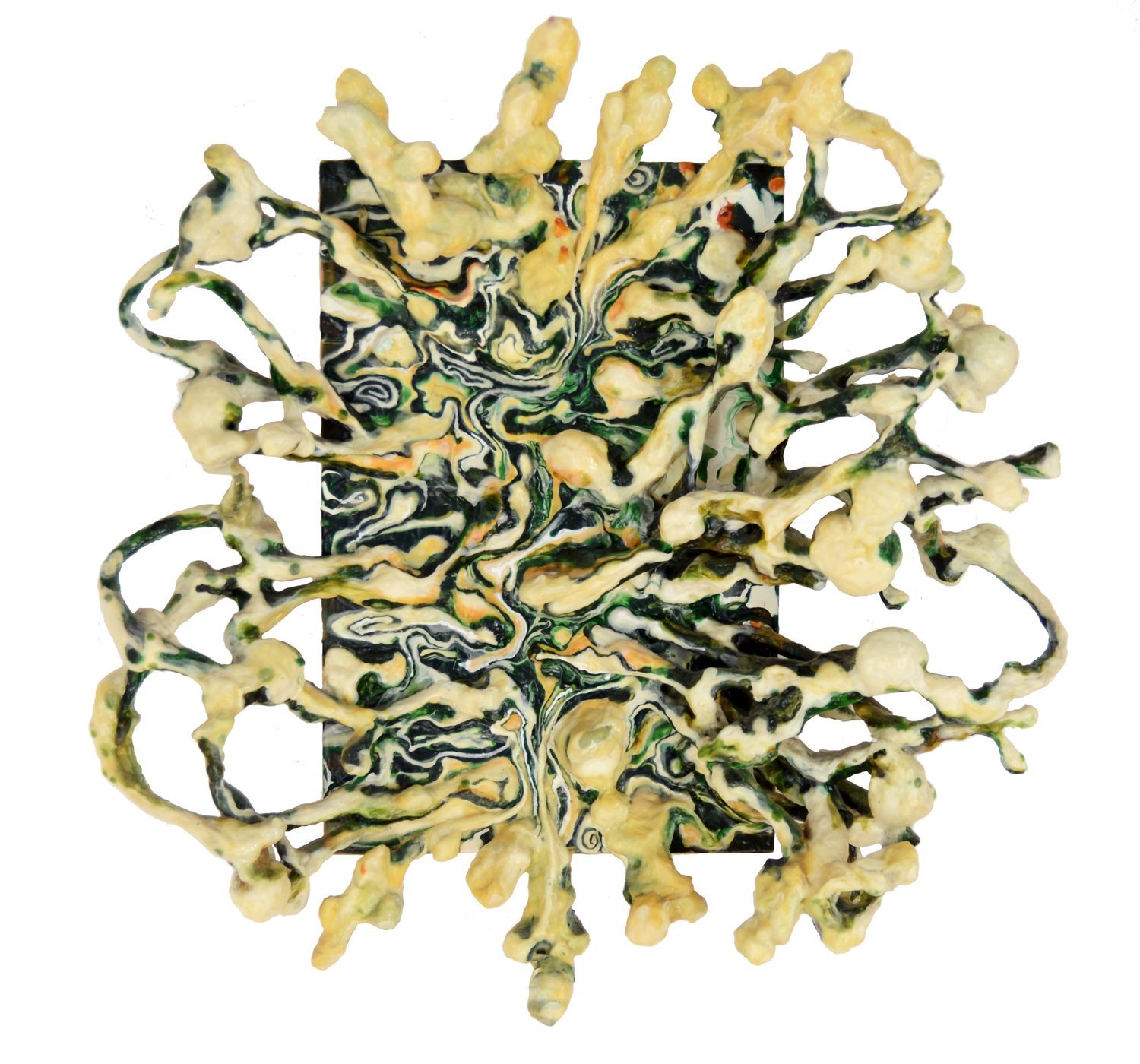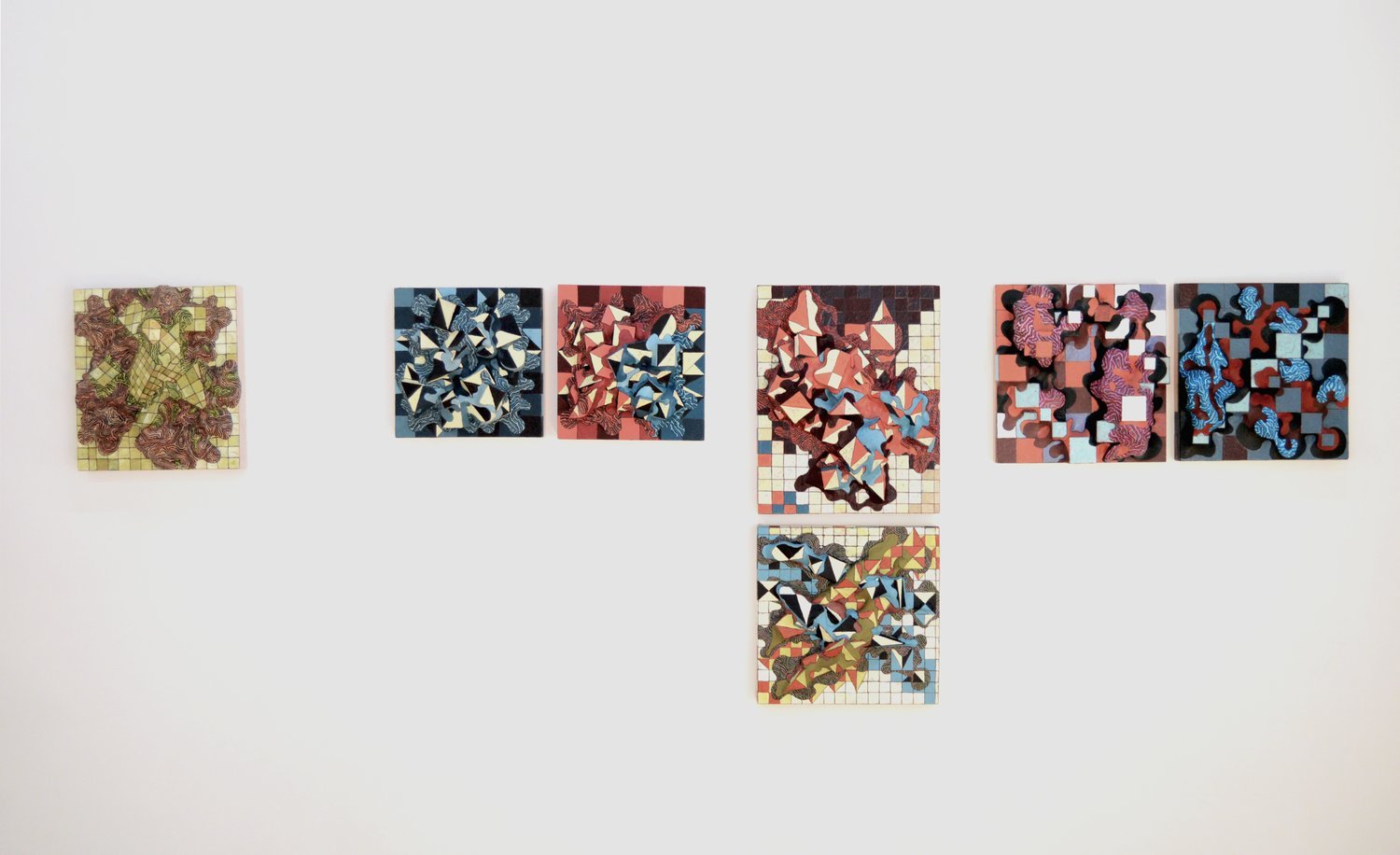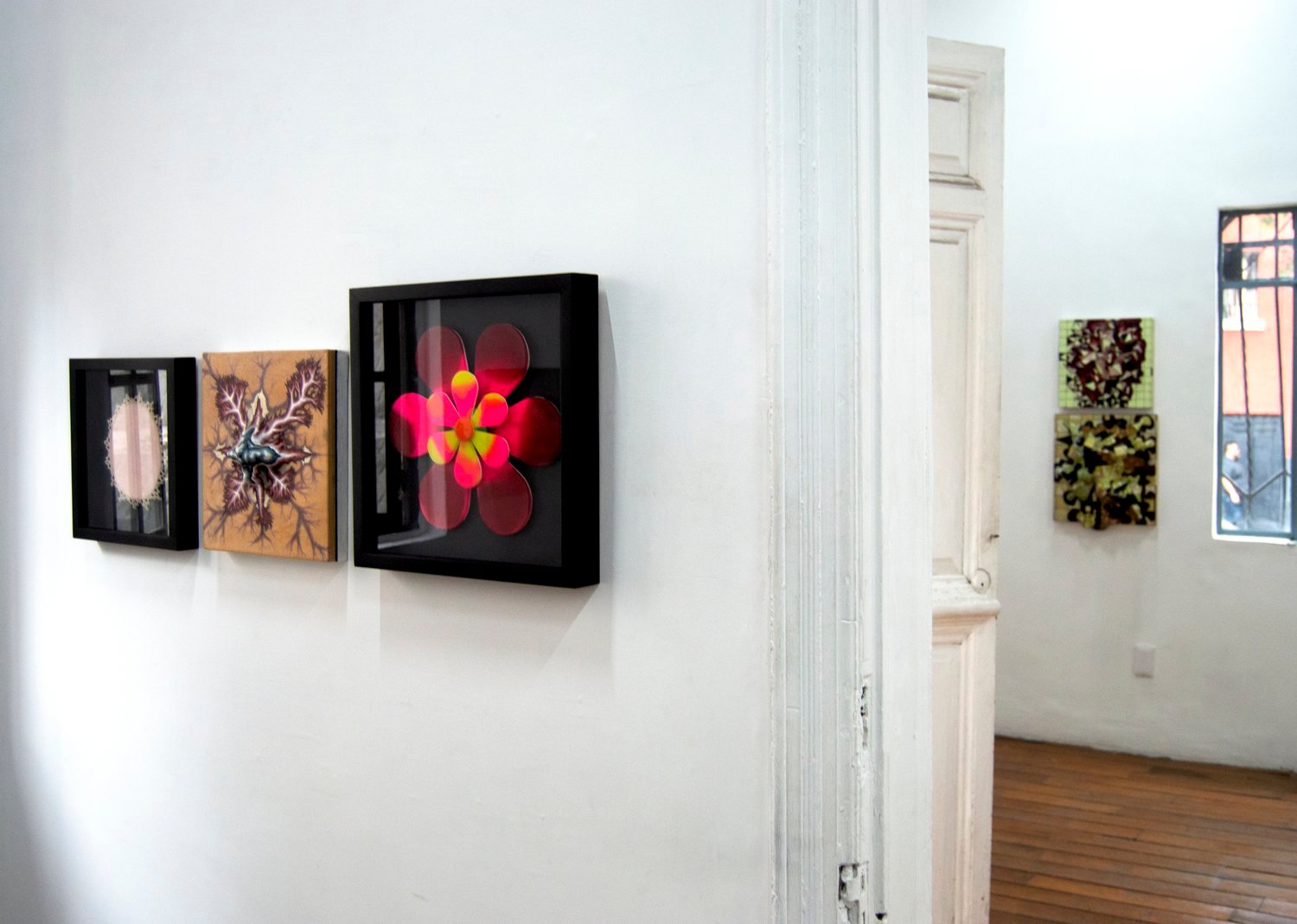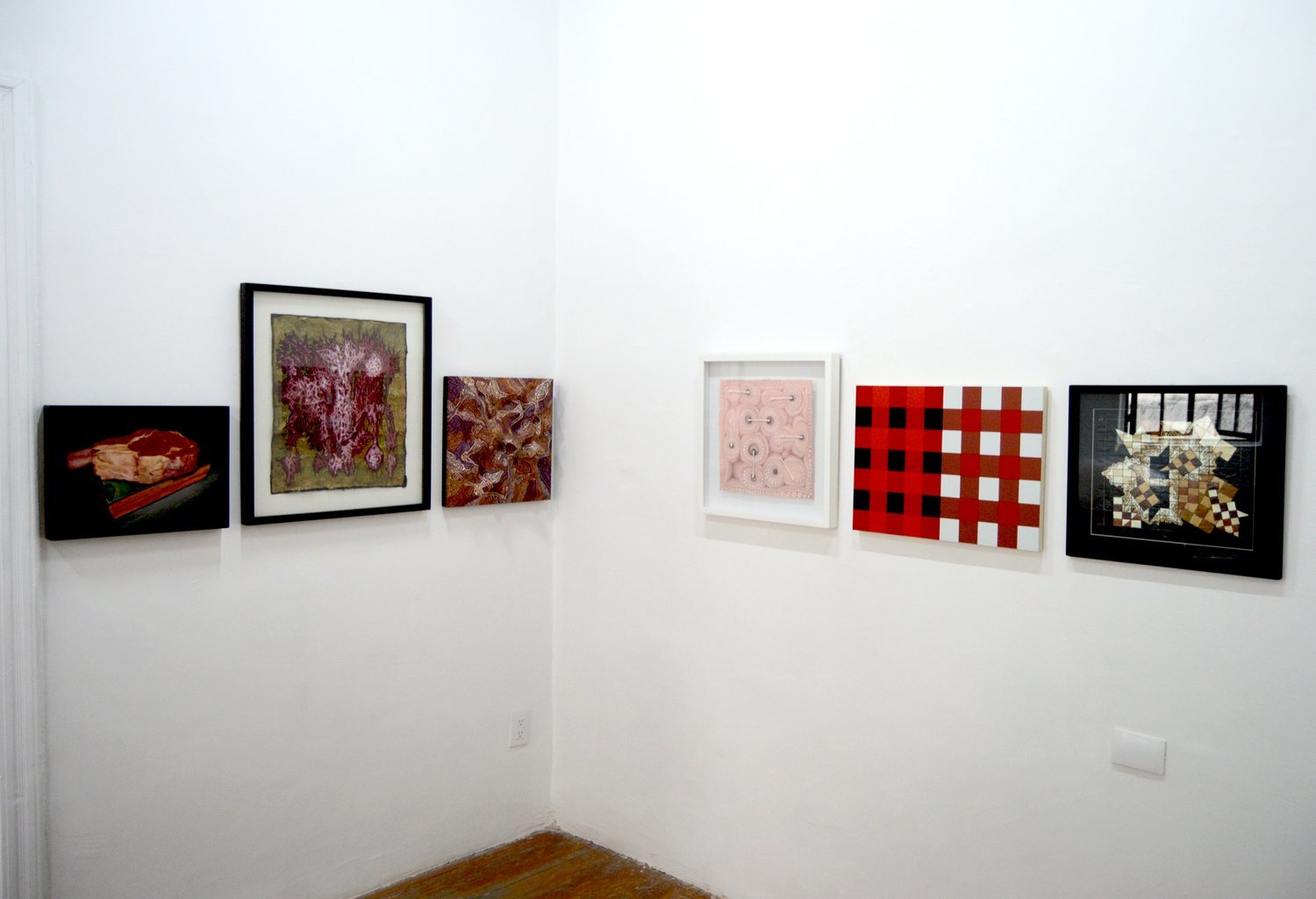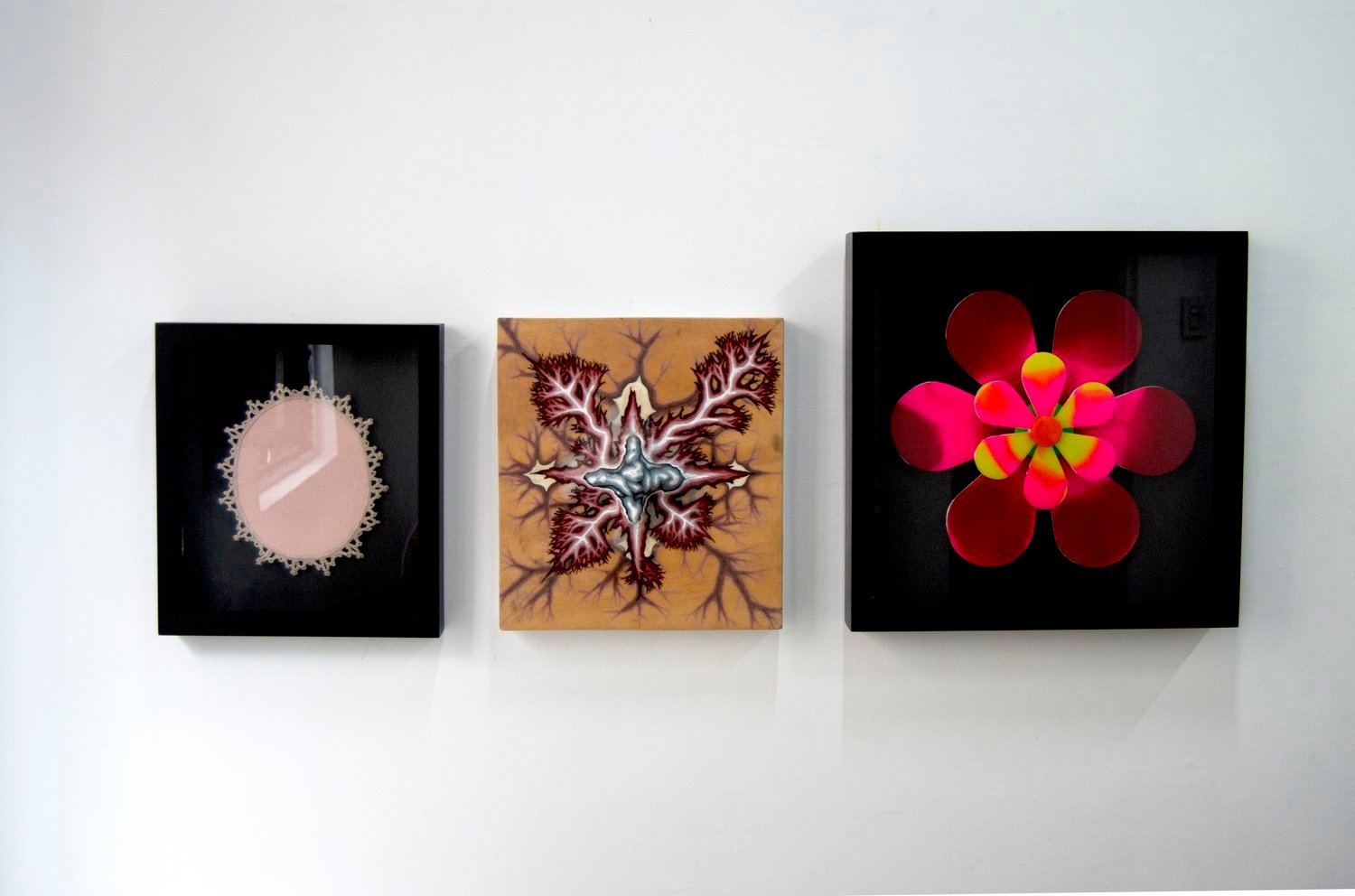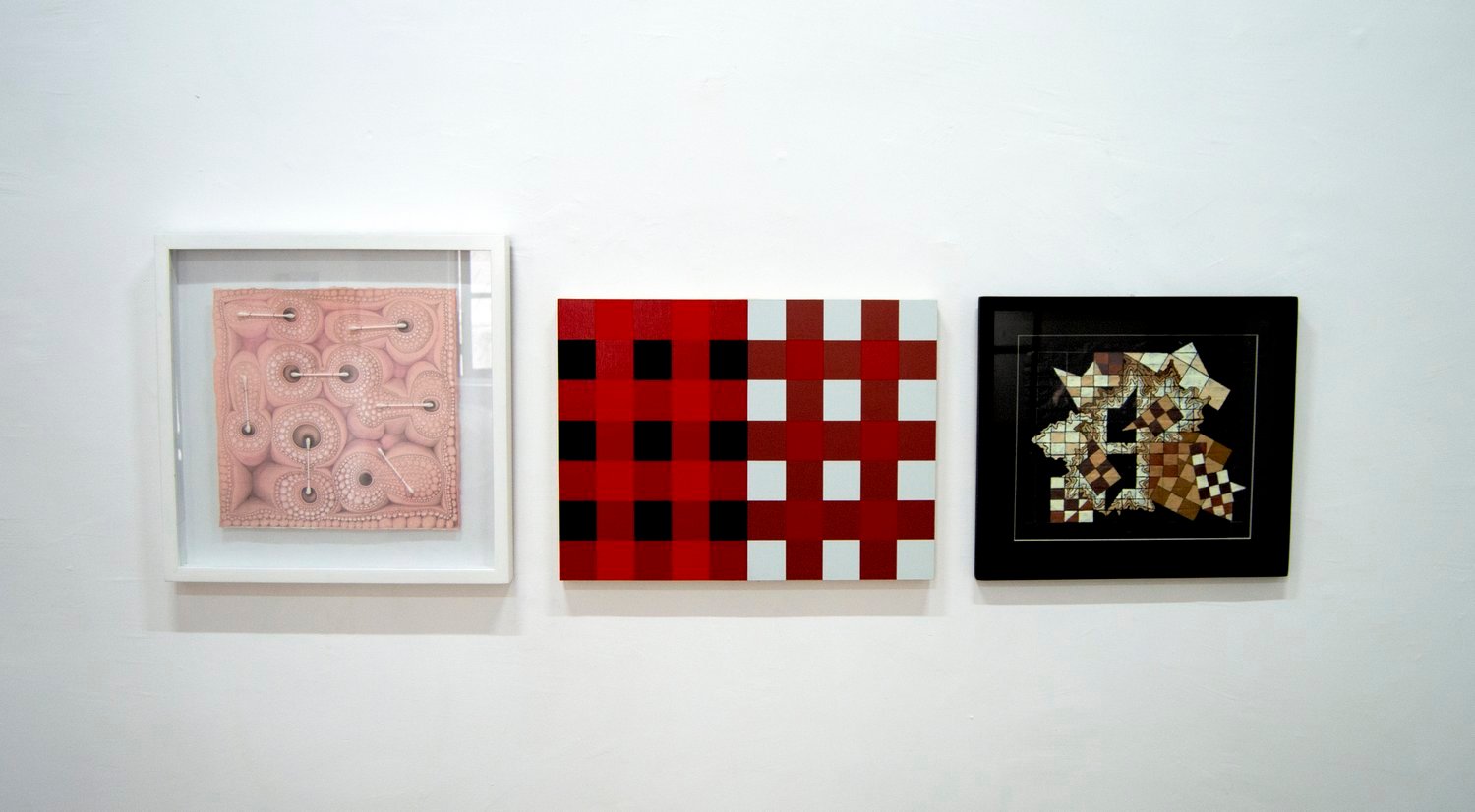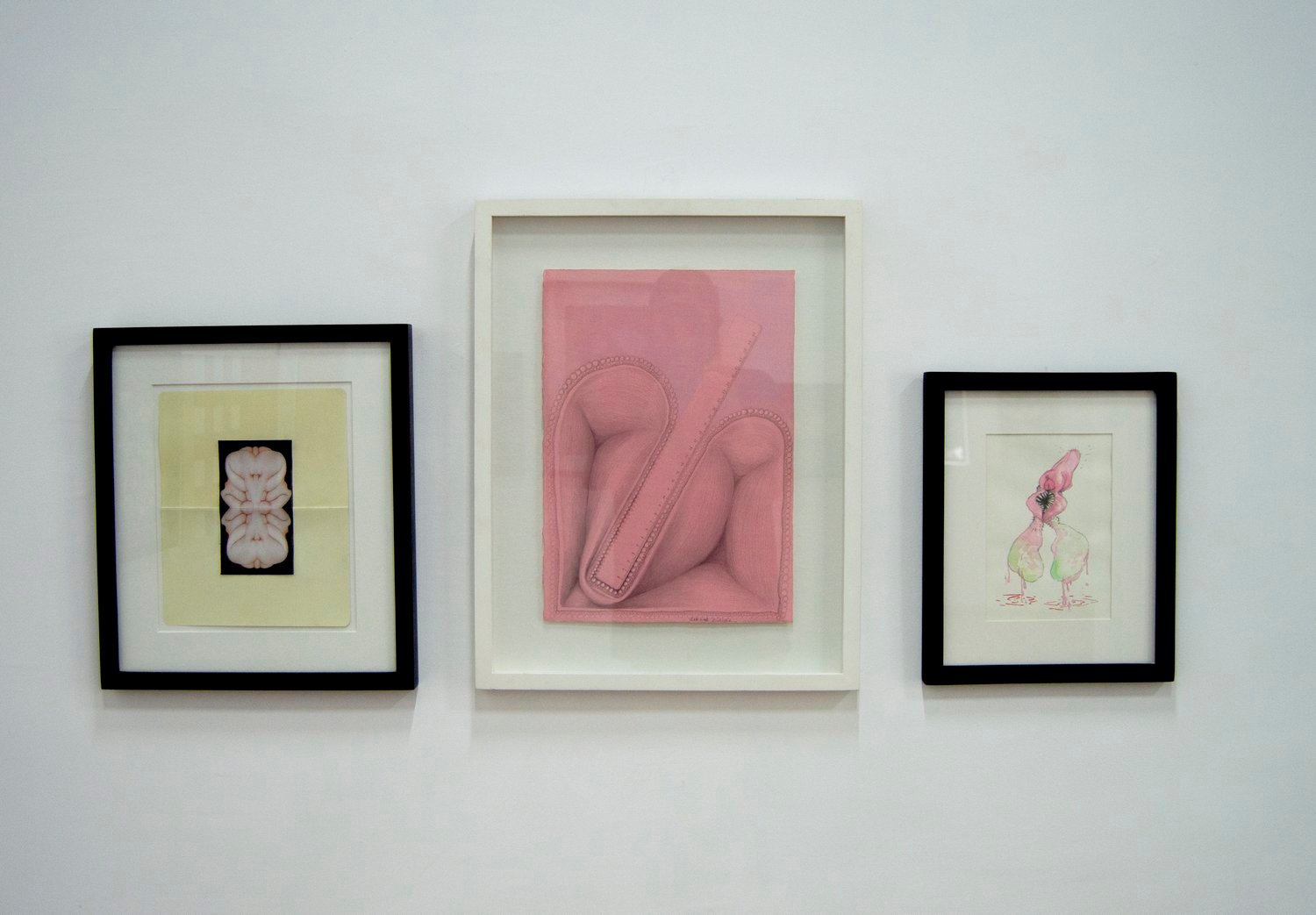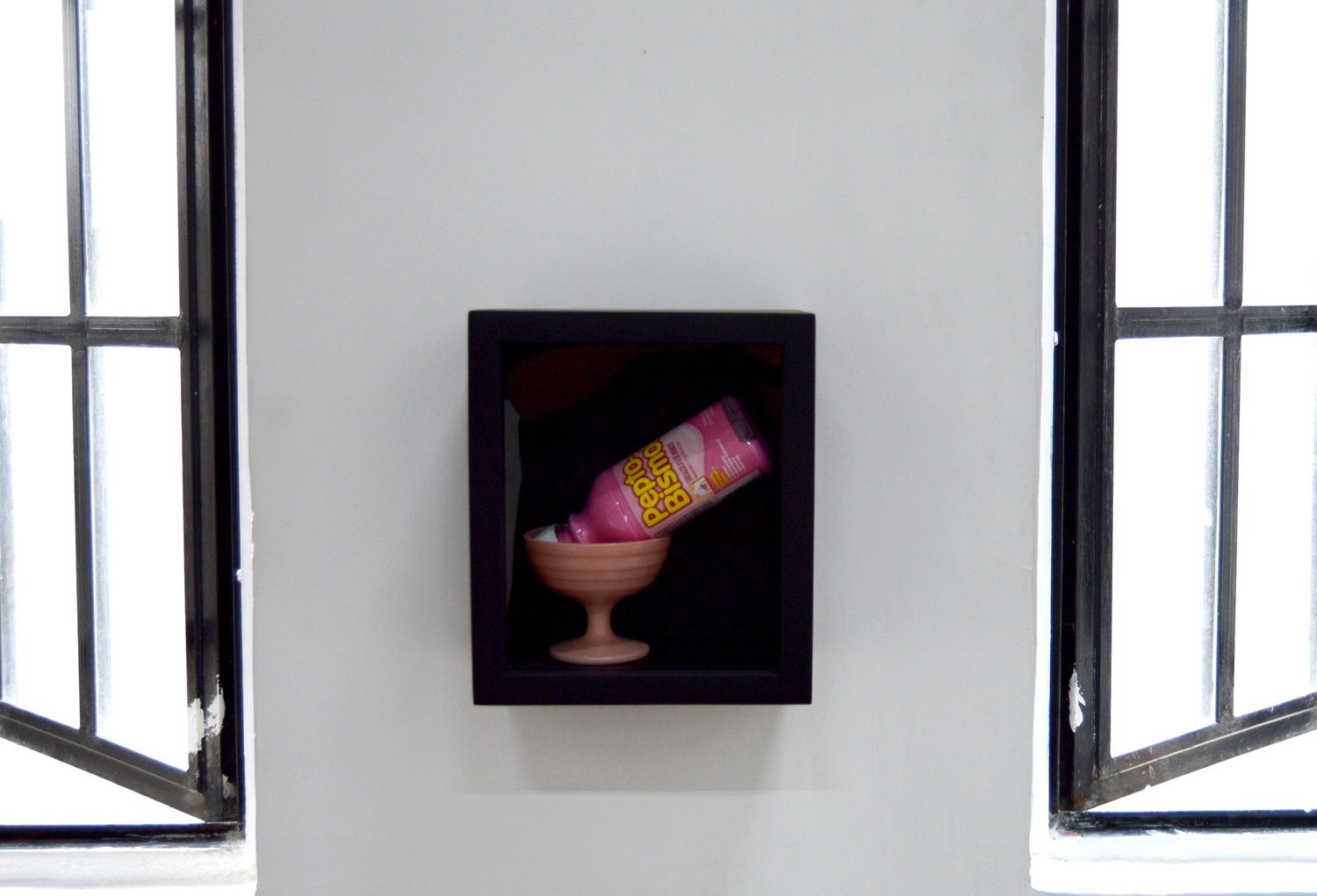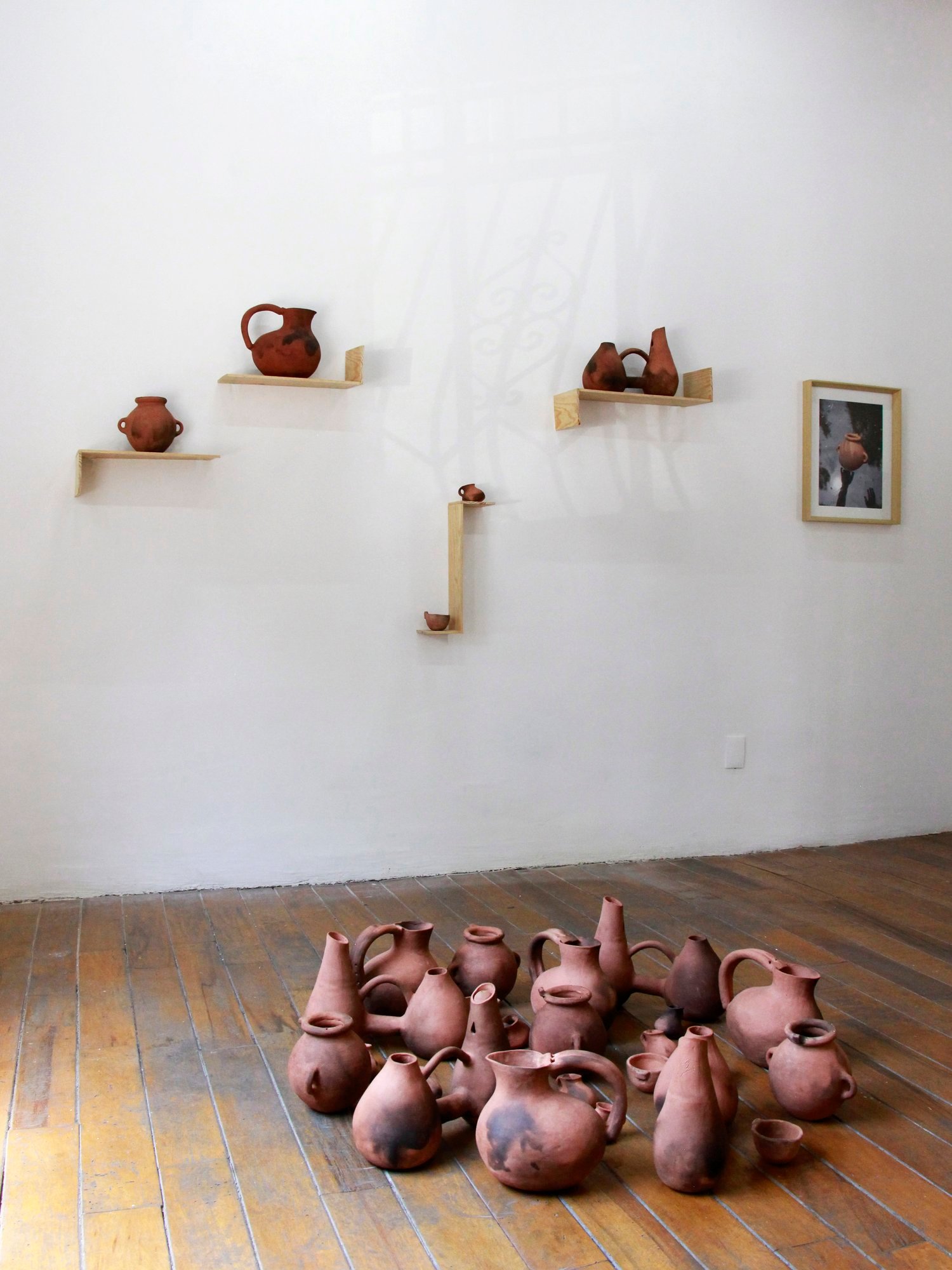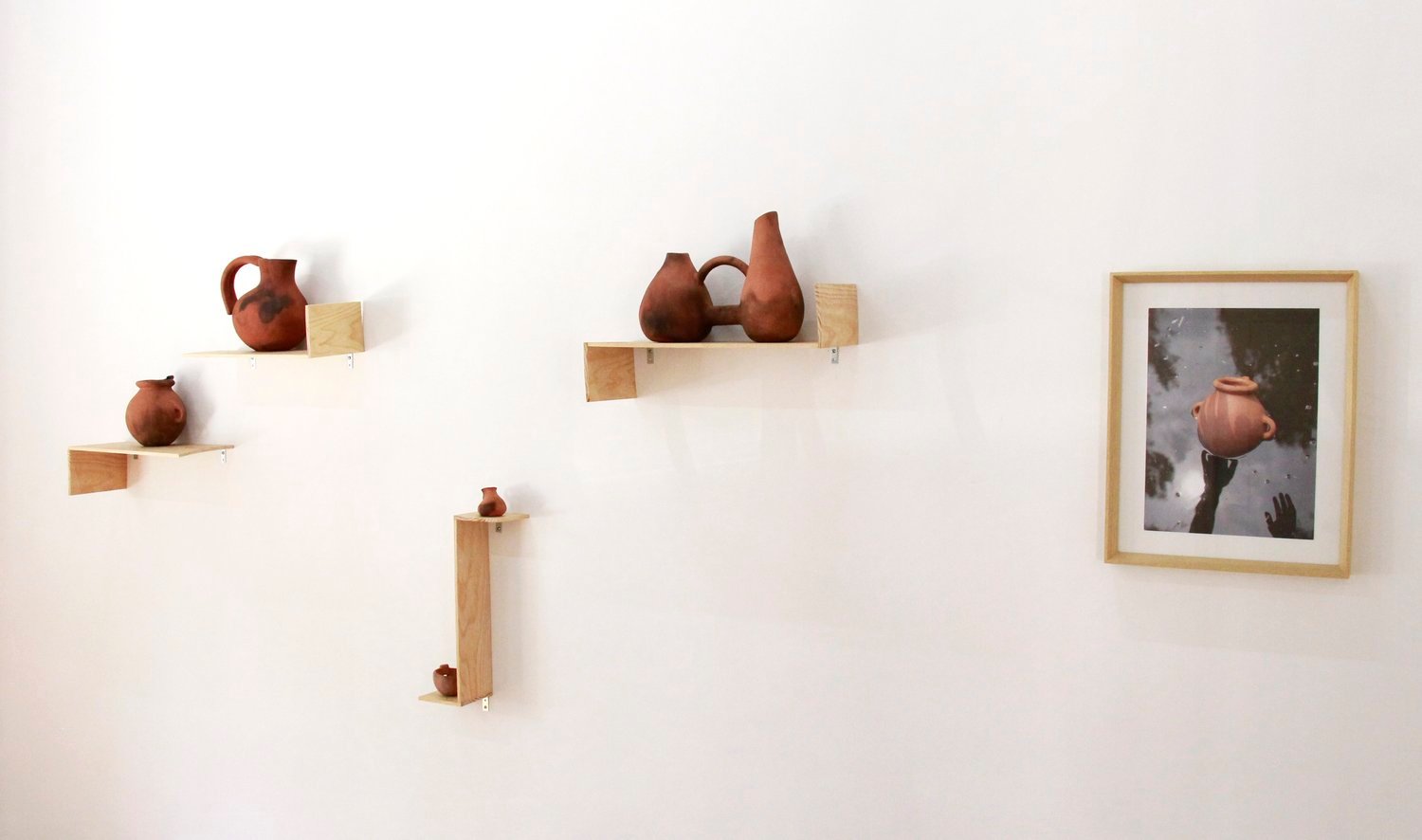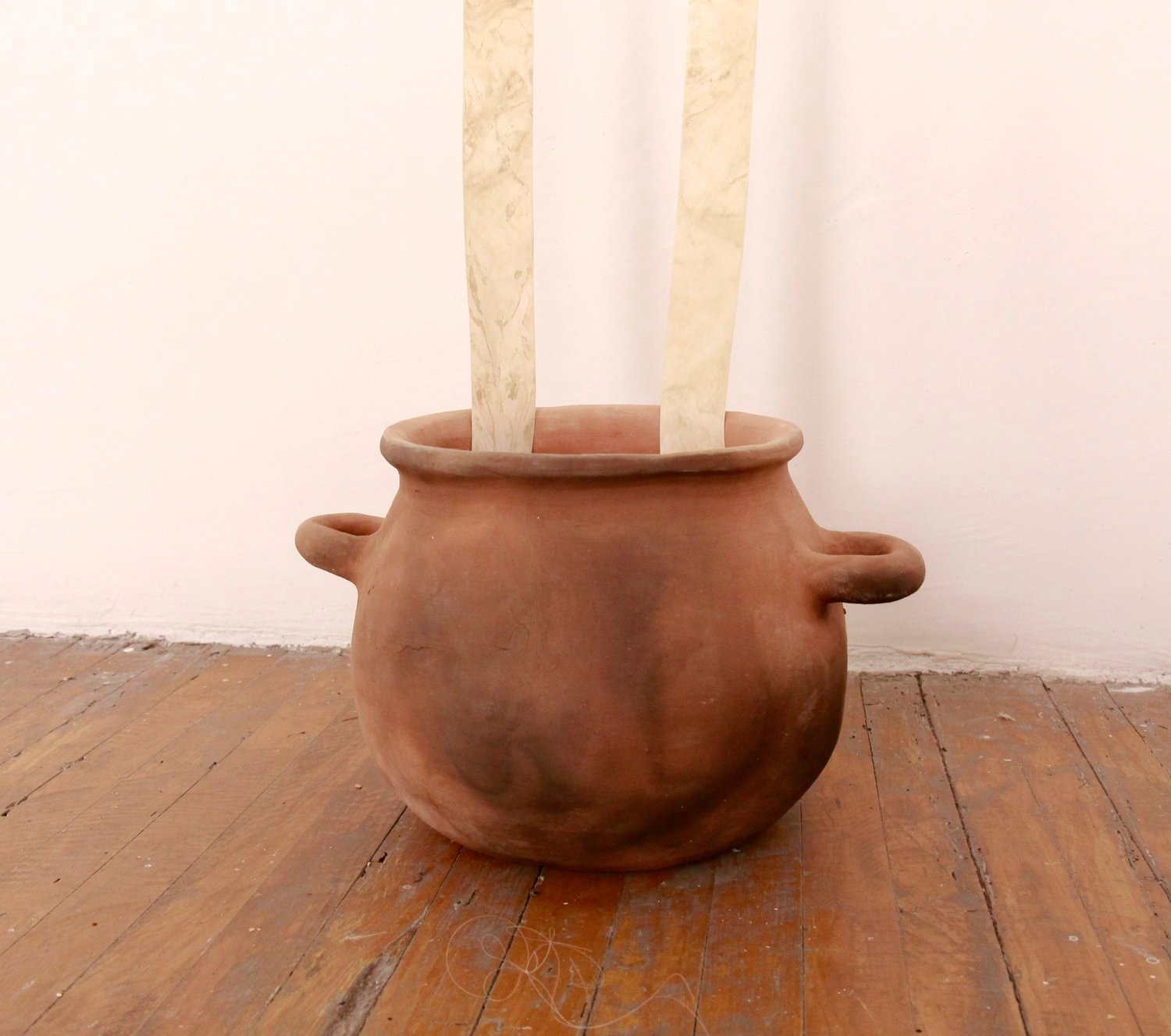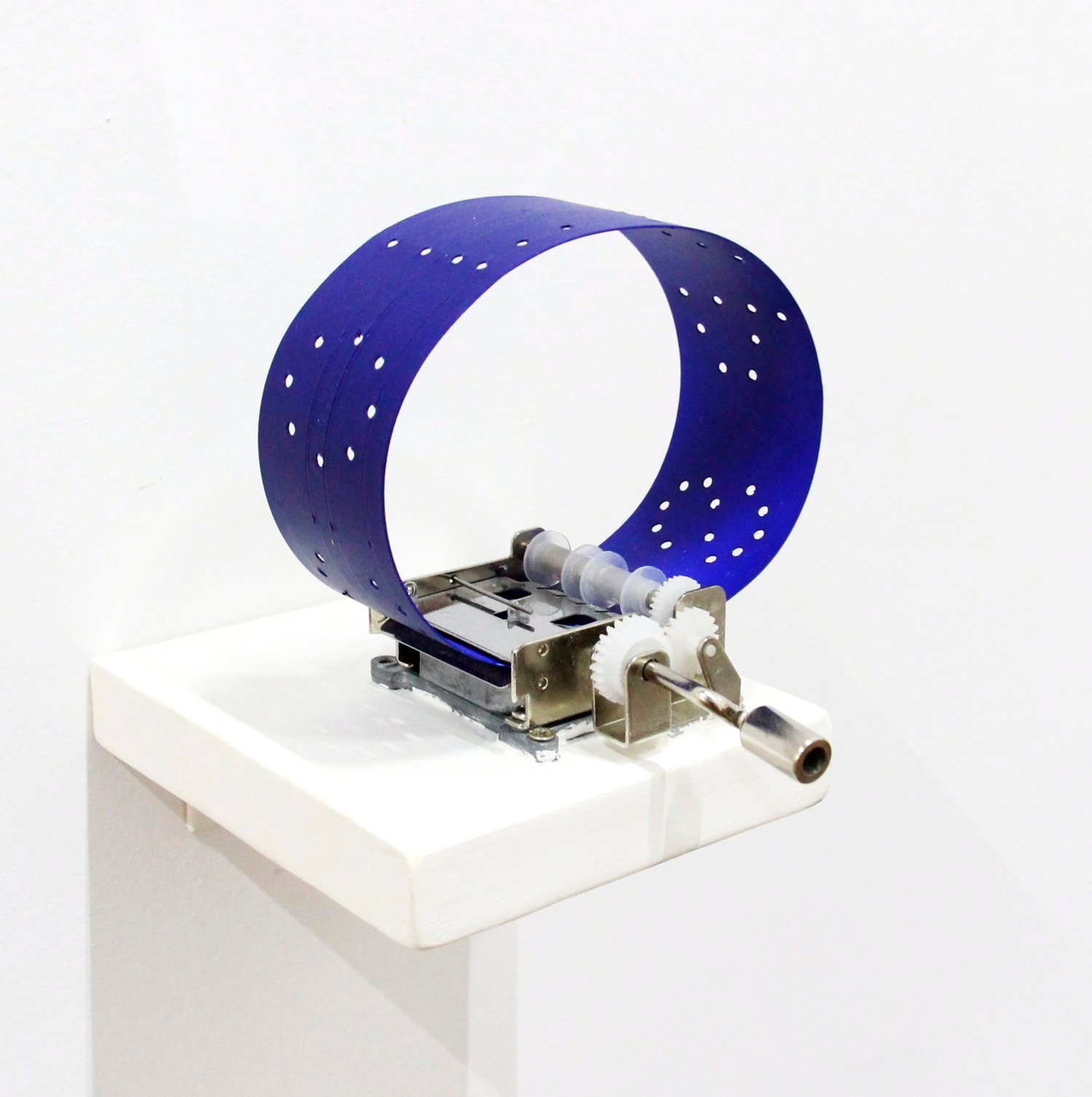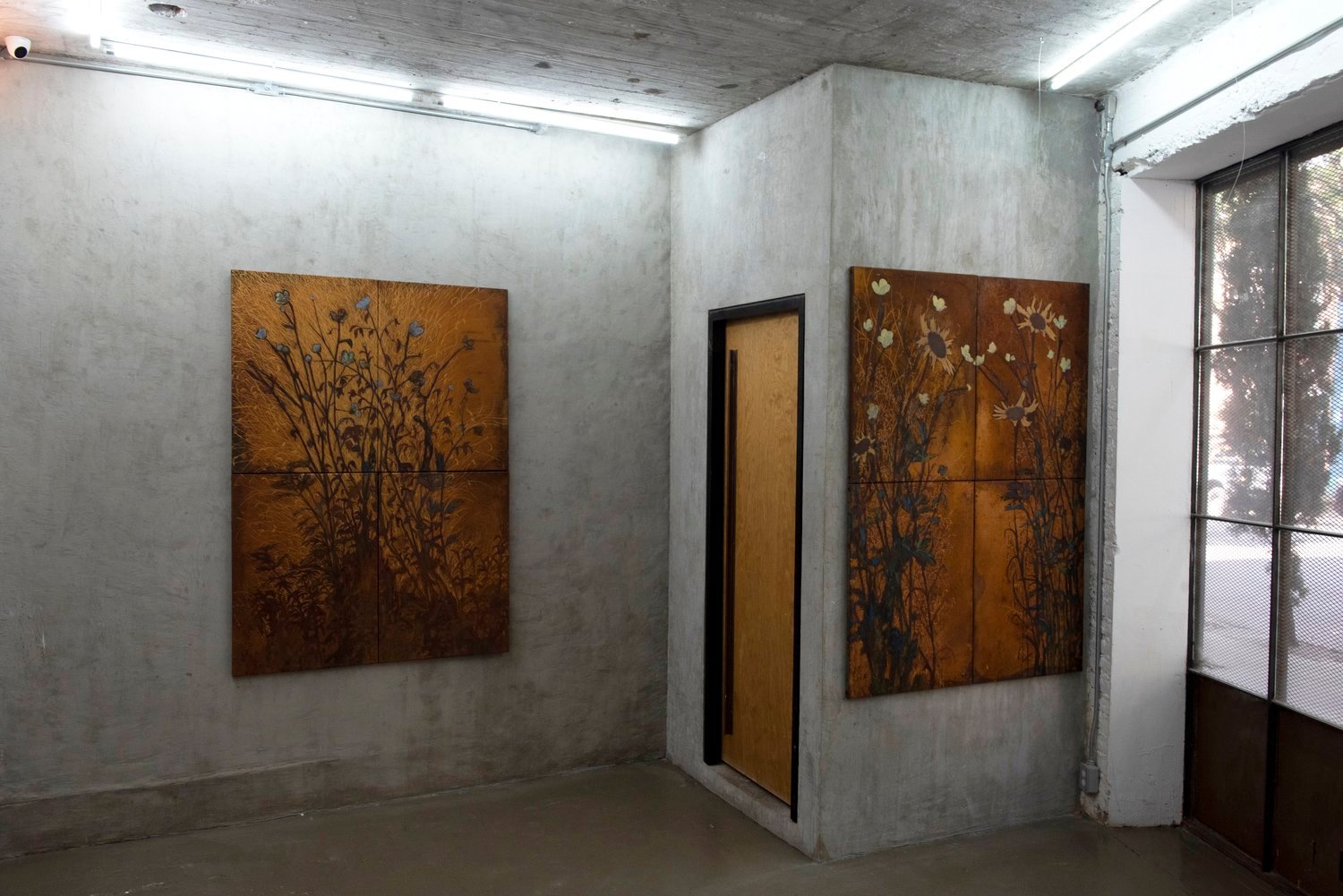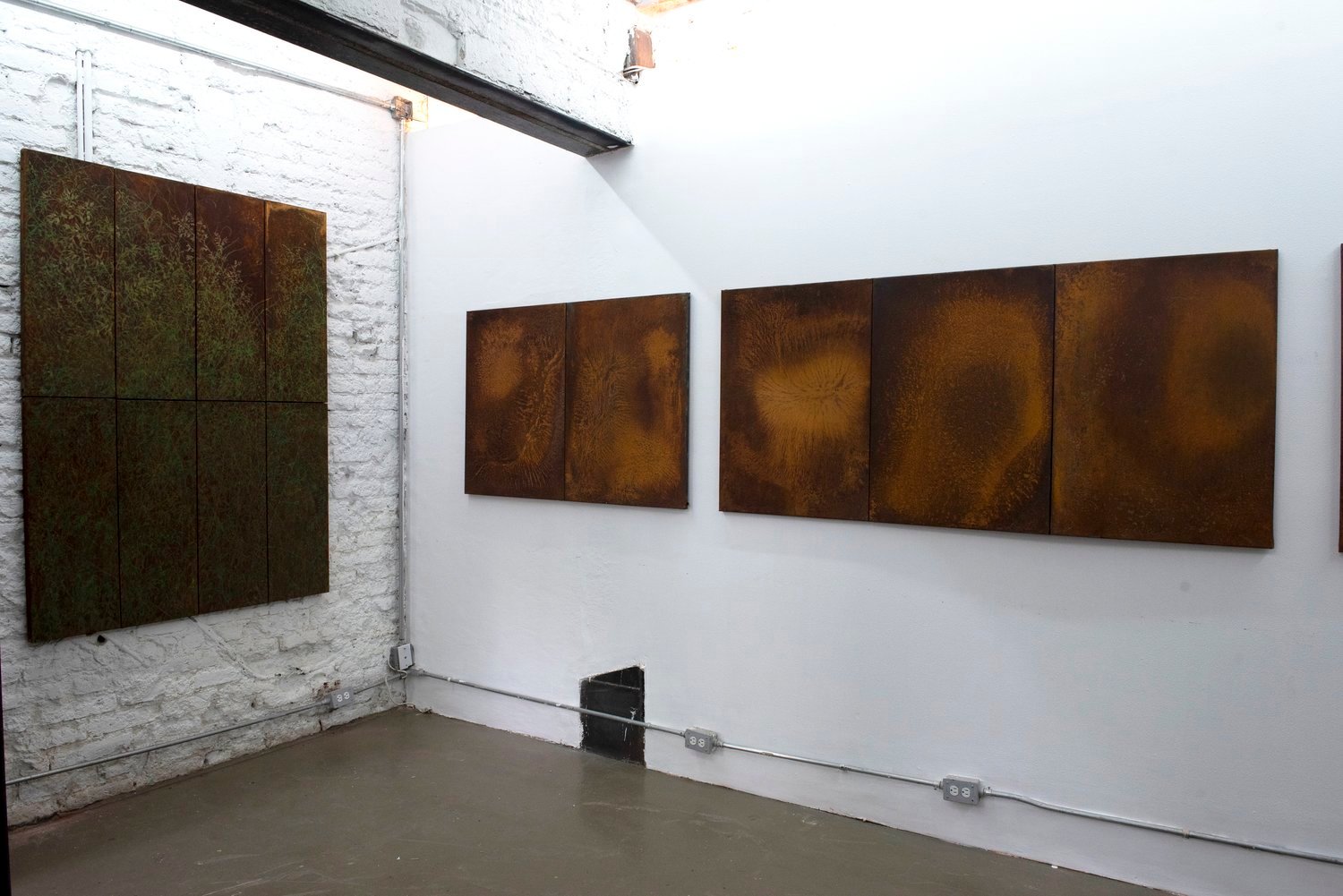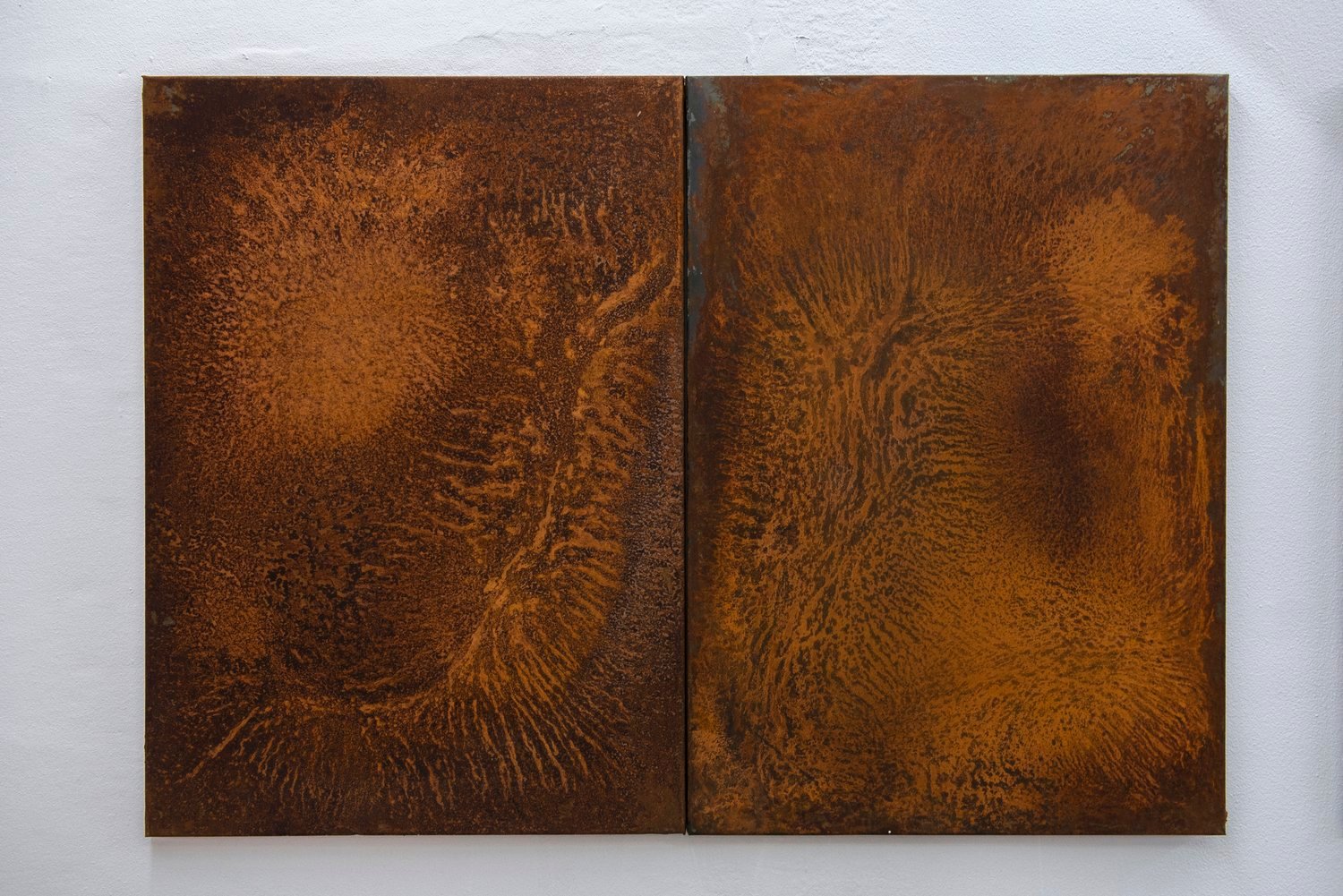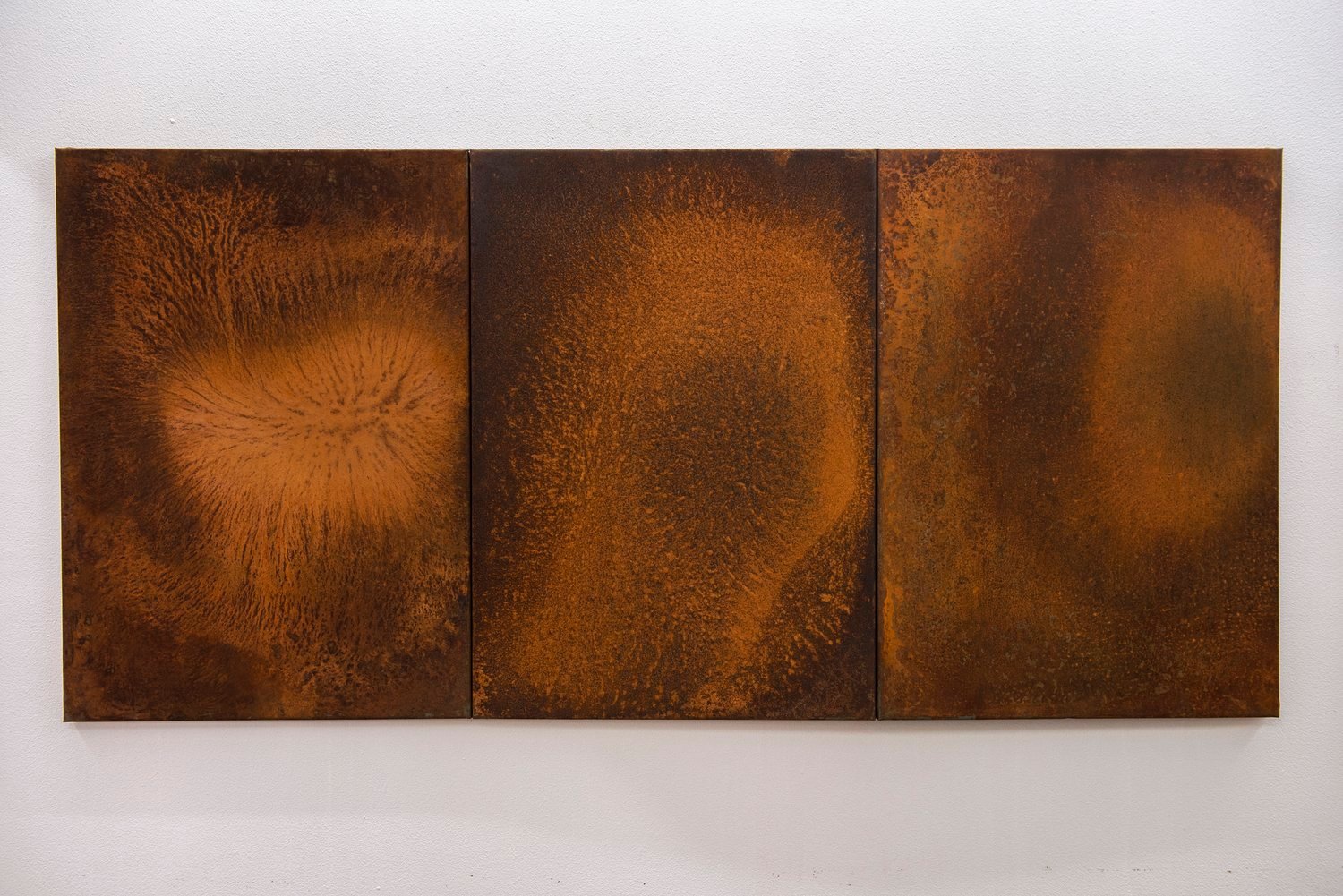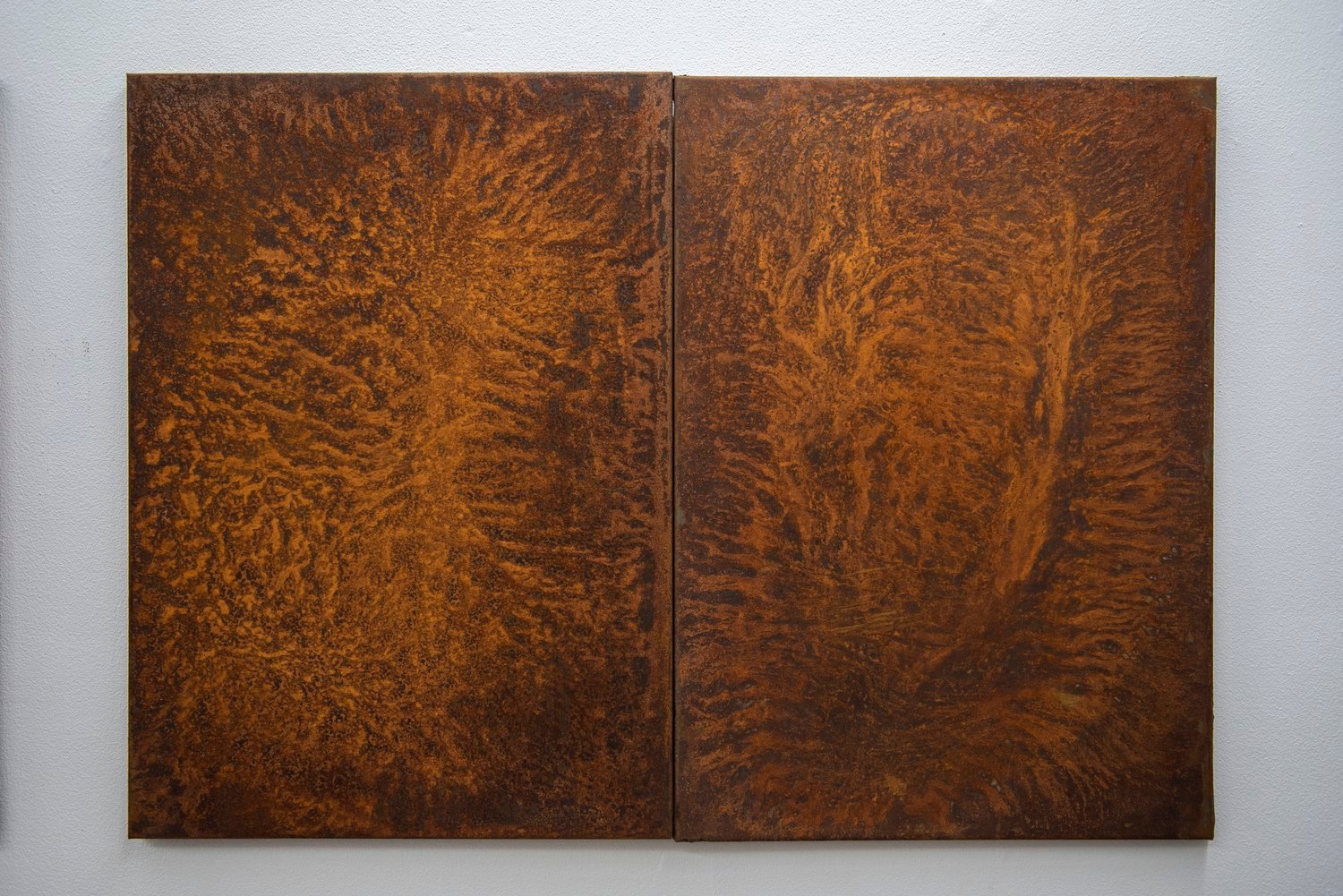
Gurrumatx en colaboración con Natalia Marmolejo
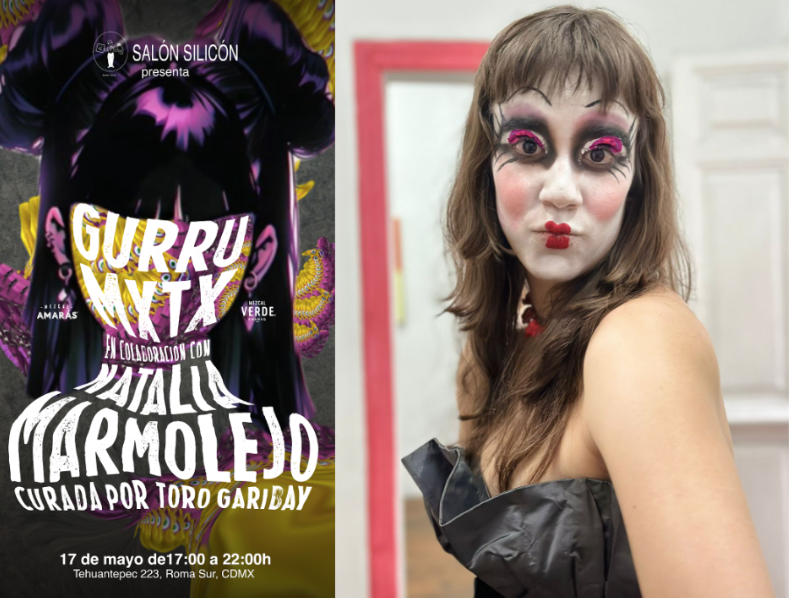
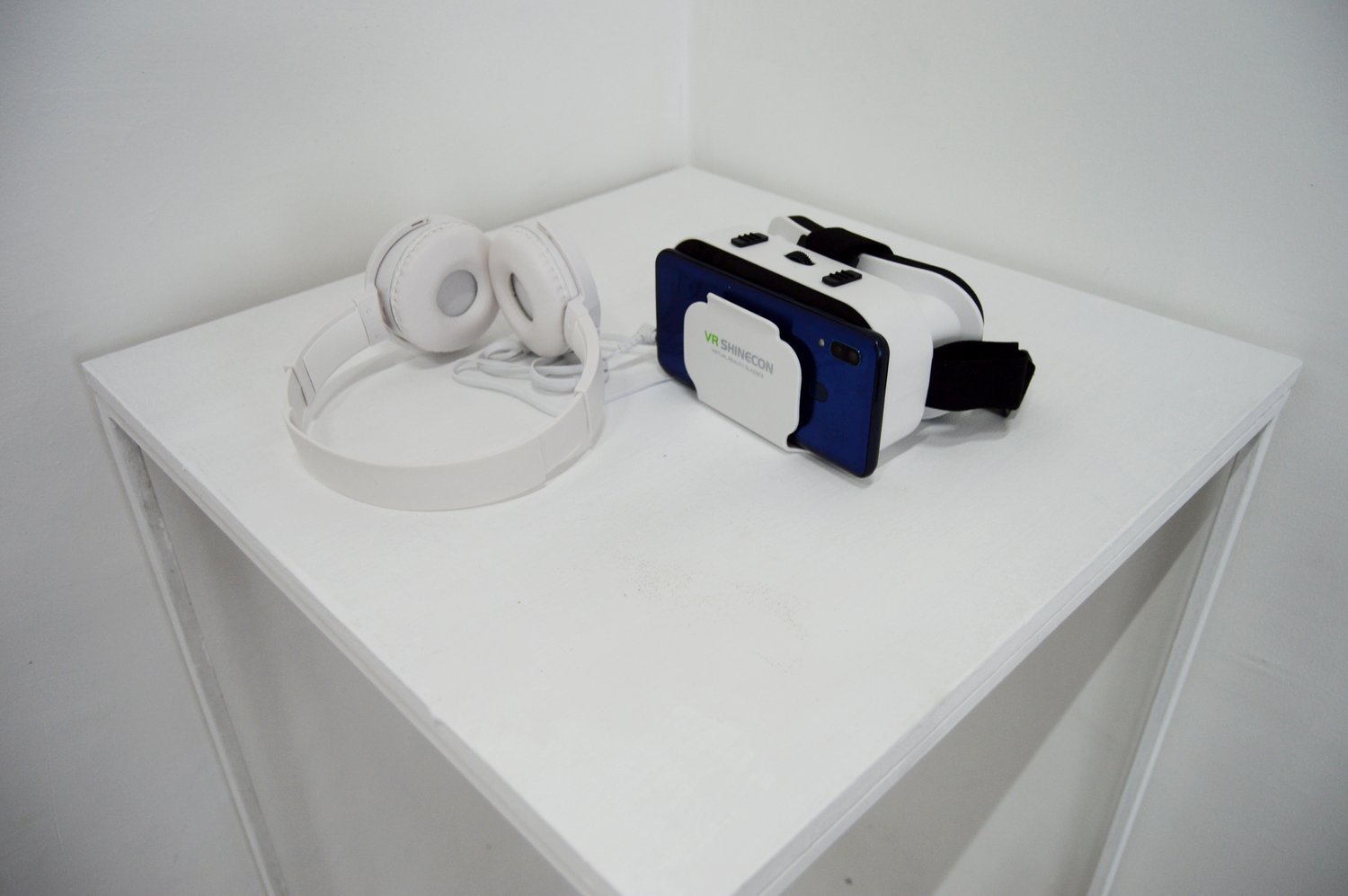
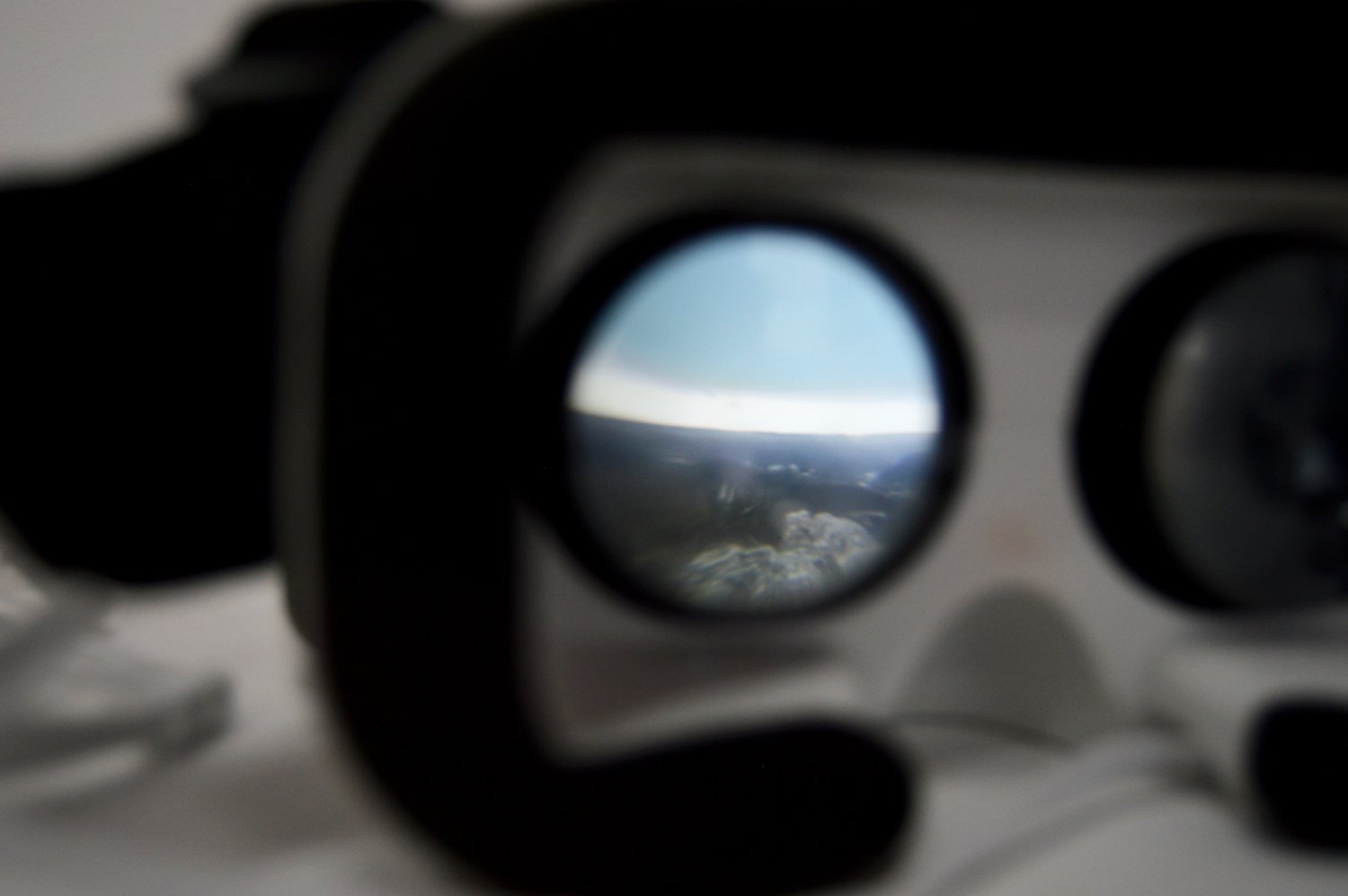
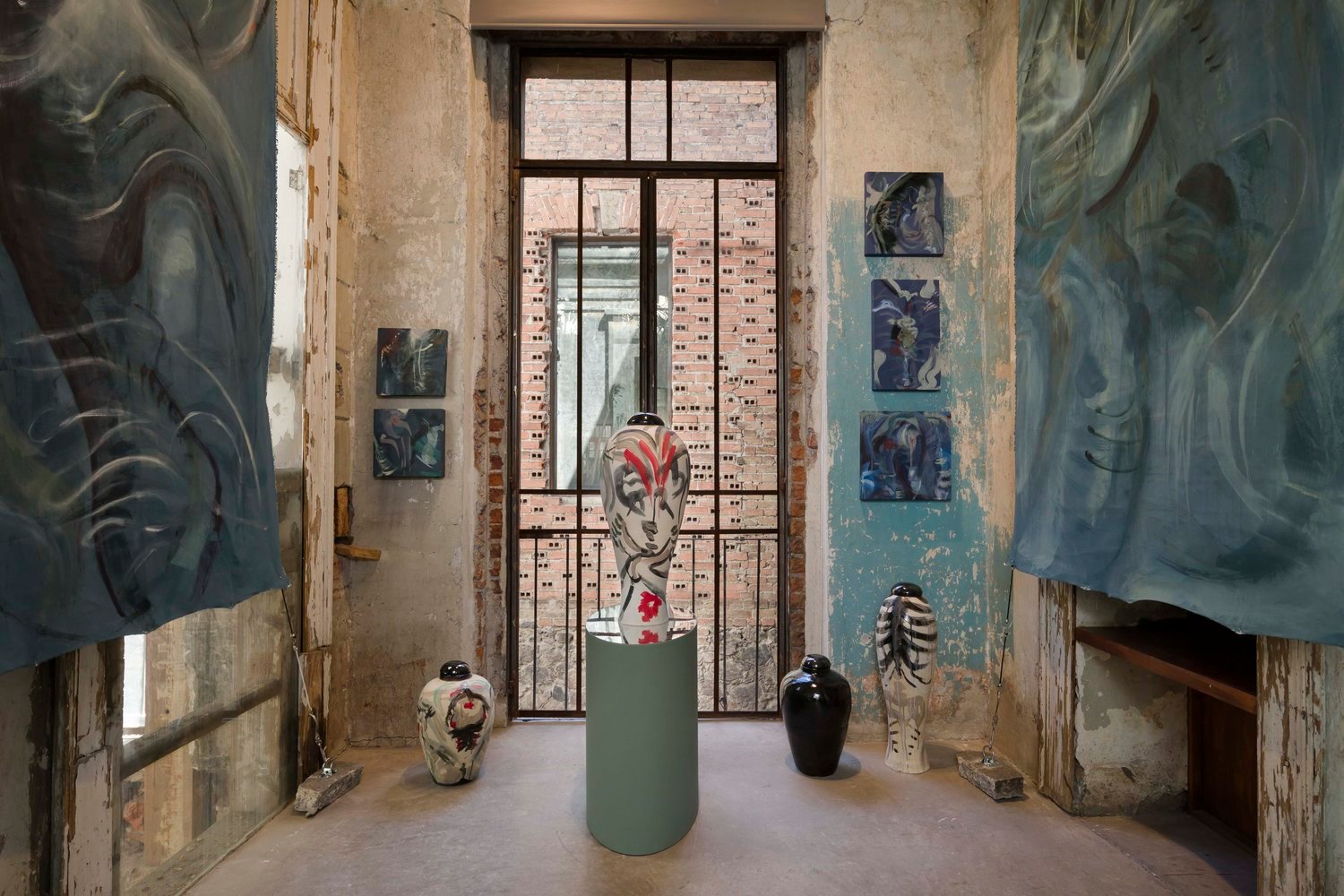
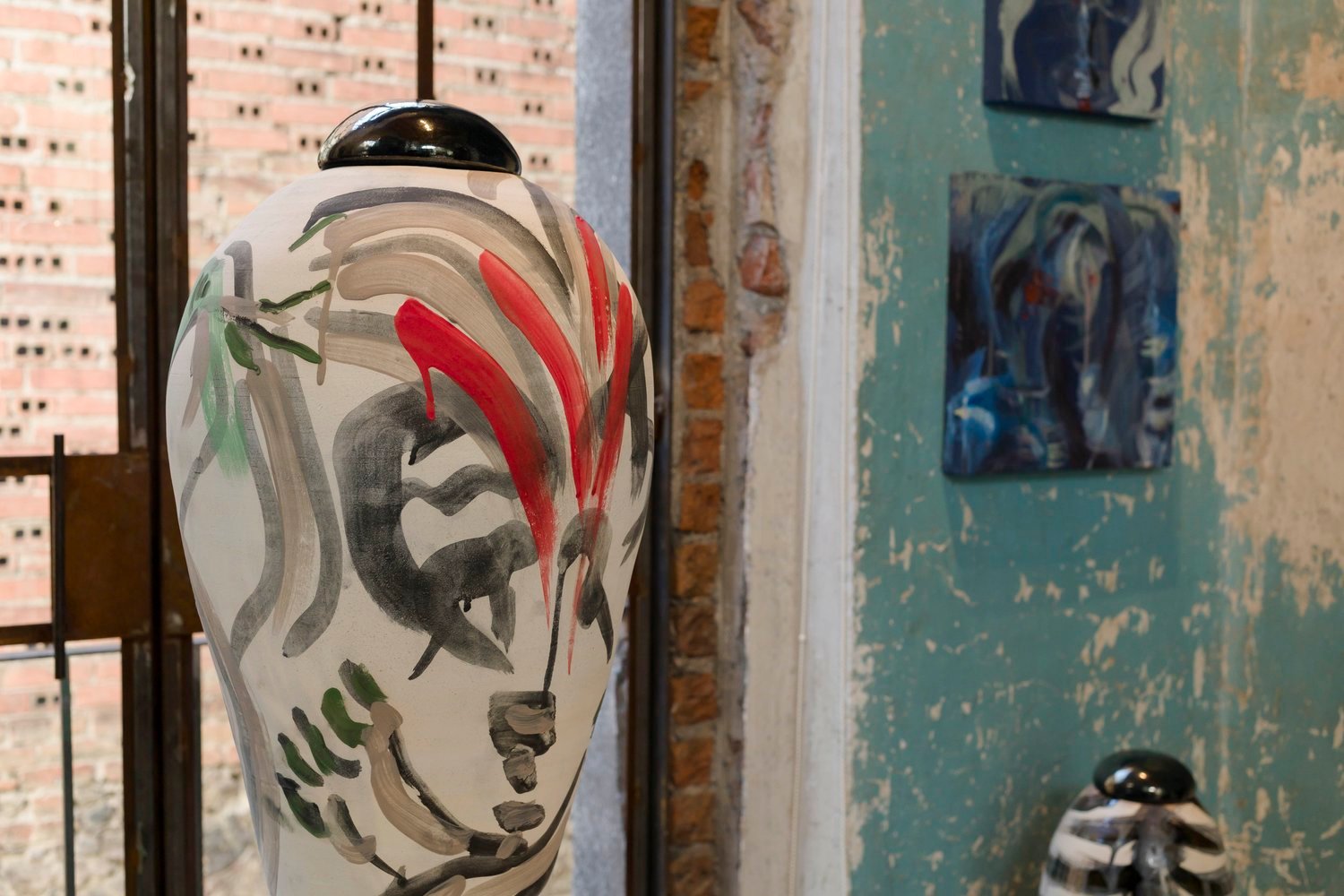
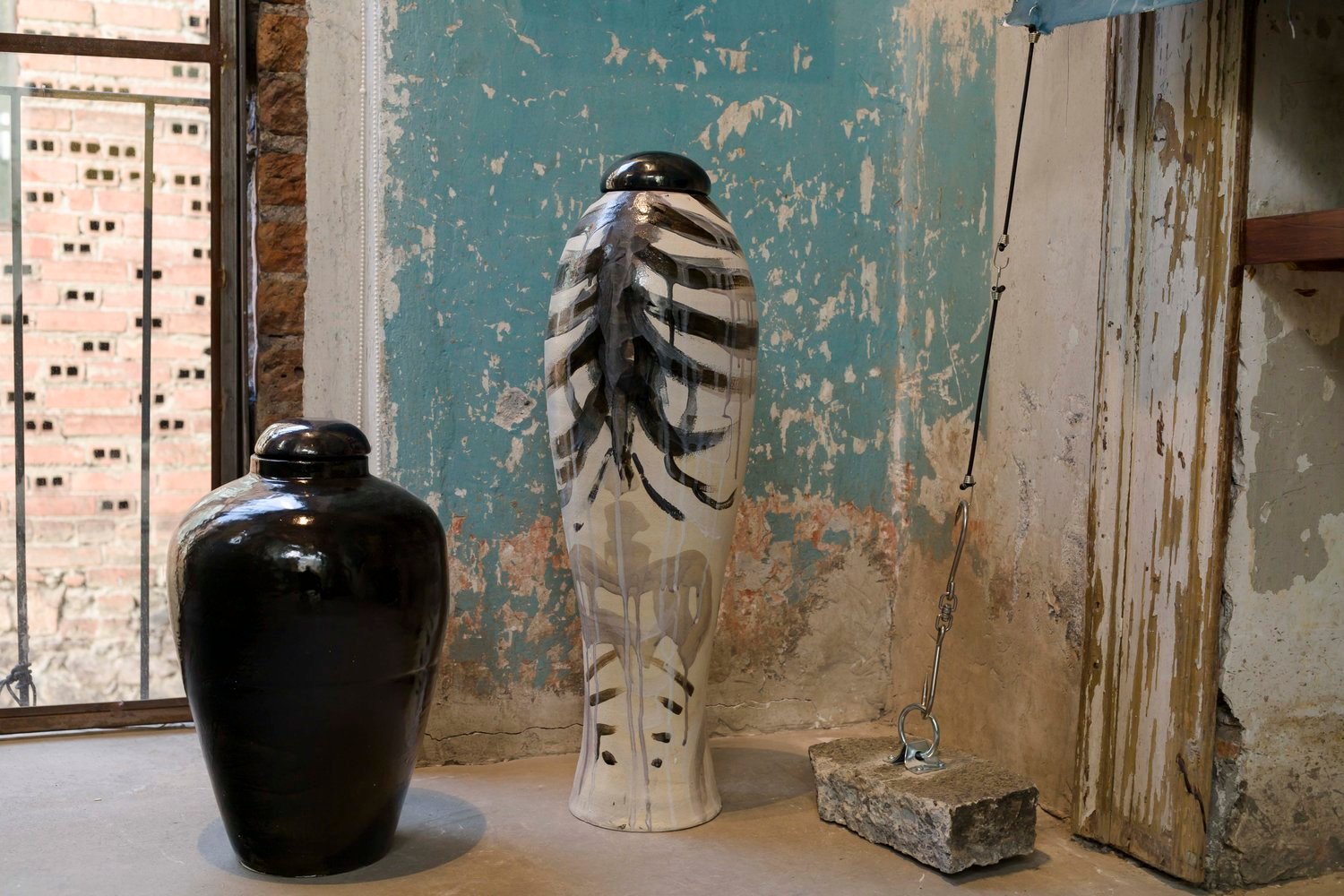
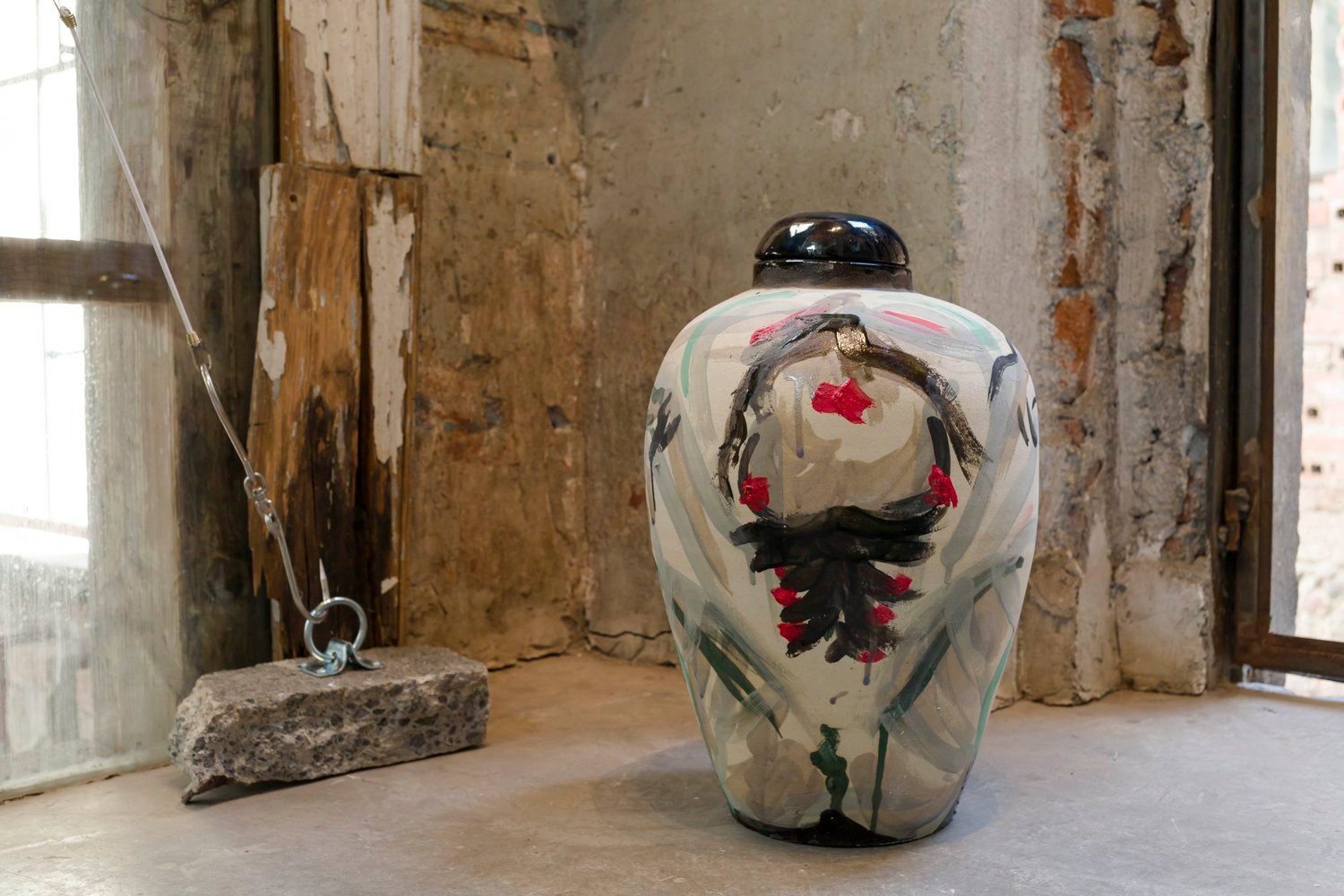
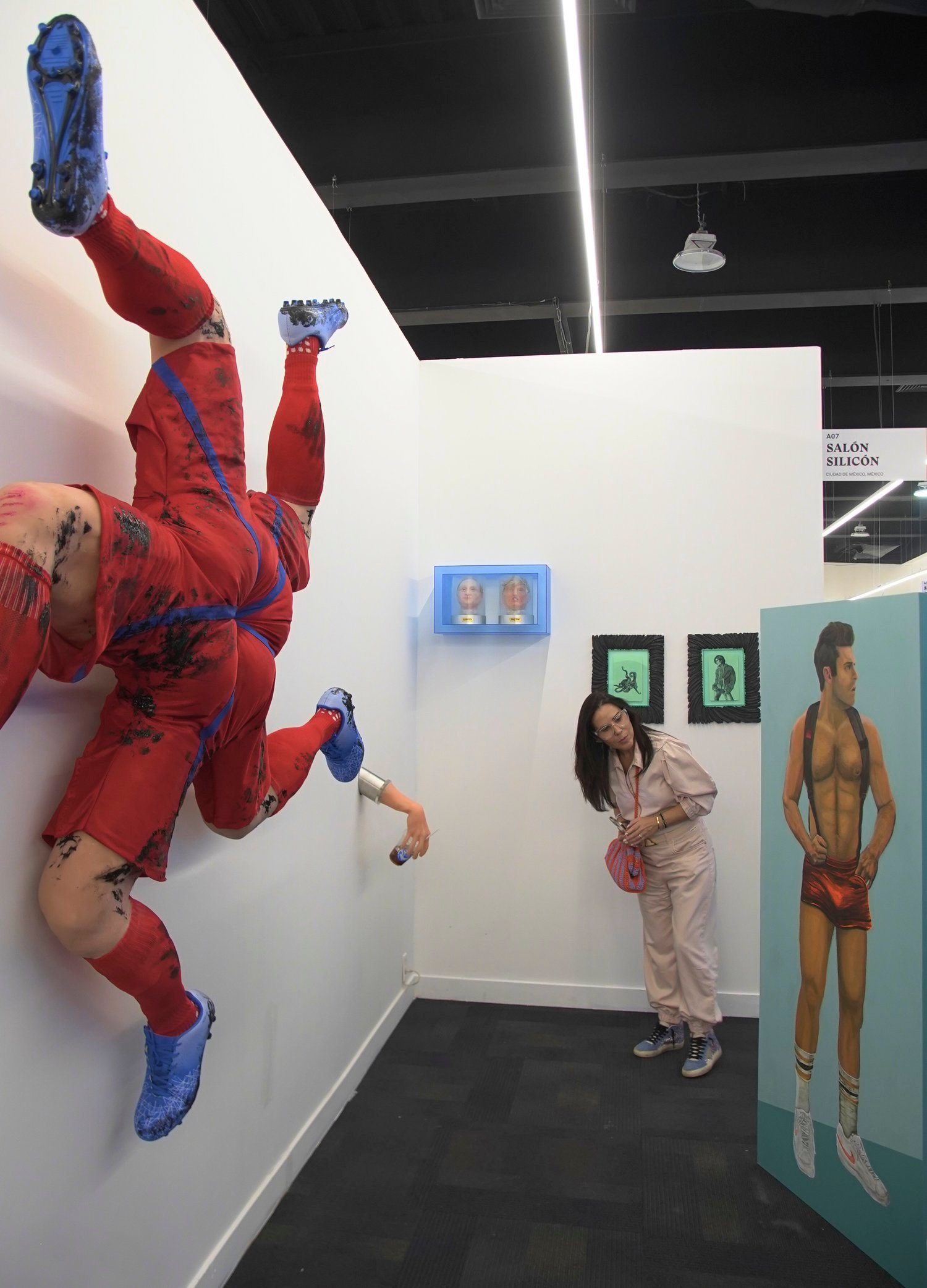
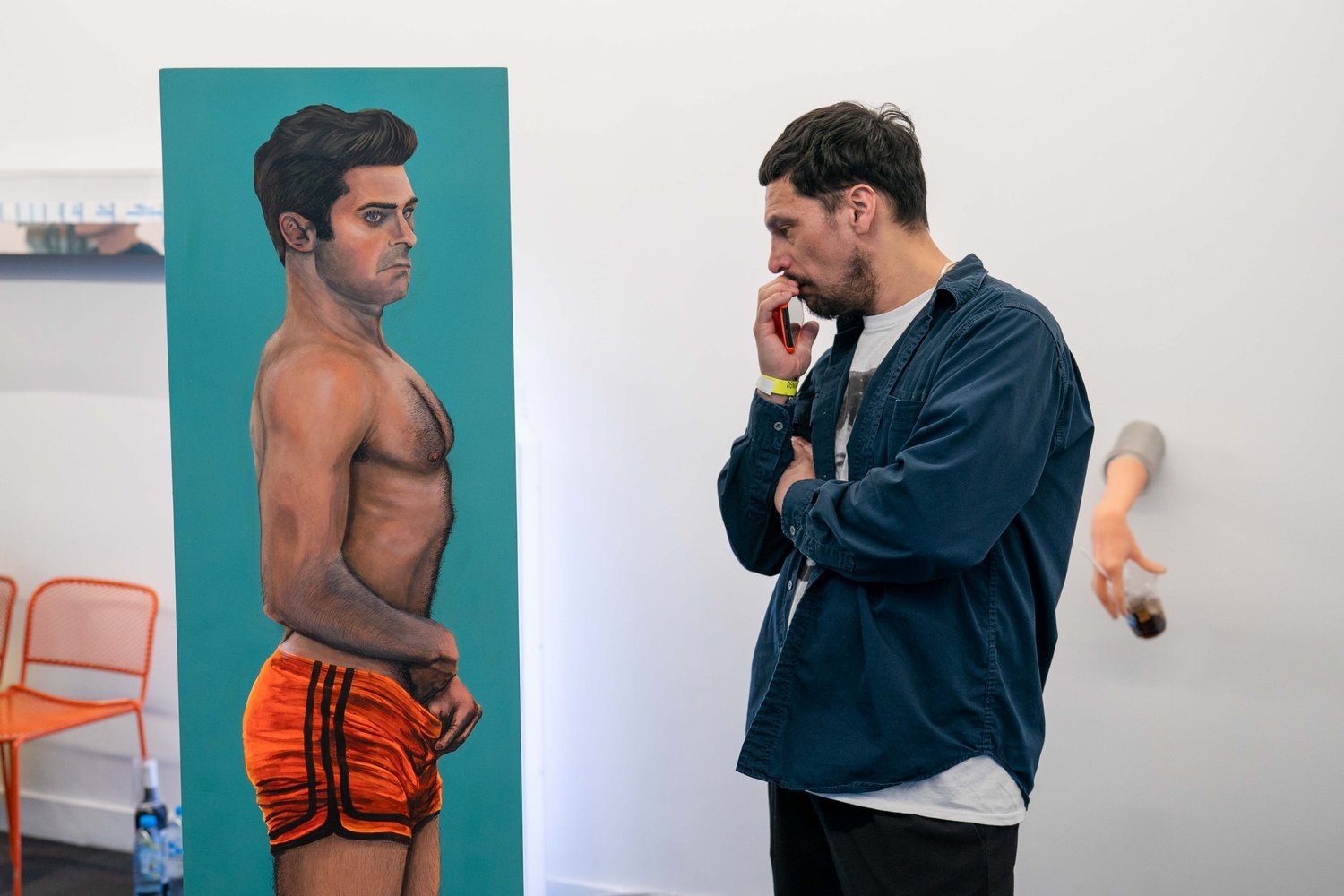
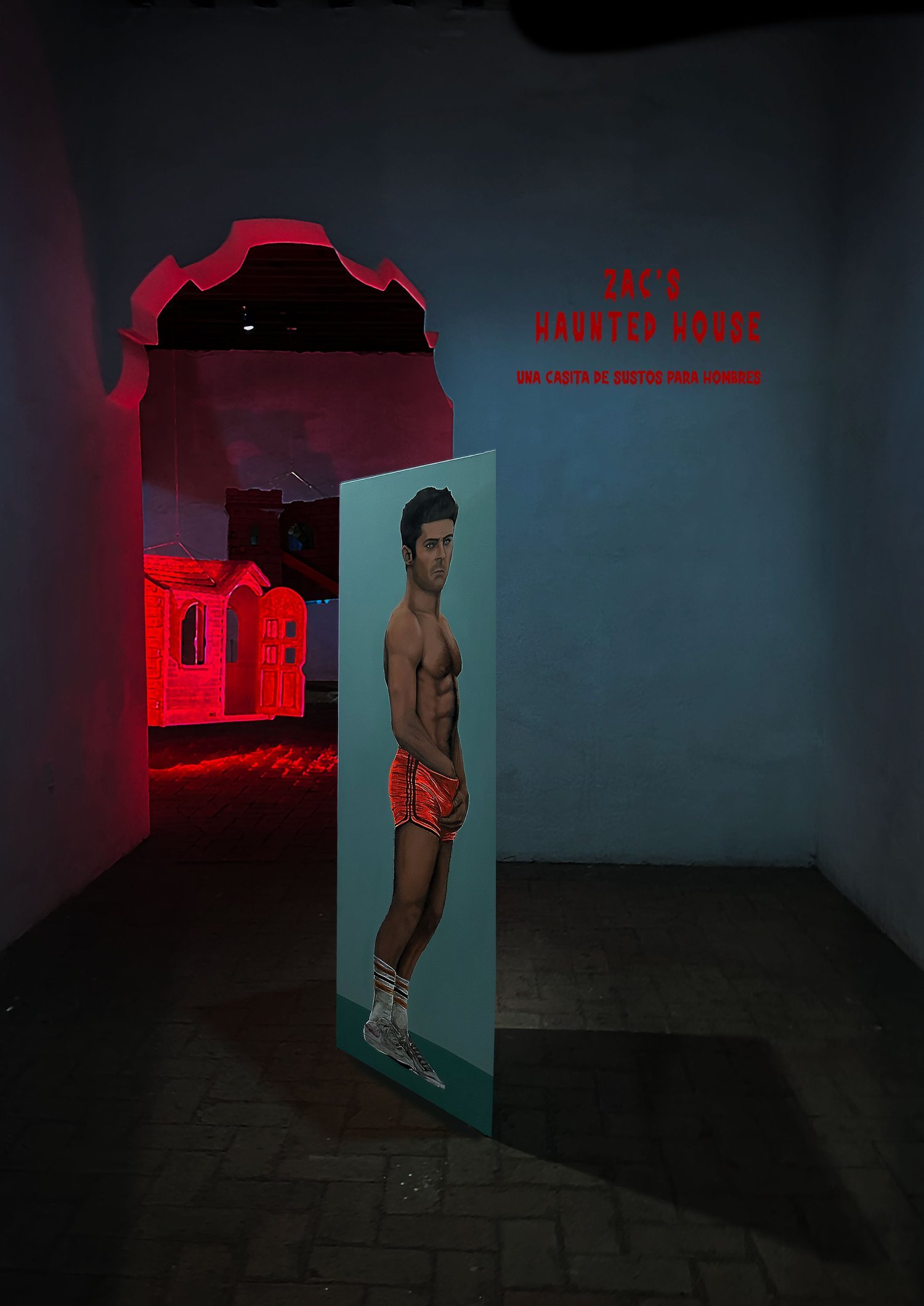
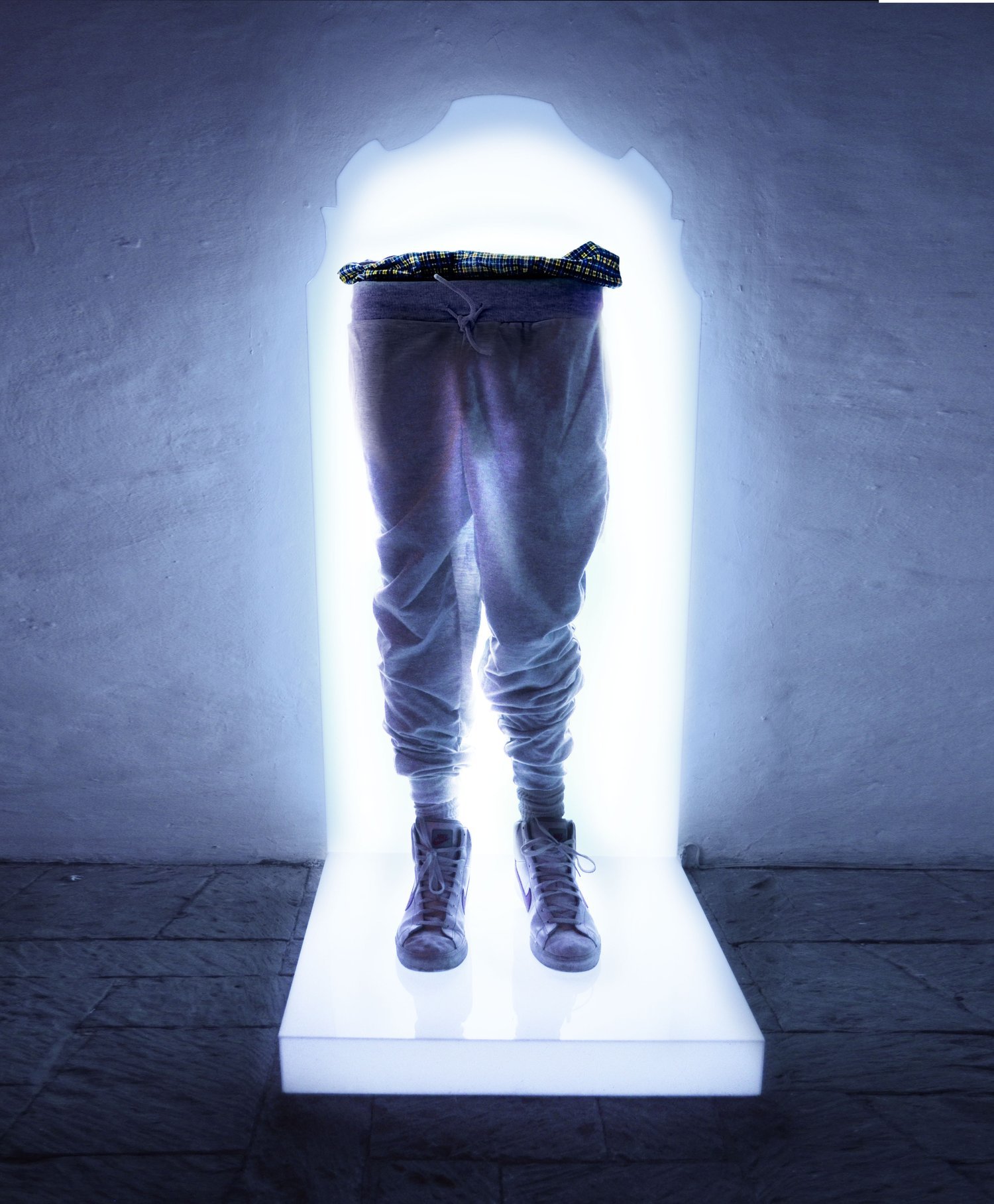
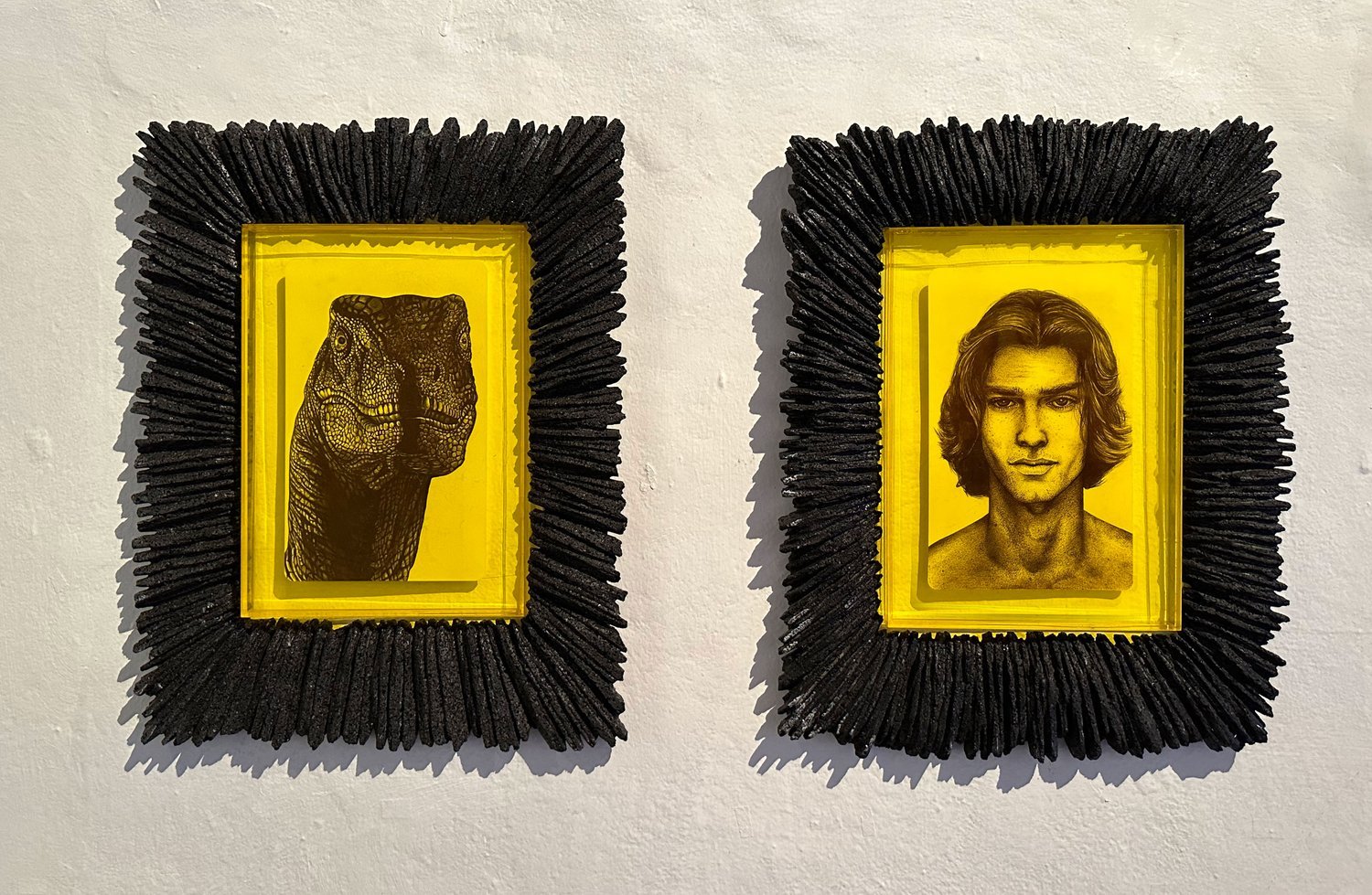
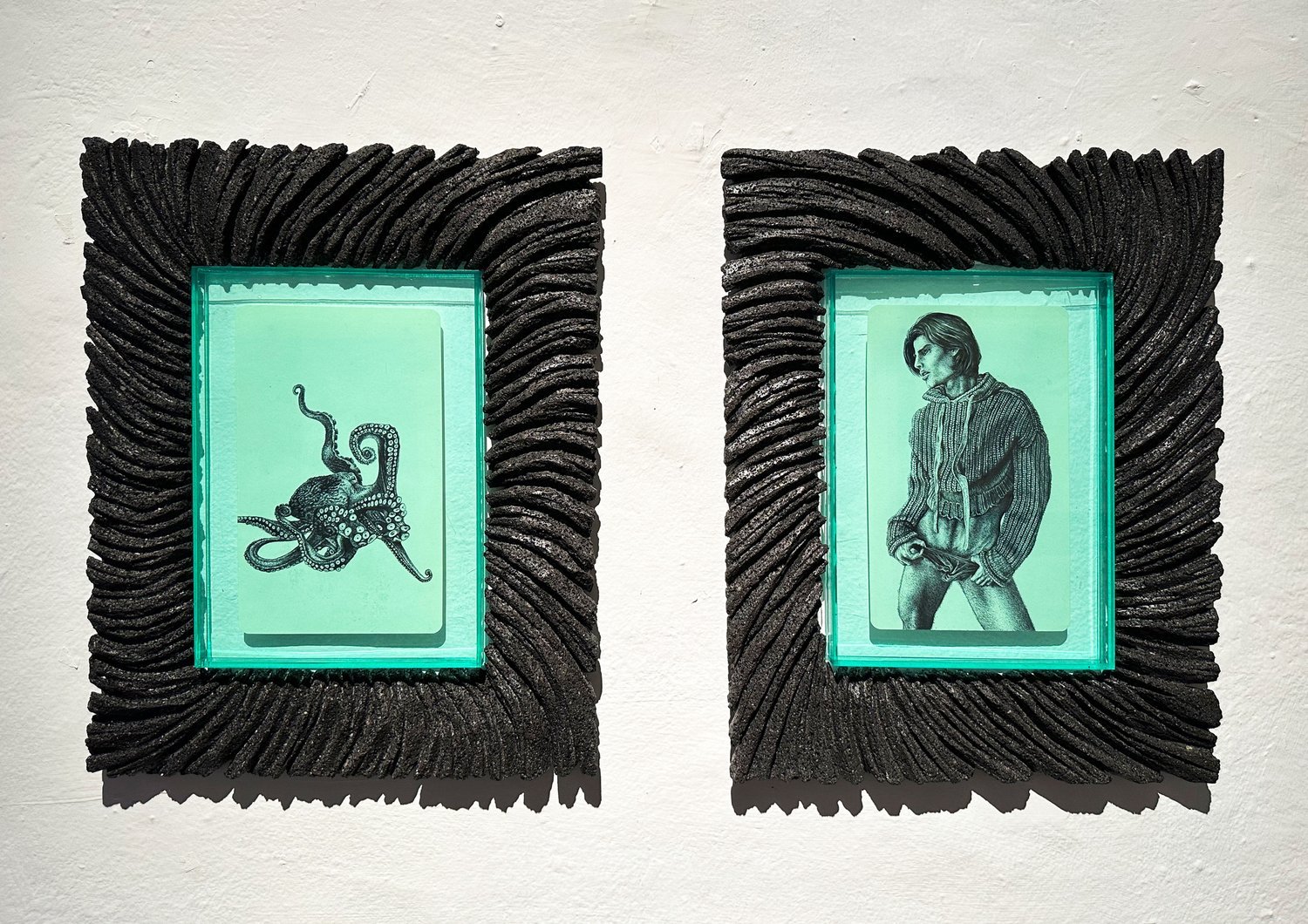
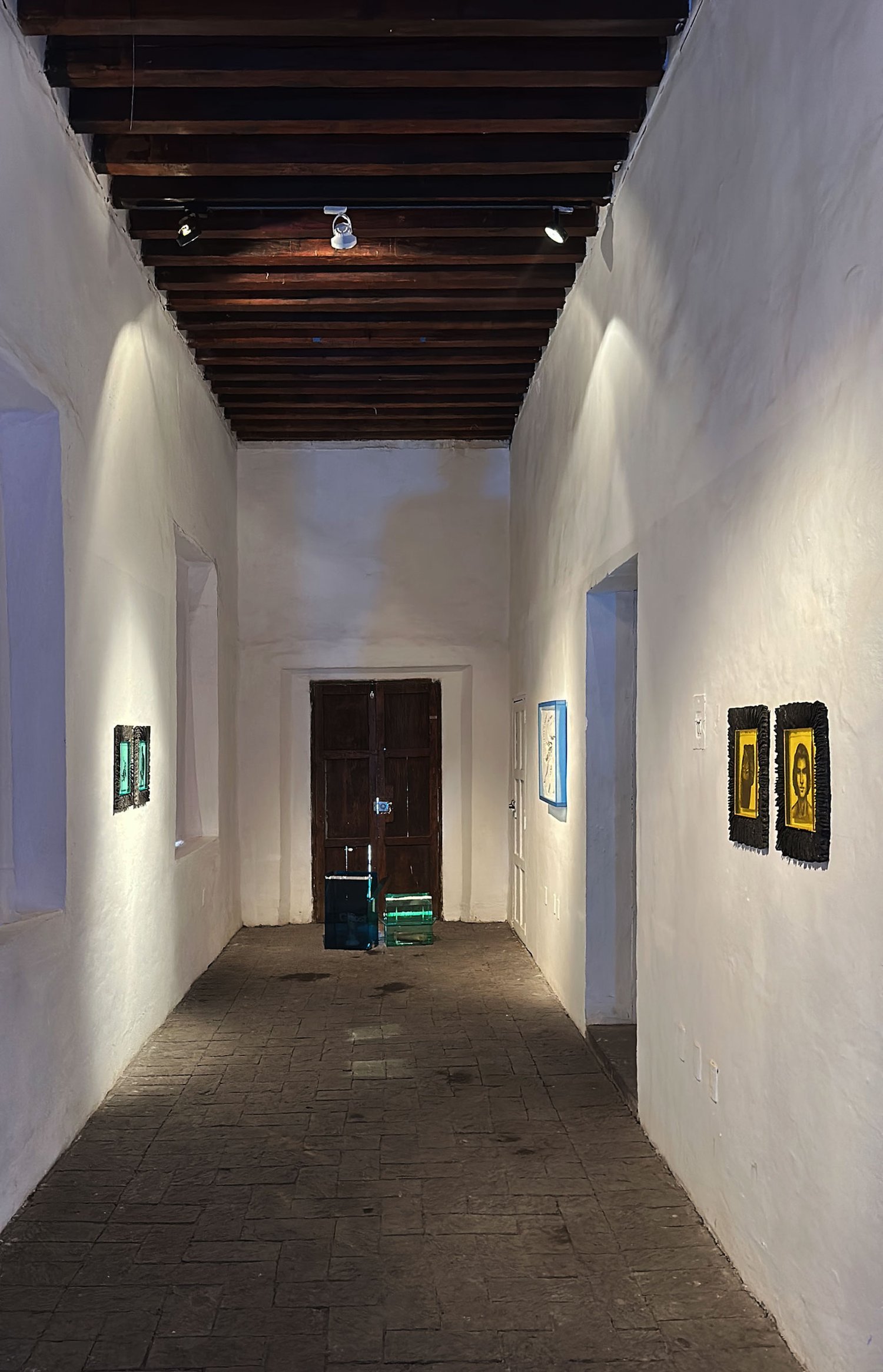
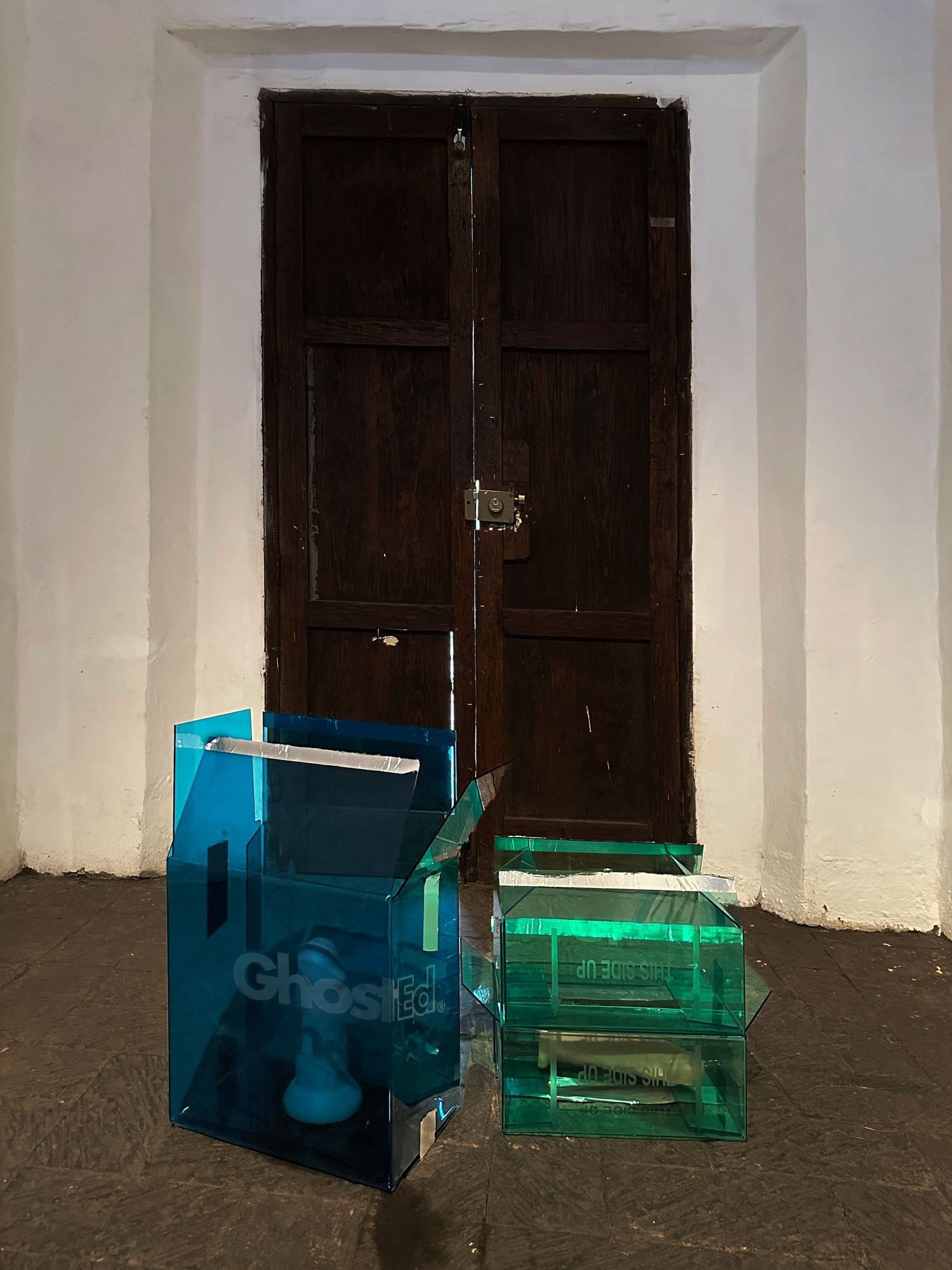
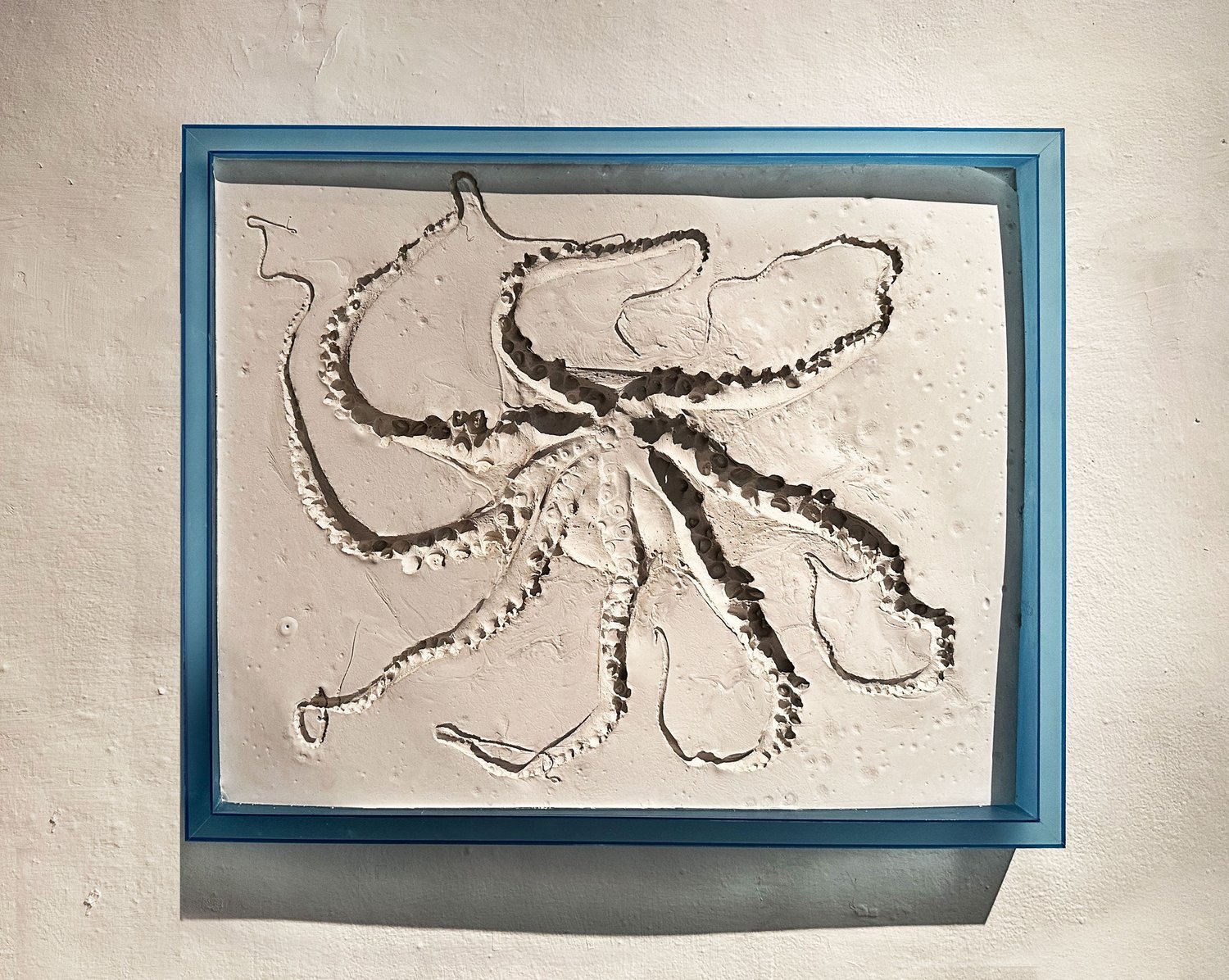
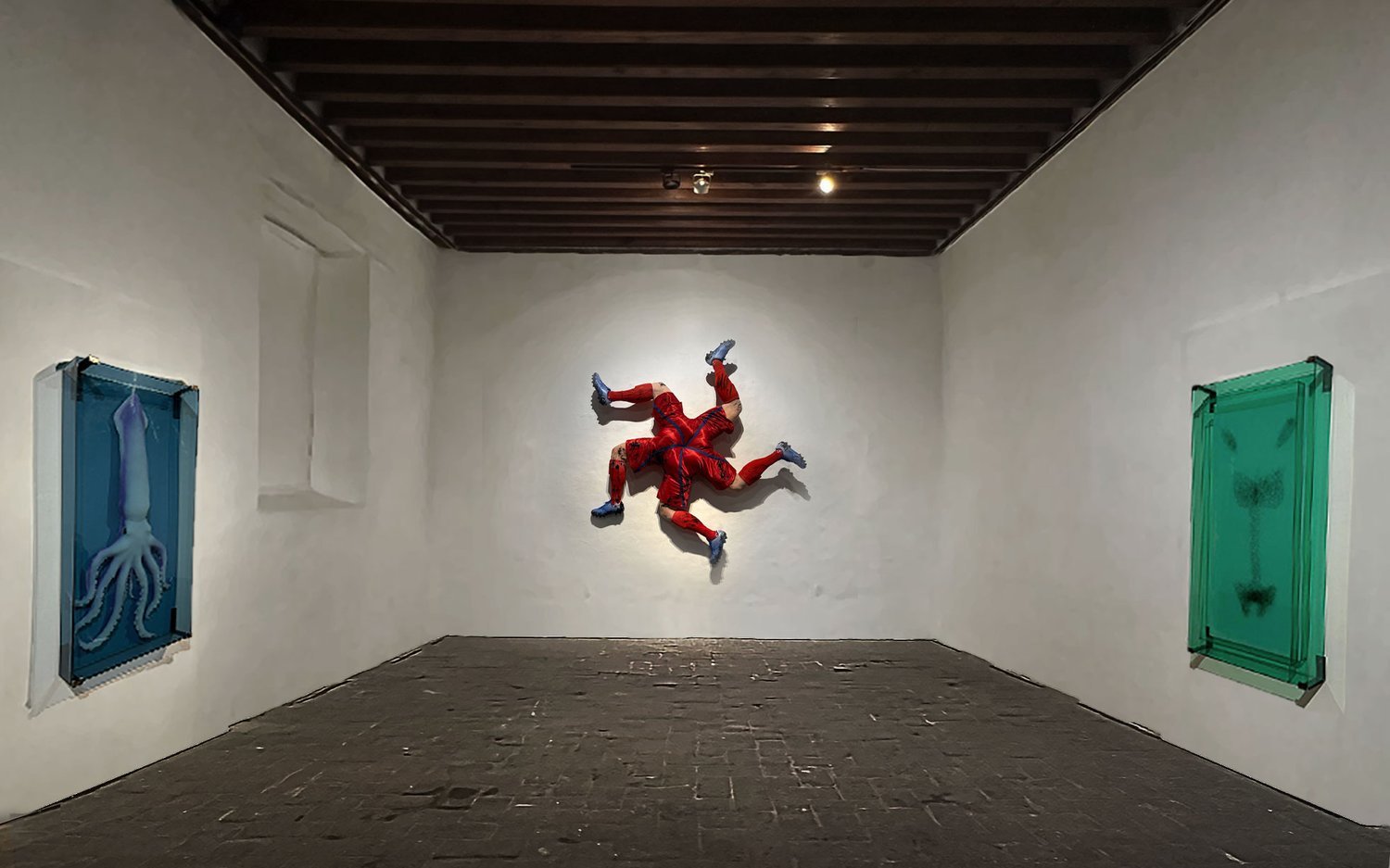
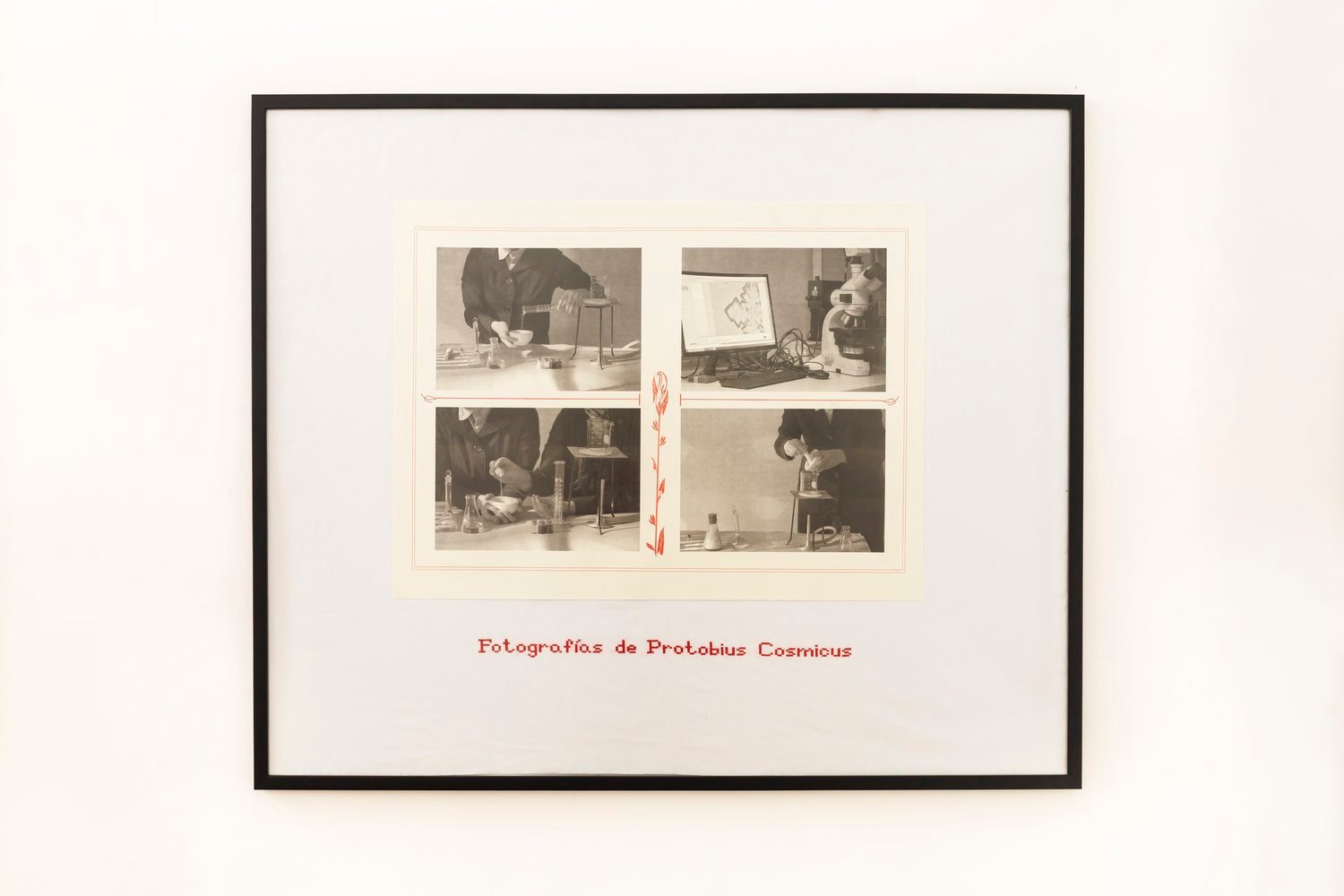
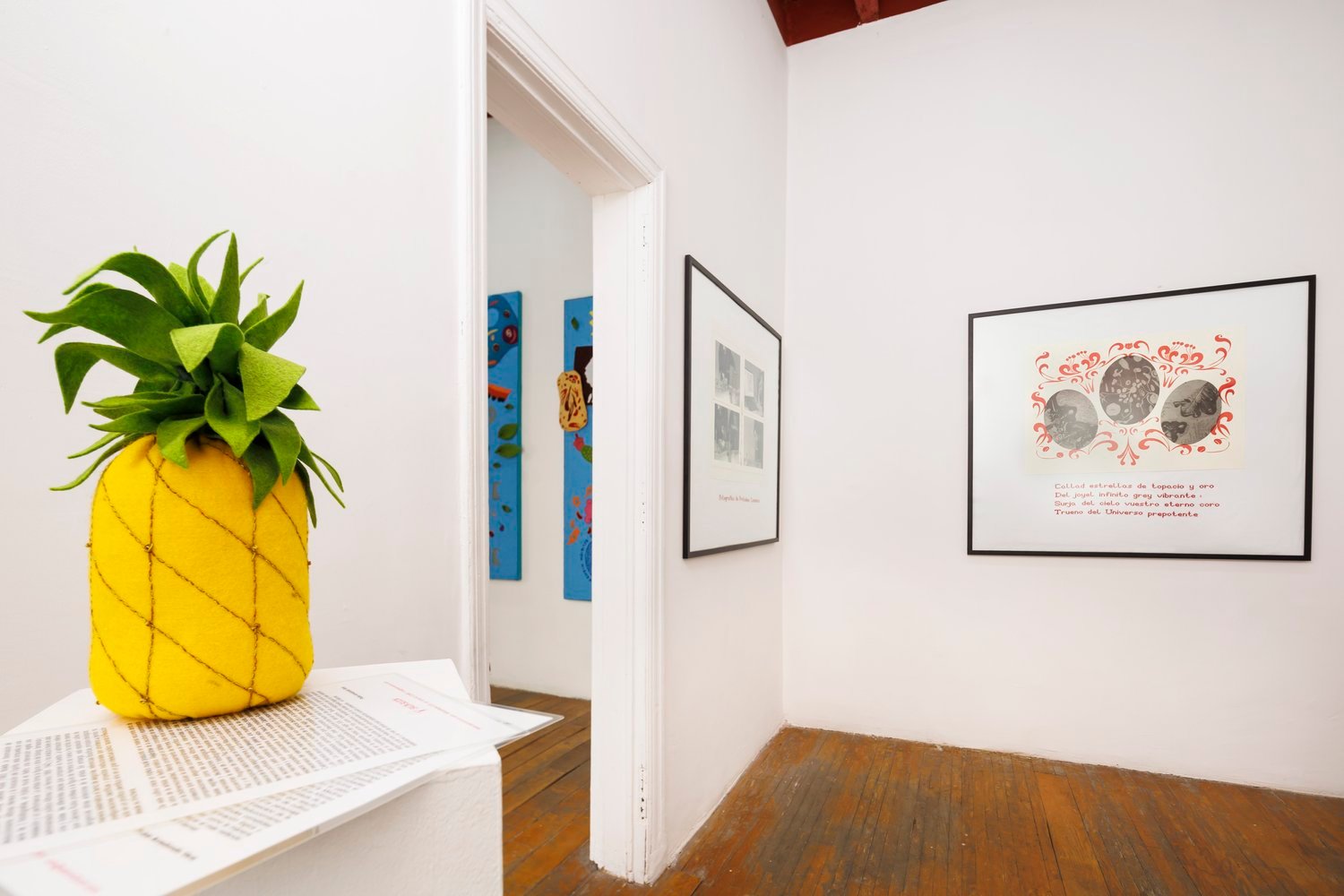
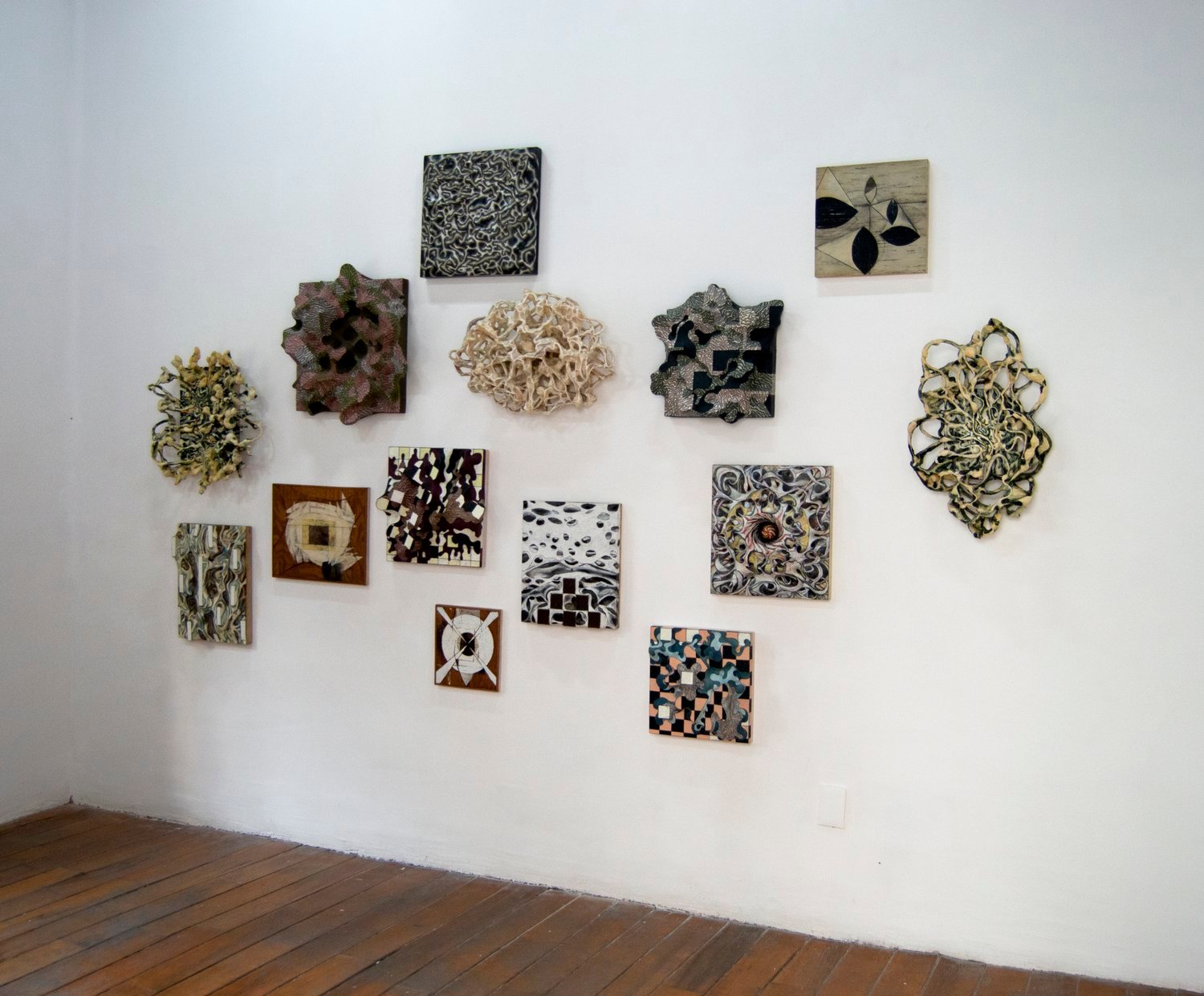
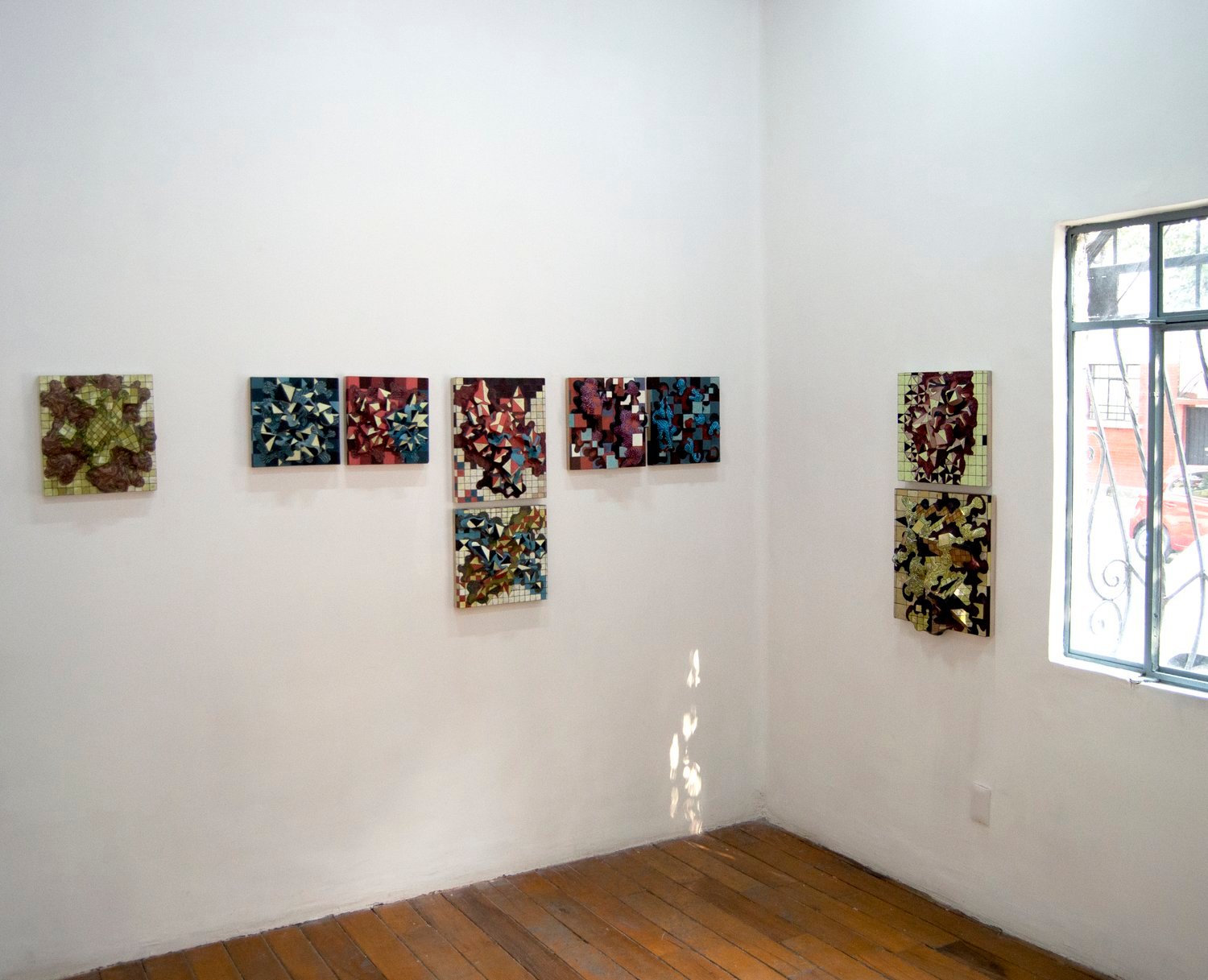
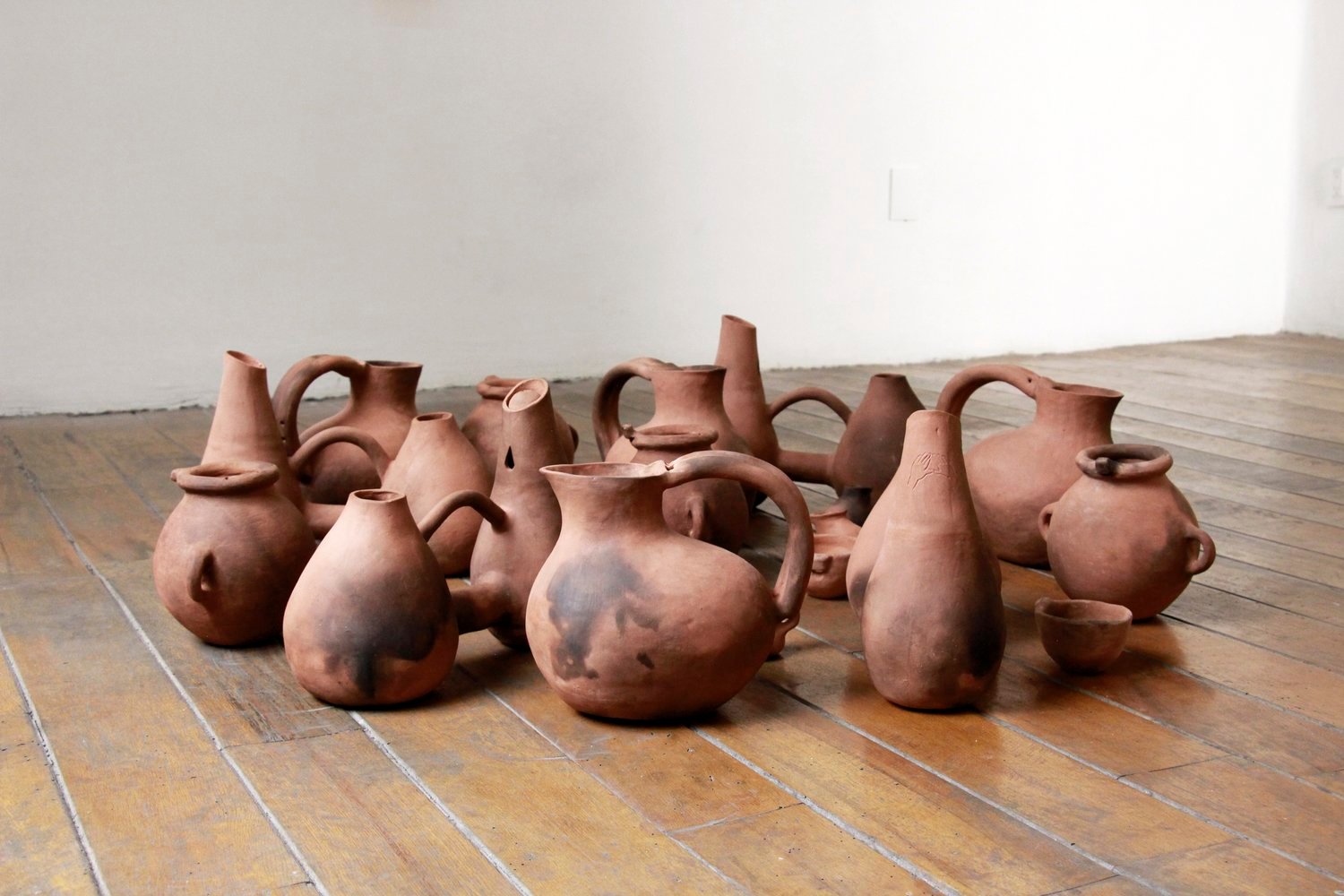
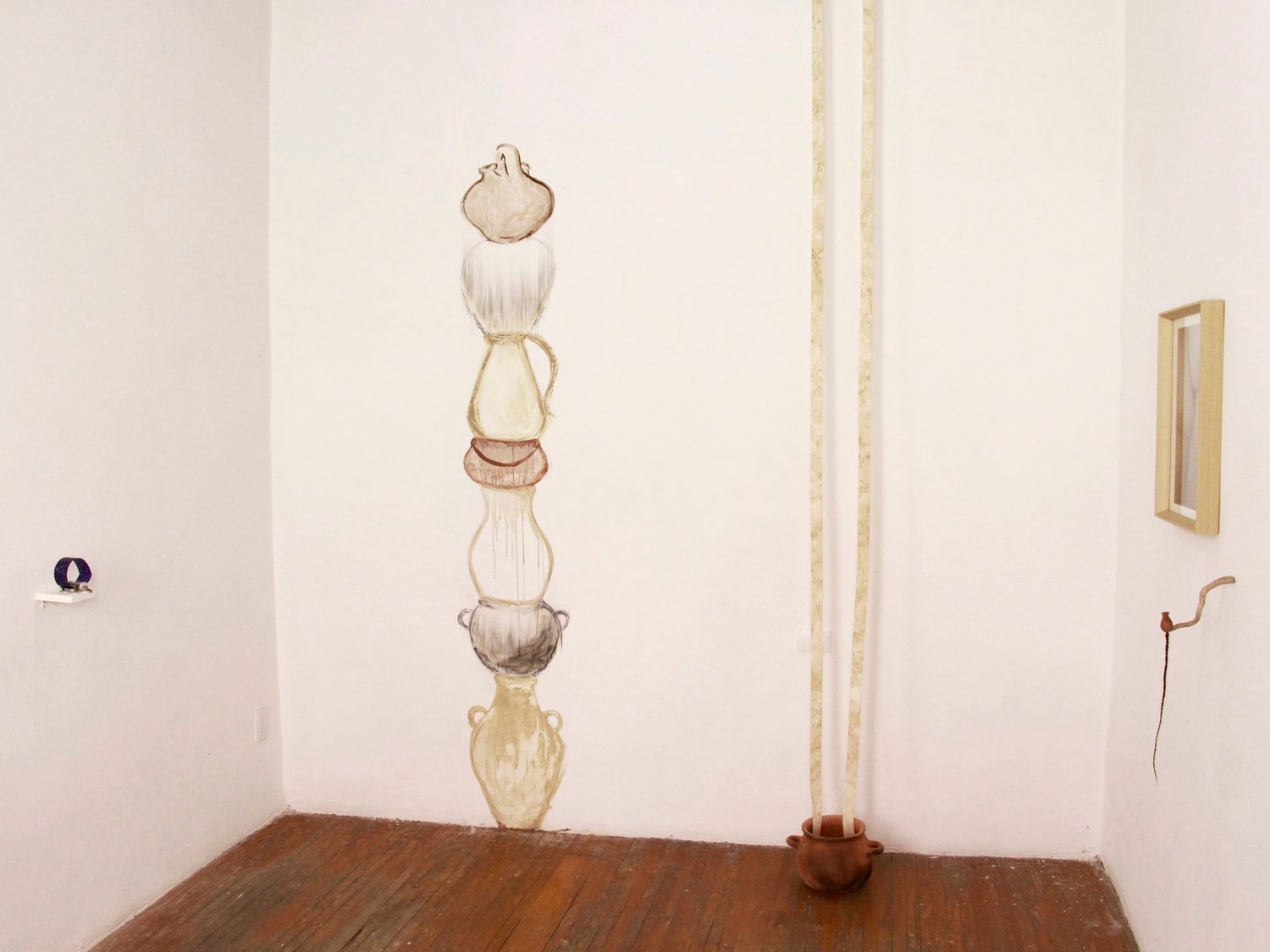
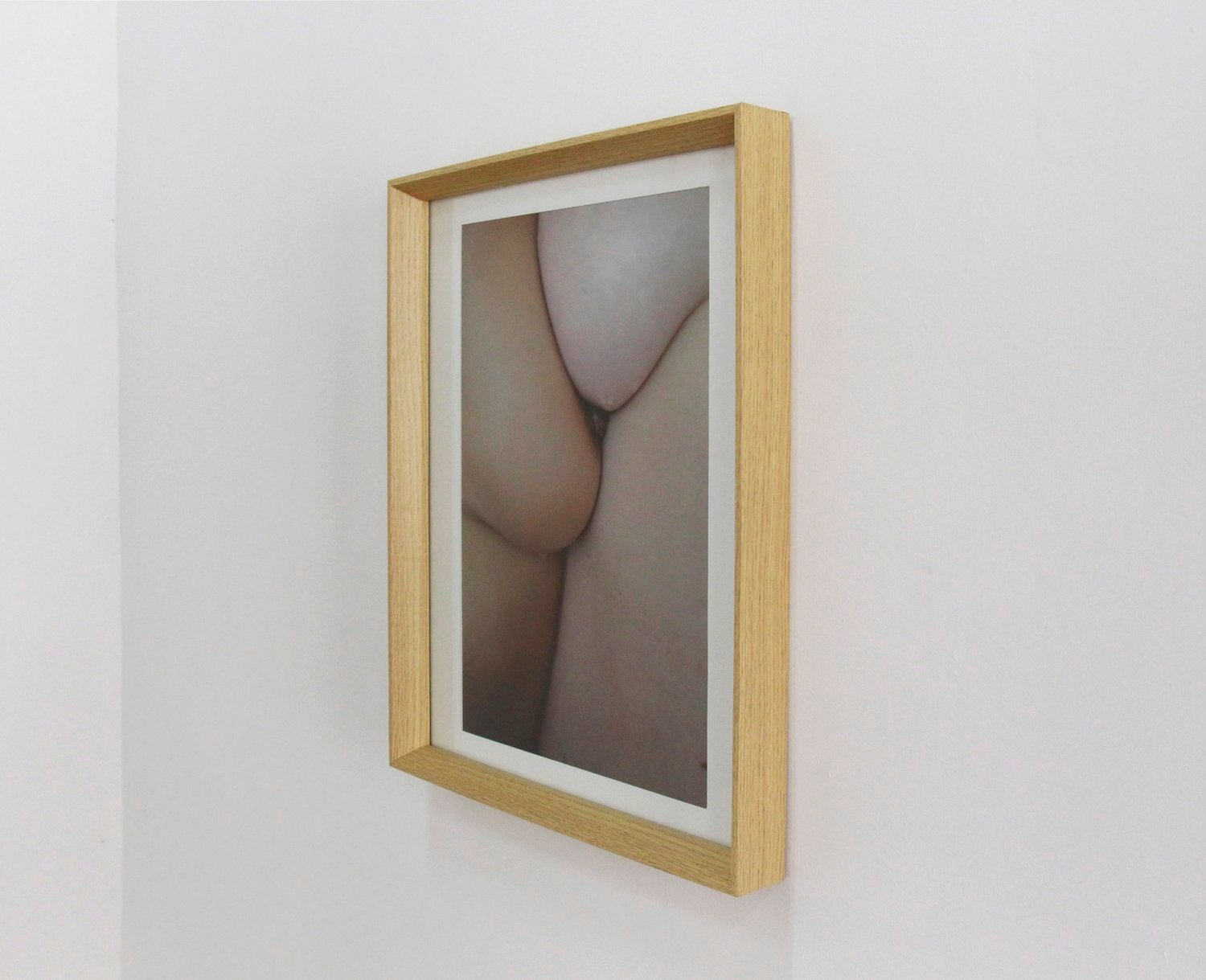
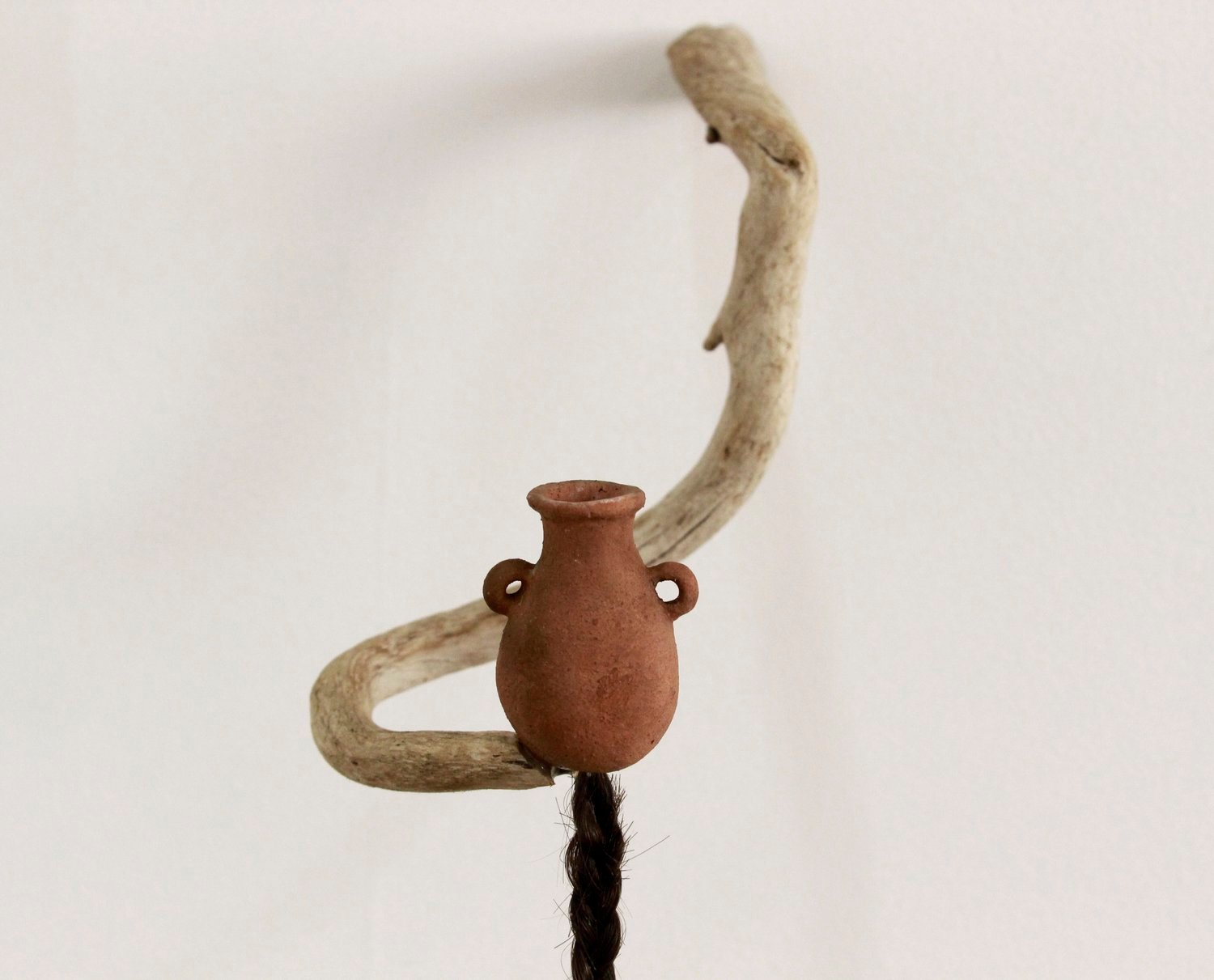
El programa de esta exposición se estructuró como un videojuego de distintos niveles para seguir el mito originario de Gurrumatx, unx cyborg a la inversa que por primera vez accede al espacio físico mediante la posesión consensuada de una diversidad de cuerpas humanas, siendo los ejes temáticos y conceptuales el consentimiento radical y los mitos fundacionales que producen identidad.
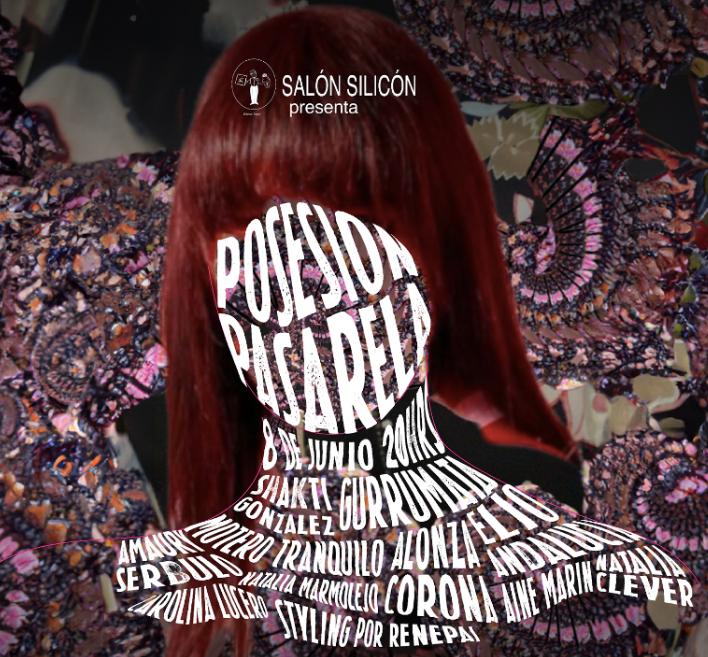
El cartel del programa completo al estilo de festival de música, fue diseñado por Elisa Ortíz, siguiendo la línea del retrato abstracto, rellenando siluetas anónimas con la información correspondiente a cada evento.
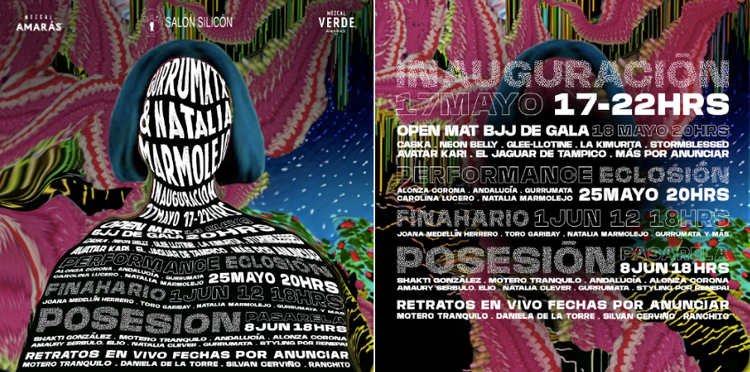

Open Mat de Gala
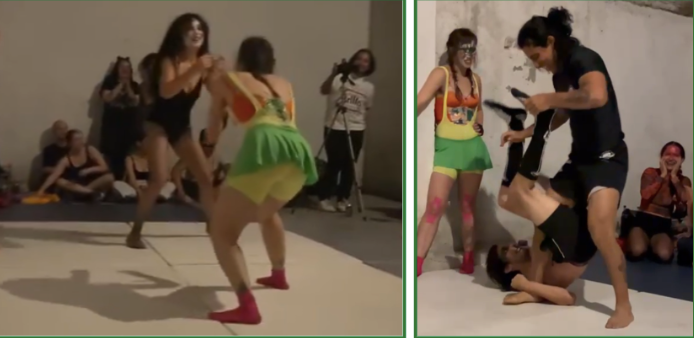
El primer nivel tiene el formato de un open mat o tatami abierto de Jiu Jitsu Brasileño de gala, en el que sus participantes desarrollaron un personaje: un avatar luchador a través del cual encarnar a Gurrumata.
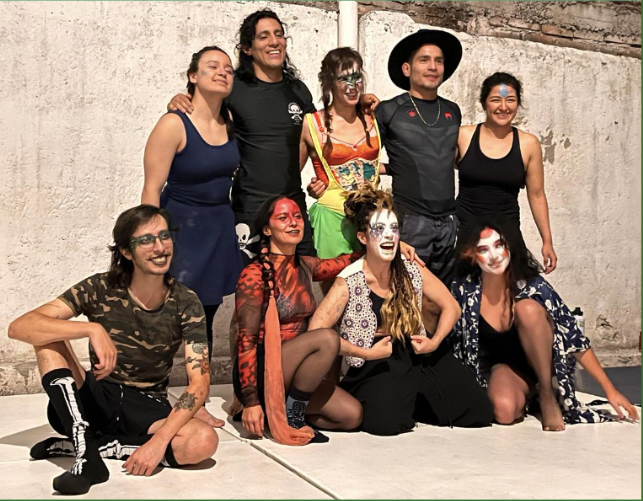
Se llevaron a cabo cuatro luchas de demostración, posteriores a las cuáles se invitó al público a participar en luchas cumpliendo con los protocolos de seguridad y consentimiento radical.
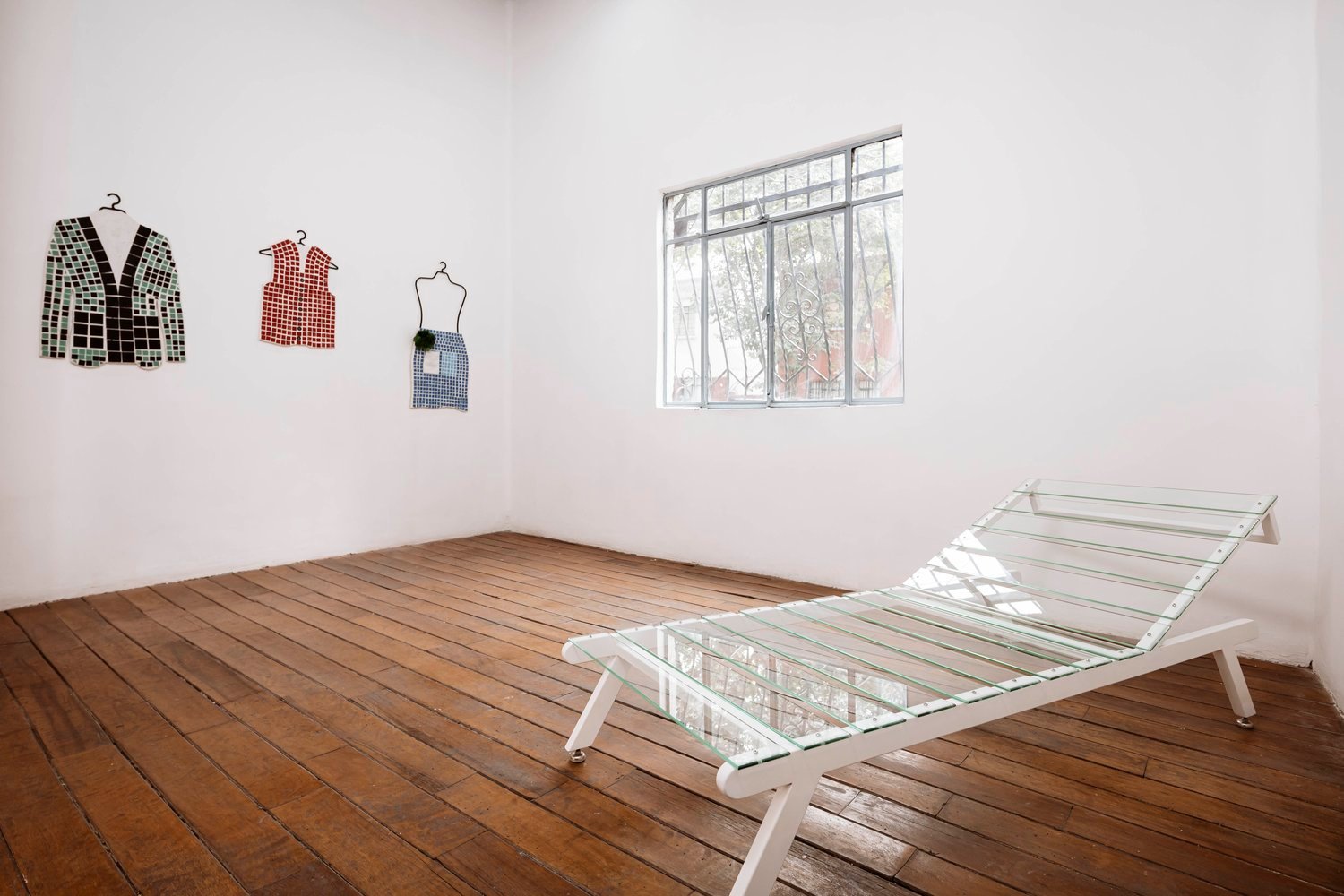
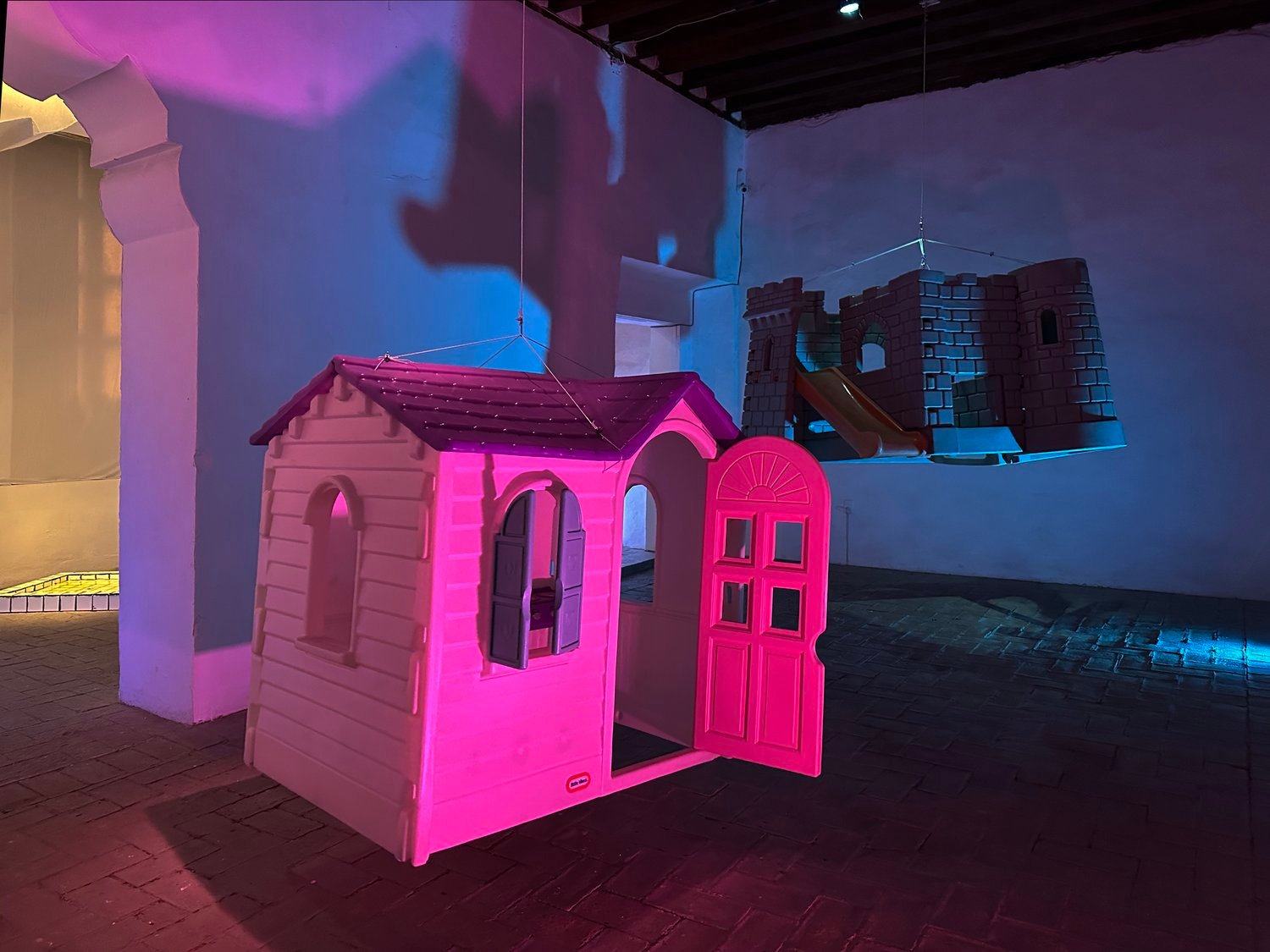
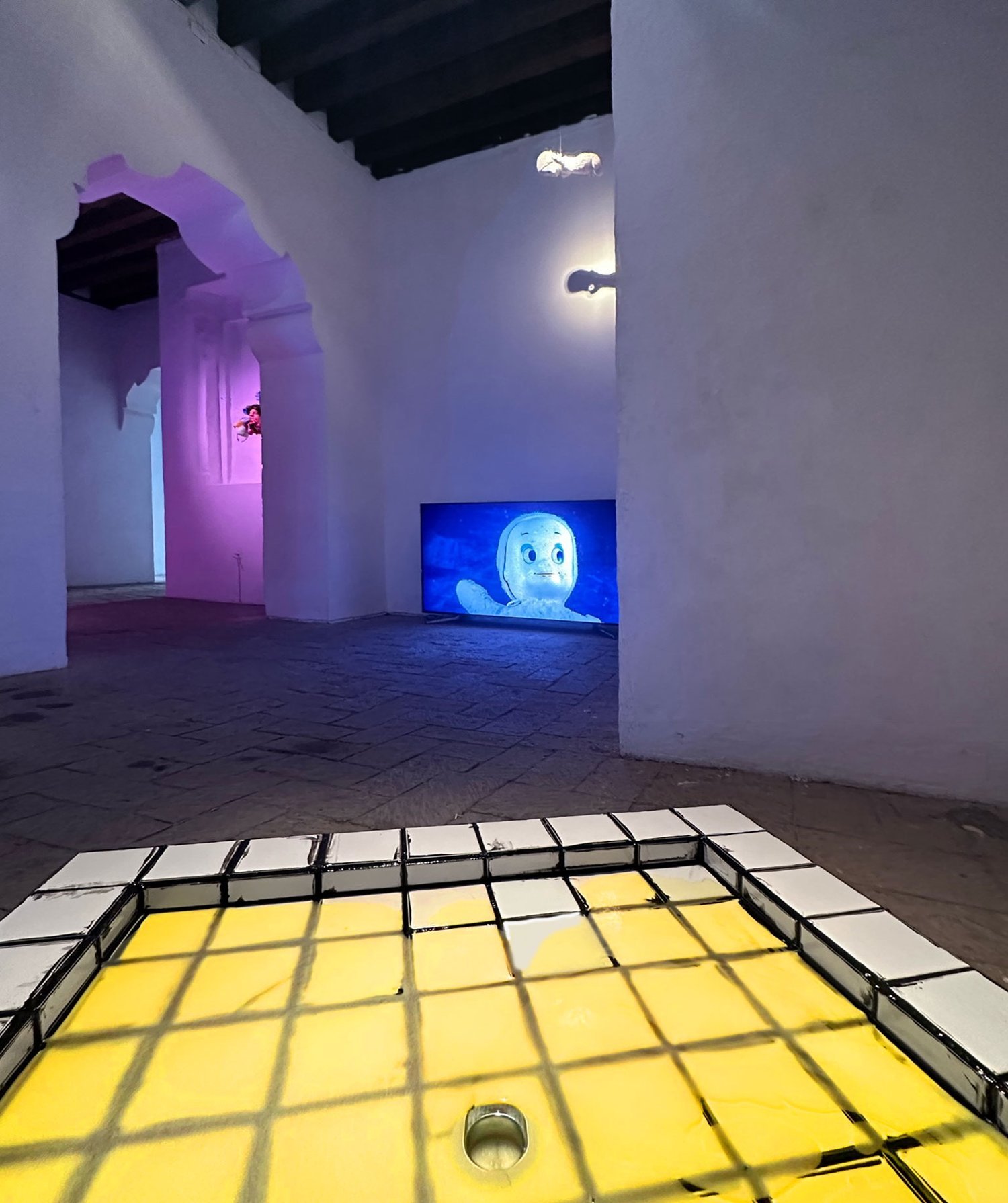
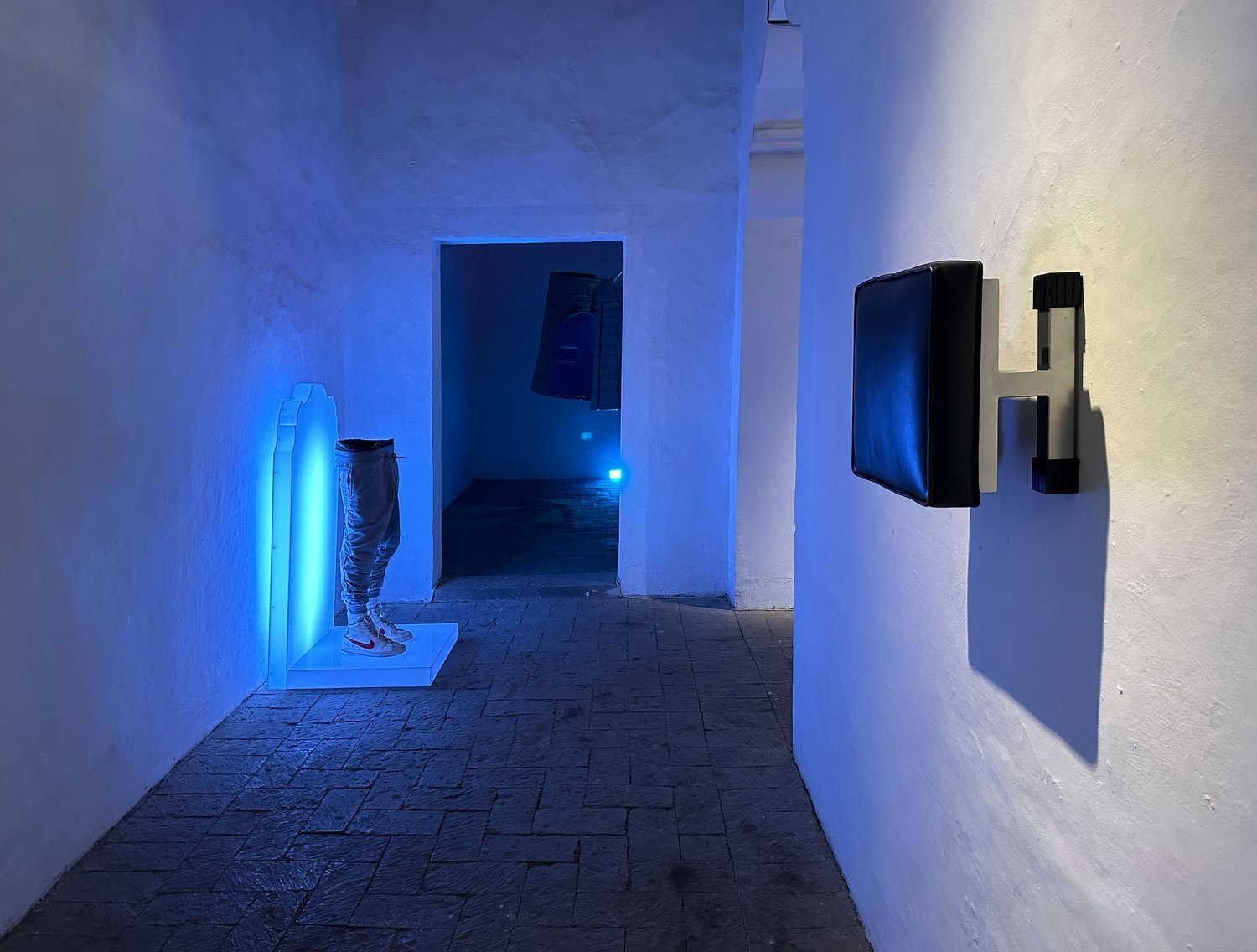
Este suceso representa la disputa por el territorio del cual surge la nación digital donde Gurrumata podrá transitar, para habitar el espacio físico dentro de Salón Silicón, que a su vez existe dentro del espacio arquitectónico de su recinto, que a su vez se ubica en la Ciudad de México dentro del territorio del Estado-Nación Mexicano.
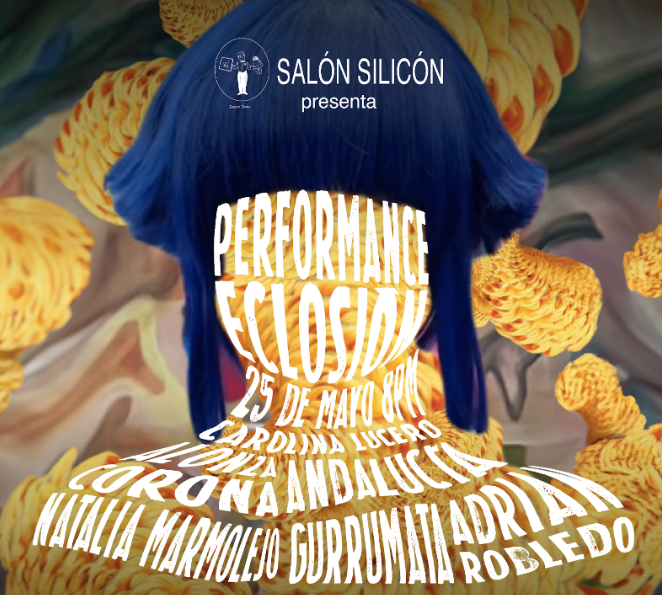
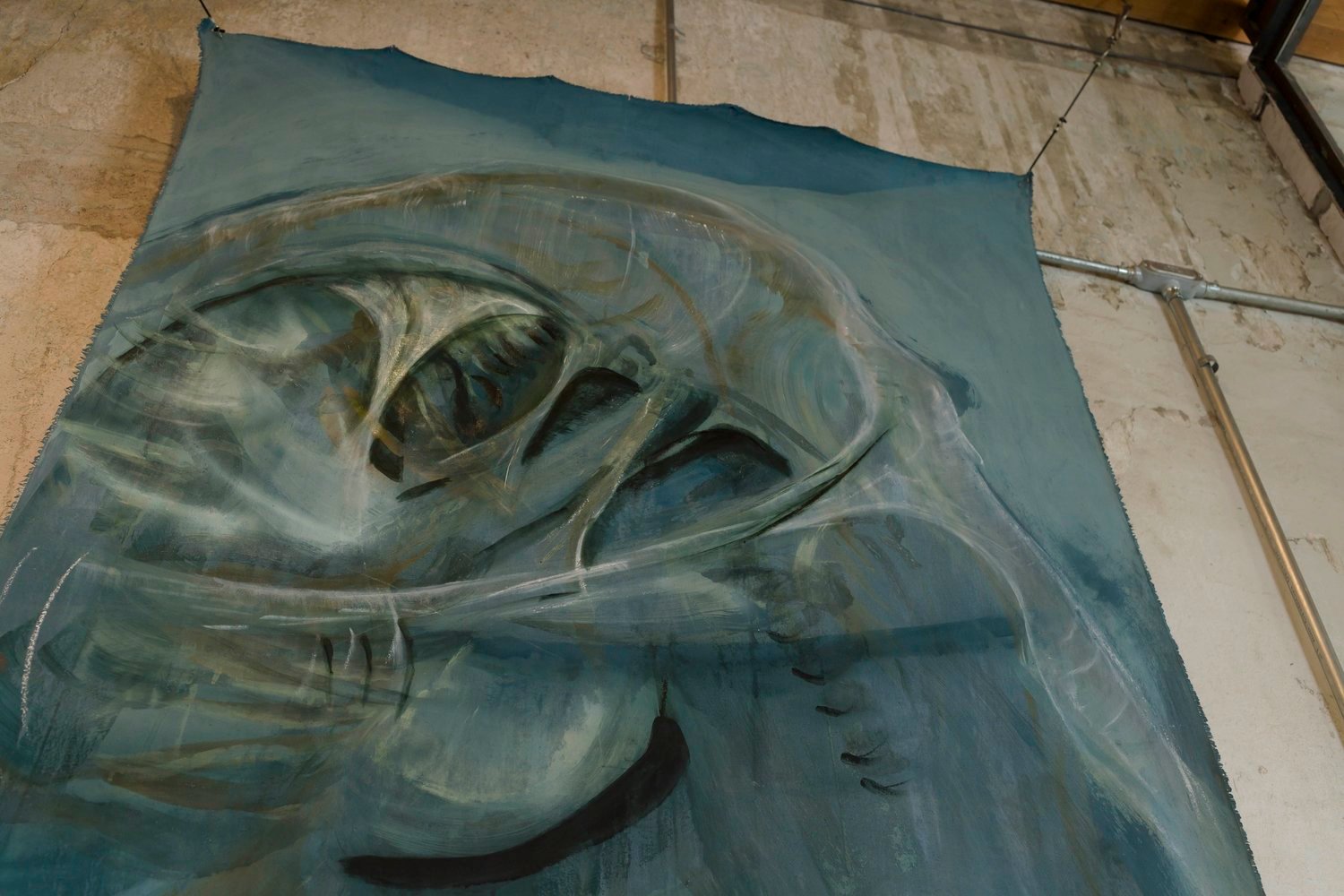
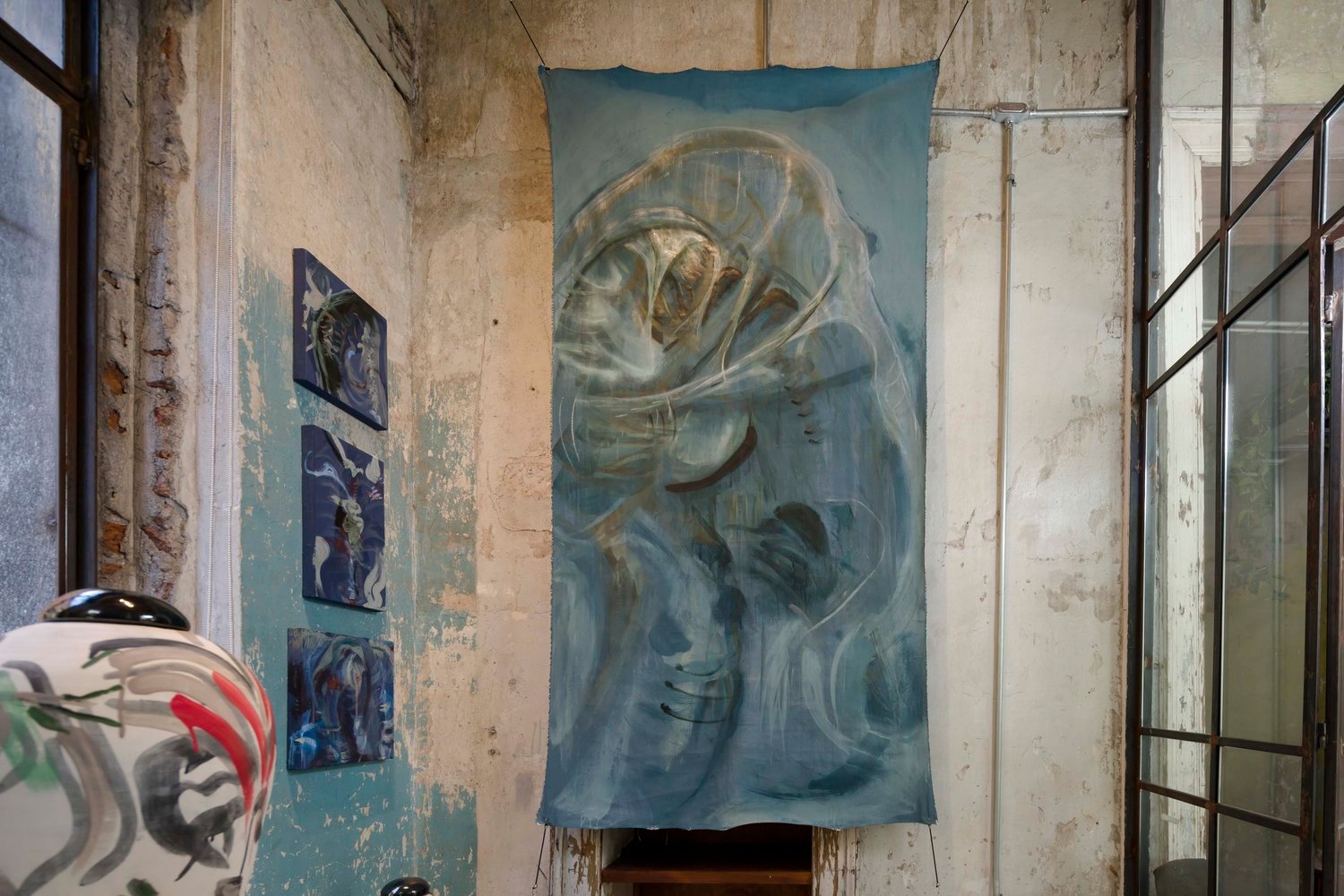
El segundo nivel fue el performance ECLOSIÓN, una coreografía a tres cuerpas dentro de una tela matriz de la que emerge Gurrumata, simbolizando su nacimiento a esta dimensión ficticia.
En esta ocasión, Natalia Marmolejo, Andalucía y Alonza Corona le permiten a Gurru manifestarse, mientras se proyectan rostros provenientes del Gurruverso digital sobre la tela dentro de cual danzan. El peformance contó con música en vivo a cargo de Sofía Escamilla y Adrián Robledo.
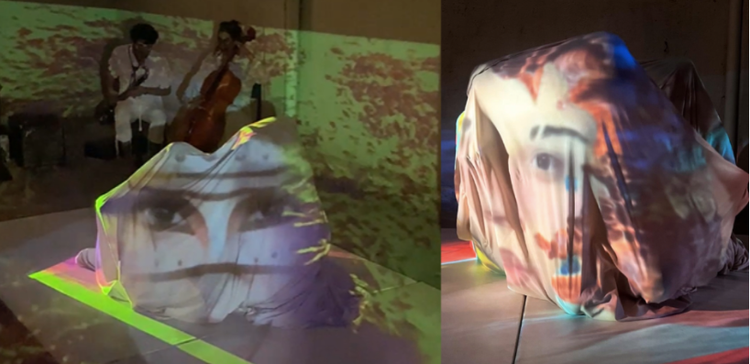
La coreografía, a cargo de Andalucía, fue diseñada para producir una masa amorfa, a veces antropomórfica, a veces abstracta, siempre viva y respirando, en la que se combinan las cuerpas de las bailarinas en un frenesí por emerger al mundo exterior, finalizando en un parto simbólico.
La pieza reflexiona sobre la violencia y el body horror del embarazo y el nacimiento y su estrecha relación con el amor y el consentimiento radical que implica a los tres cuerpos imbricados en la concepción de la vida.
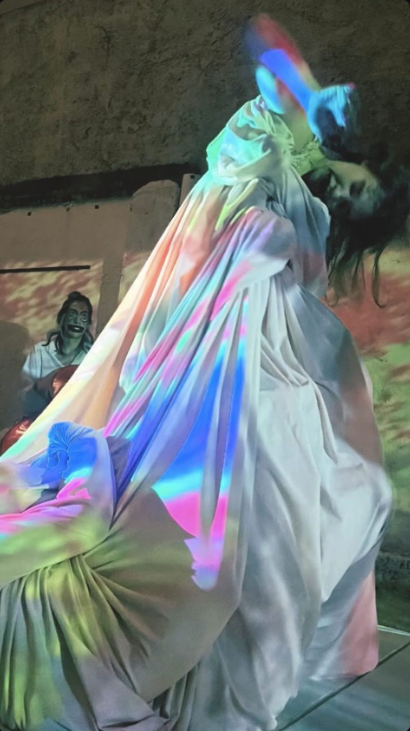
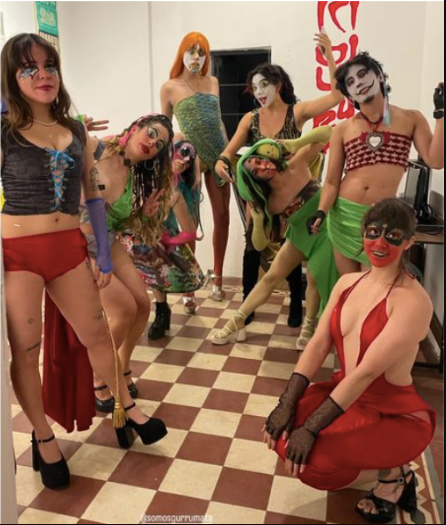
Posesión, el tercer nivel, la anti-pasarela.
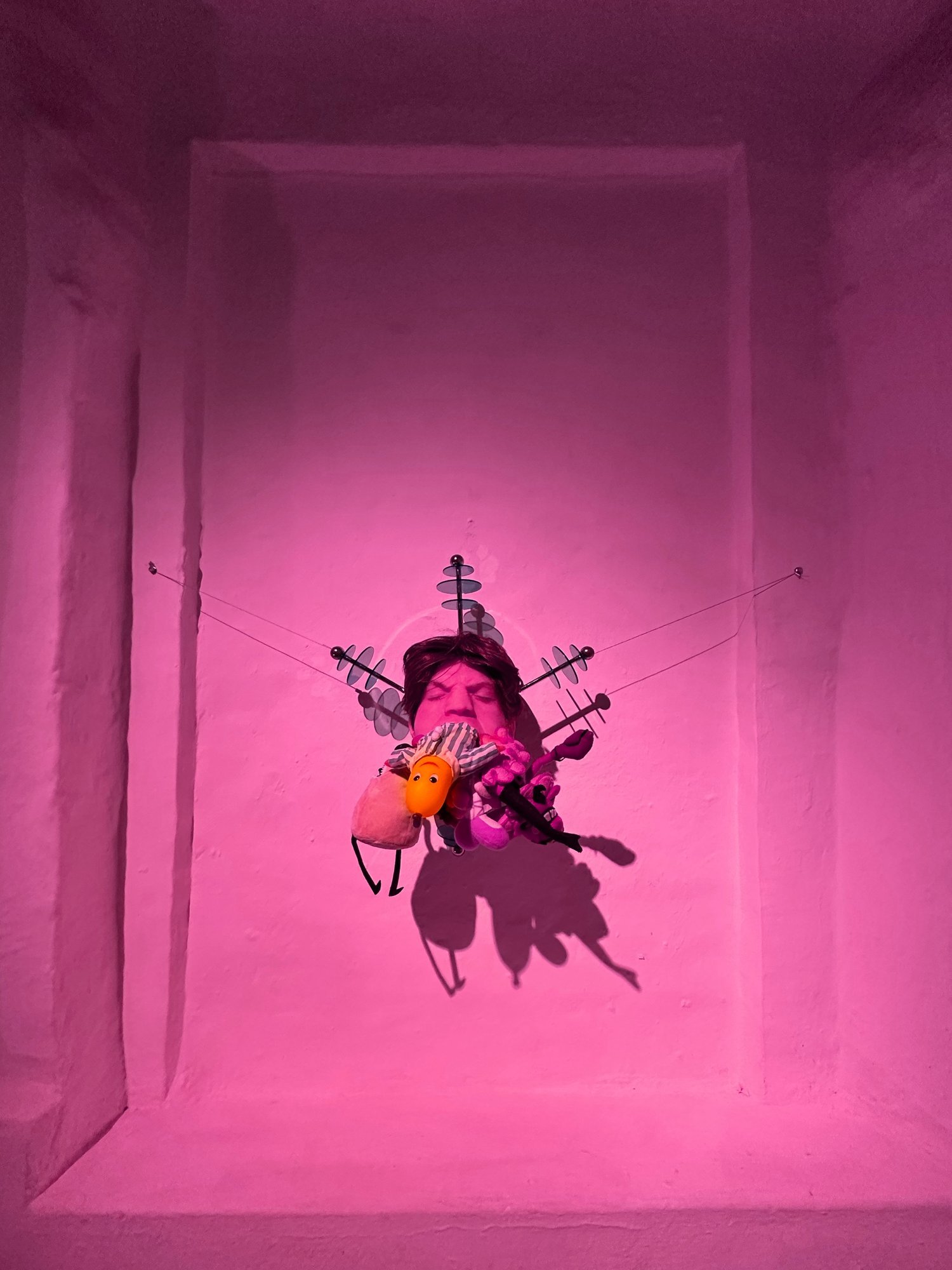
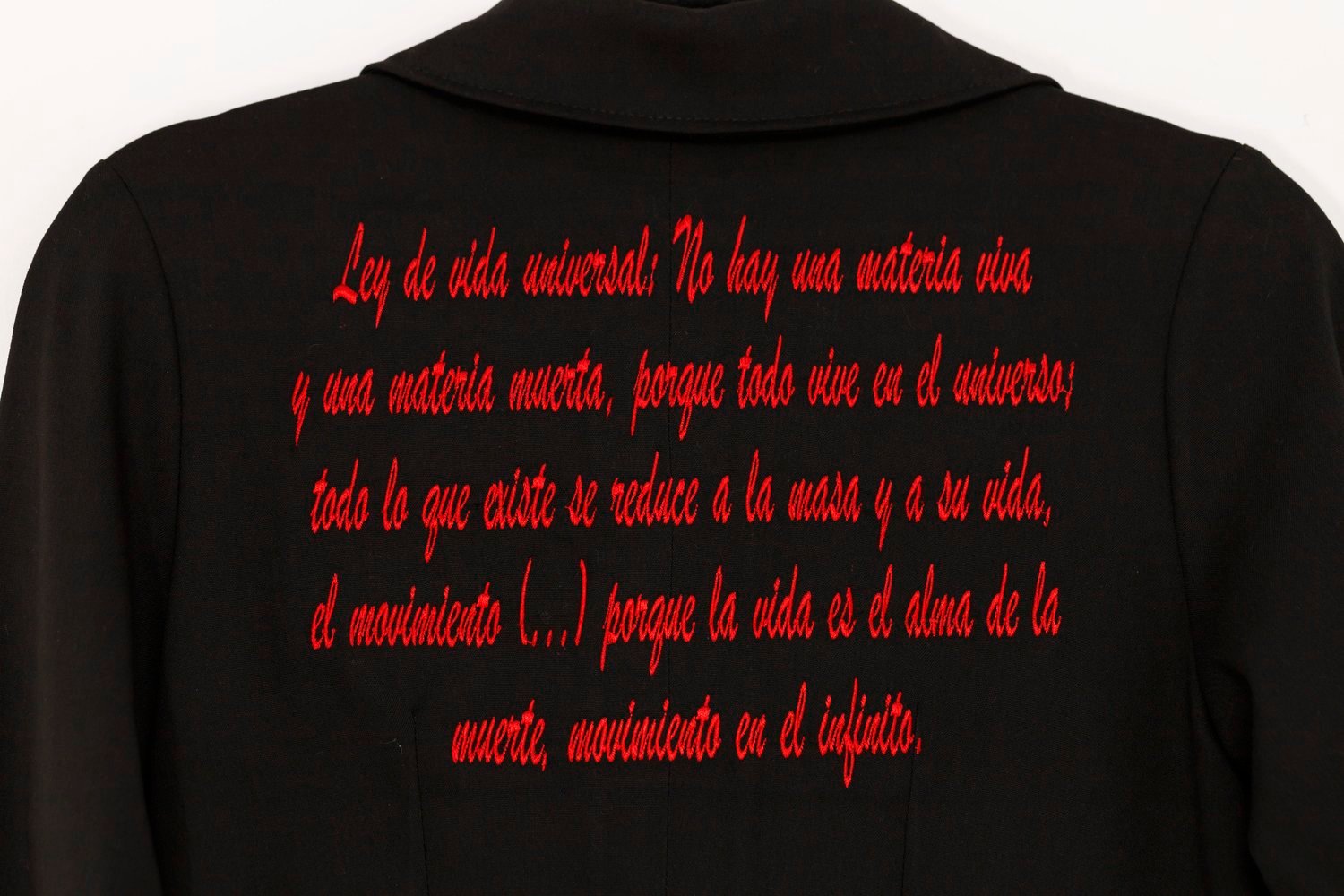
Gurrumata se propaga y expande mediante las cuerpas consintientes de las modelos, quienes canalizaron con su corporalidad la experiencia de un ser cibernético que por primera vez tiene acceso a una cuerpa.
El término anti-pasarela se refiere al formato y calidad de movimiento. Una pasarela tradicional suele ser muy veloz; en este caso la caminata recurre a técnicas de danza Butoh, que son intrínsecamente lentas. Se busca alargar el tiempo diseccionando y ralentizando el movimiento corporal hasta sus últimas consecuencias.
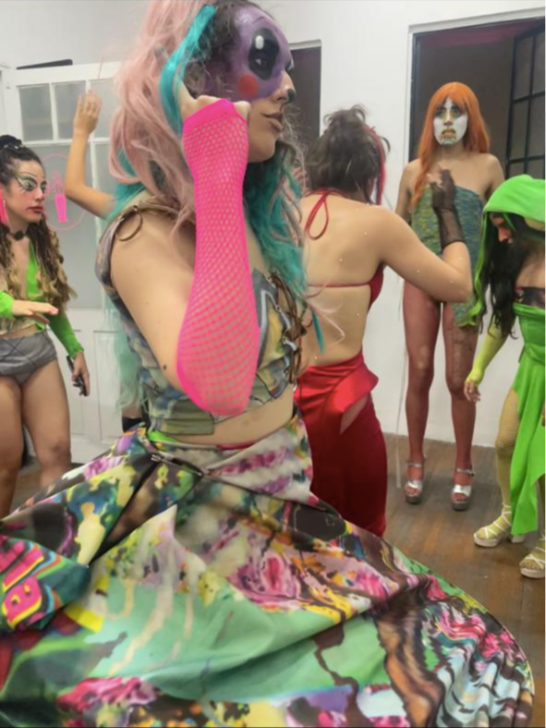
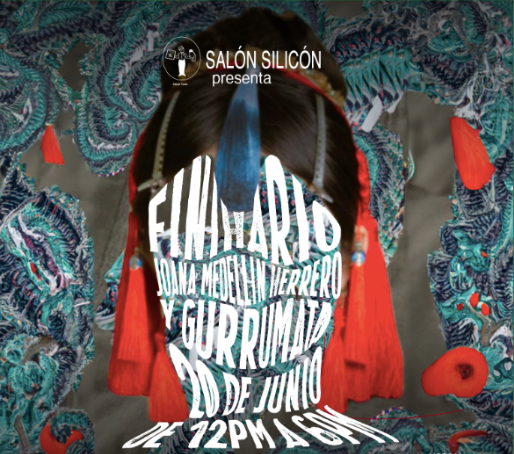
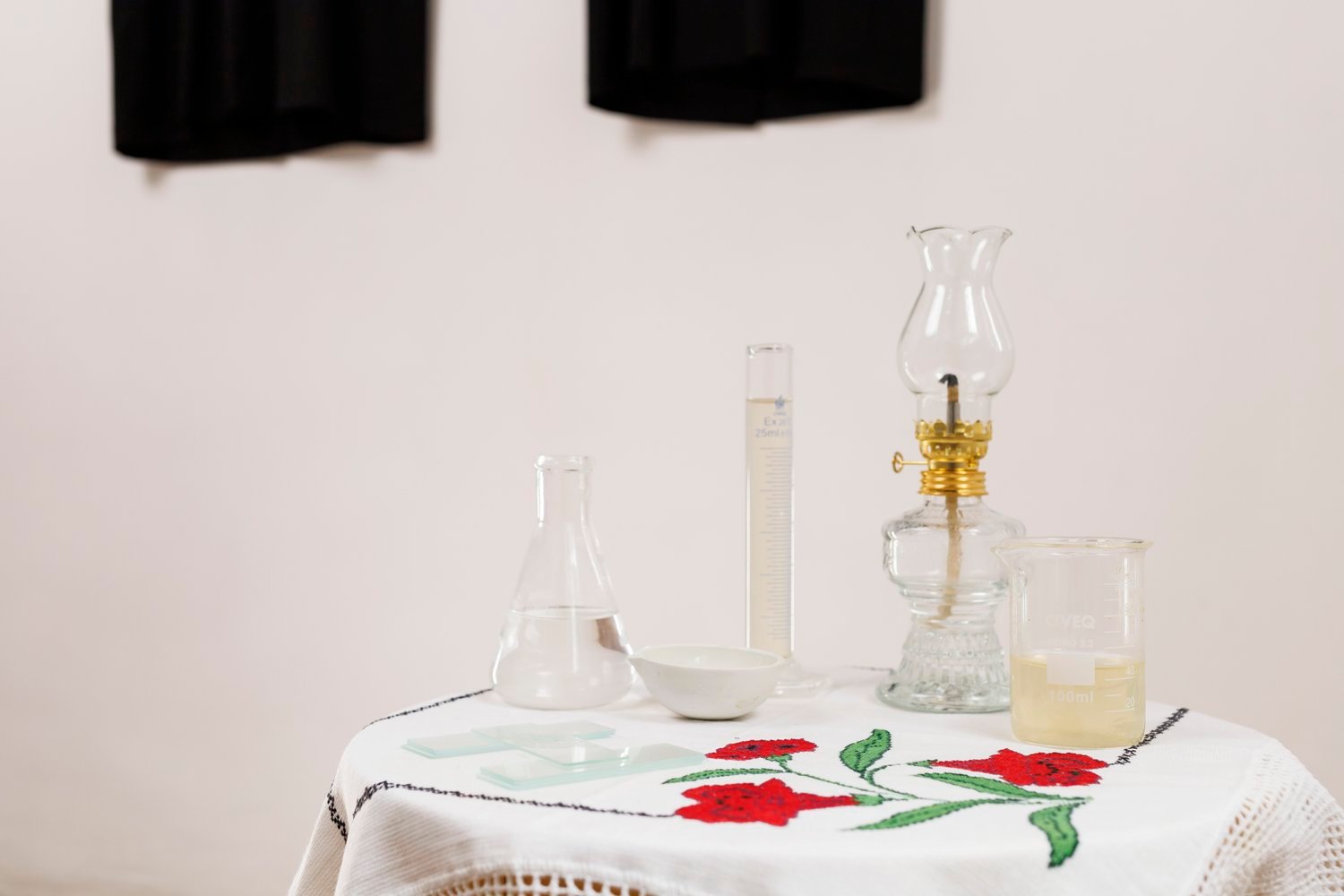
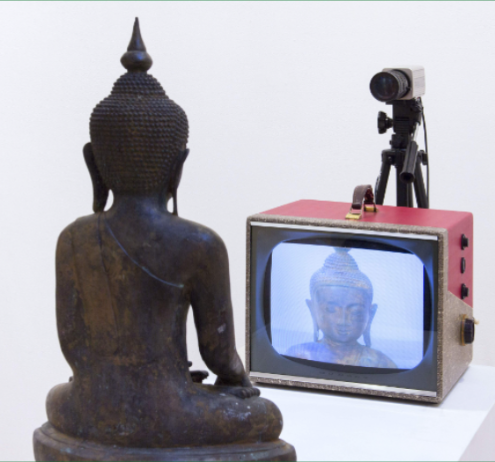
Finihario, el cuarto nivel, fue un performance de larga duración que desembocó en una fiesta de té entre amigas. Una de las inspiraciones para esta pieza fueron las esculturas de Buda mirándose a sí mismo eternamente en la televisión, de Nam June Paik.
Durante las 6 horas en las que se desarrolló la acción, se reprodujo una compilación de obra de video de Natalia Marmolejo. El performance empezó con Natalia y Joana Medellín personajeándose una a la otra, a través del maquillaje y vestuario, con peinados esculturales y barniz de uñas. Todo esto se hace mientras ellas chismean, beben té e invitan a integrarse a la pijamada a quien se atreva. Joana leyó completa su poemaria titulada Nataliamente.
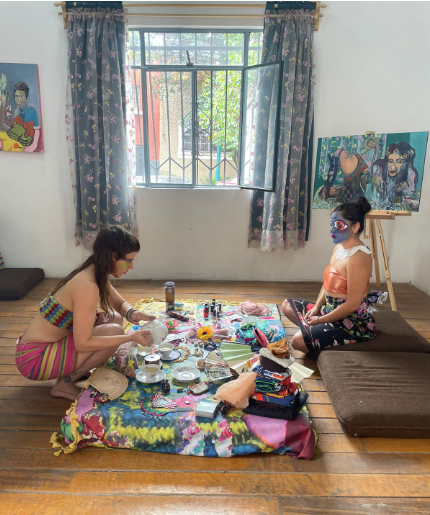
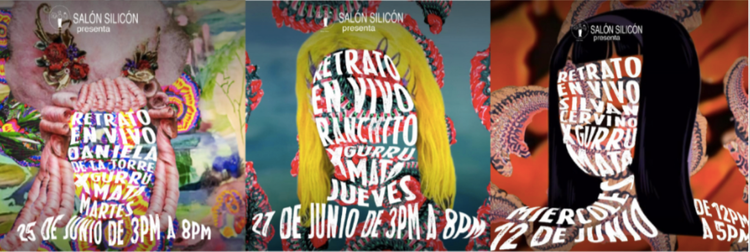
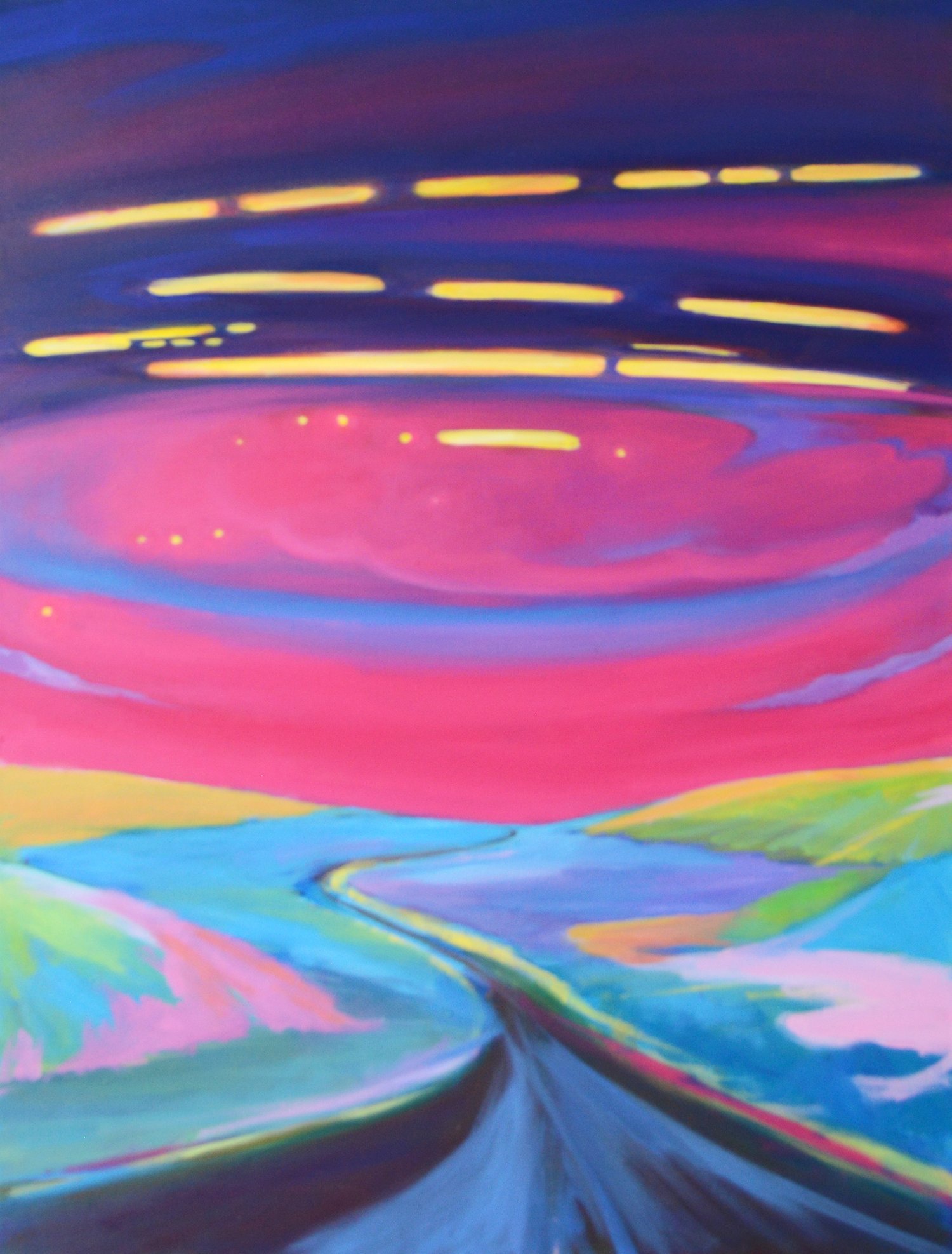
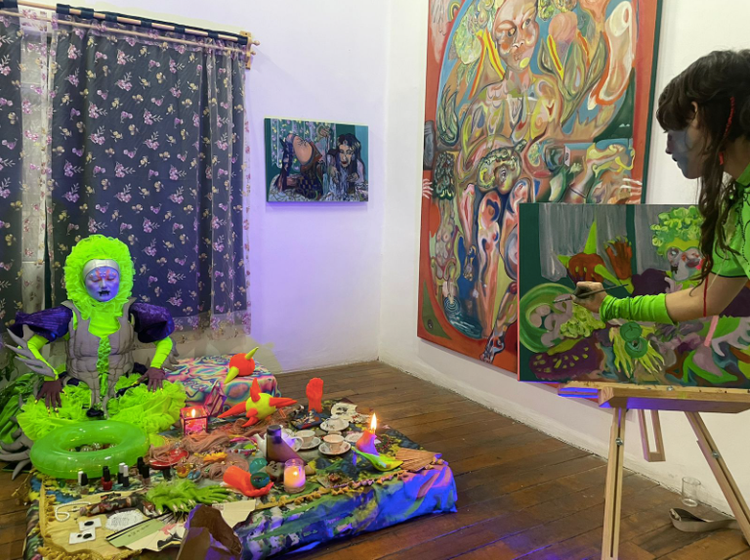
Se realizaron tres retratos con modelo en vivo: uno de Silván Cerviño, uno de Daniela de la Torre, y finalmente uno de Ranchito.
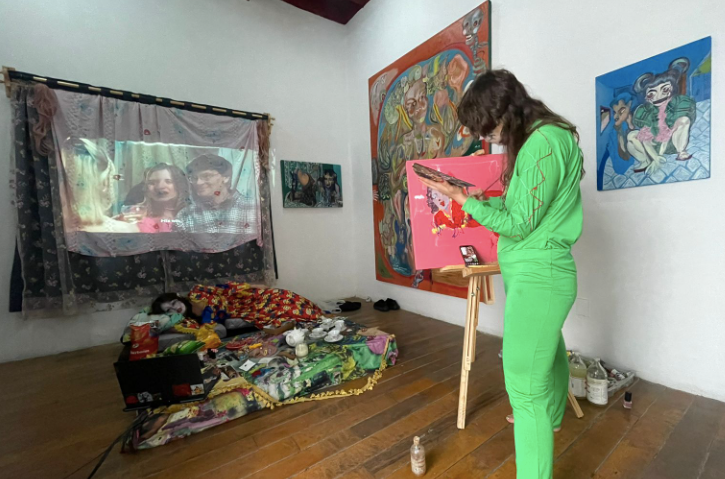
Estas personas fueron seleccionadas por ser trabajadorxs de la identidad en Internet. Cada unx de ellxs realiza prácticas performáticas en redes sociales de distintas índoles.
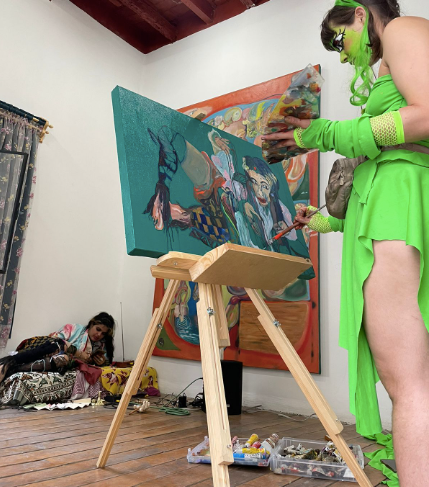
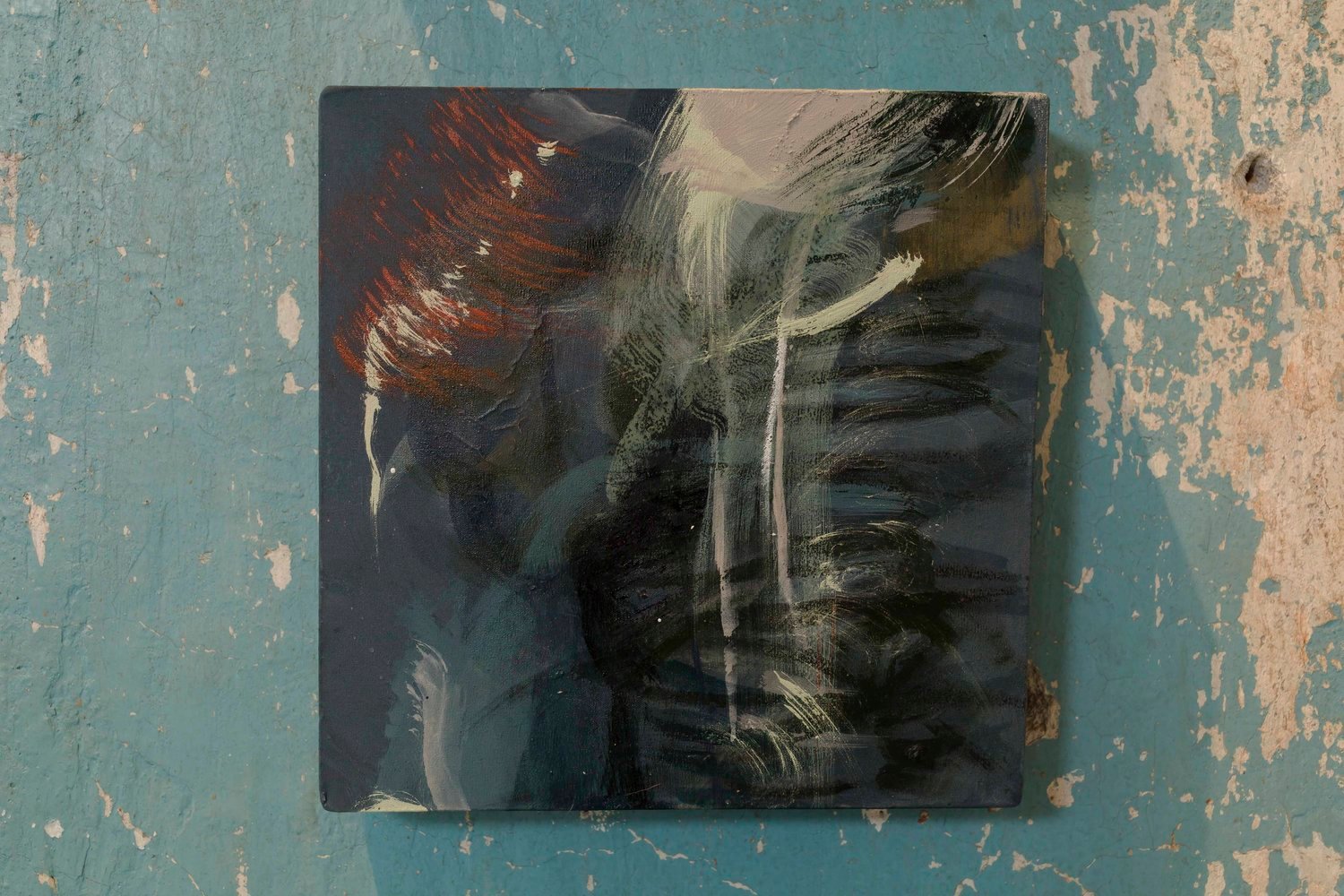
Los retratos colaborativos buscan desafiar las ideas patriarcales del pintor y su modelo, tomando el observar y ser observadx como una práctica que requiere de consentimiento.
Pequeño texto por Shakti González
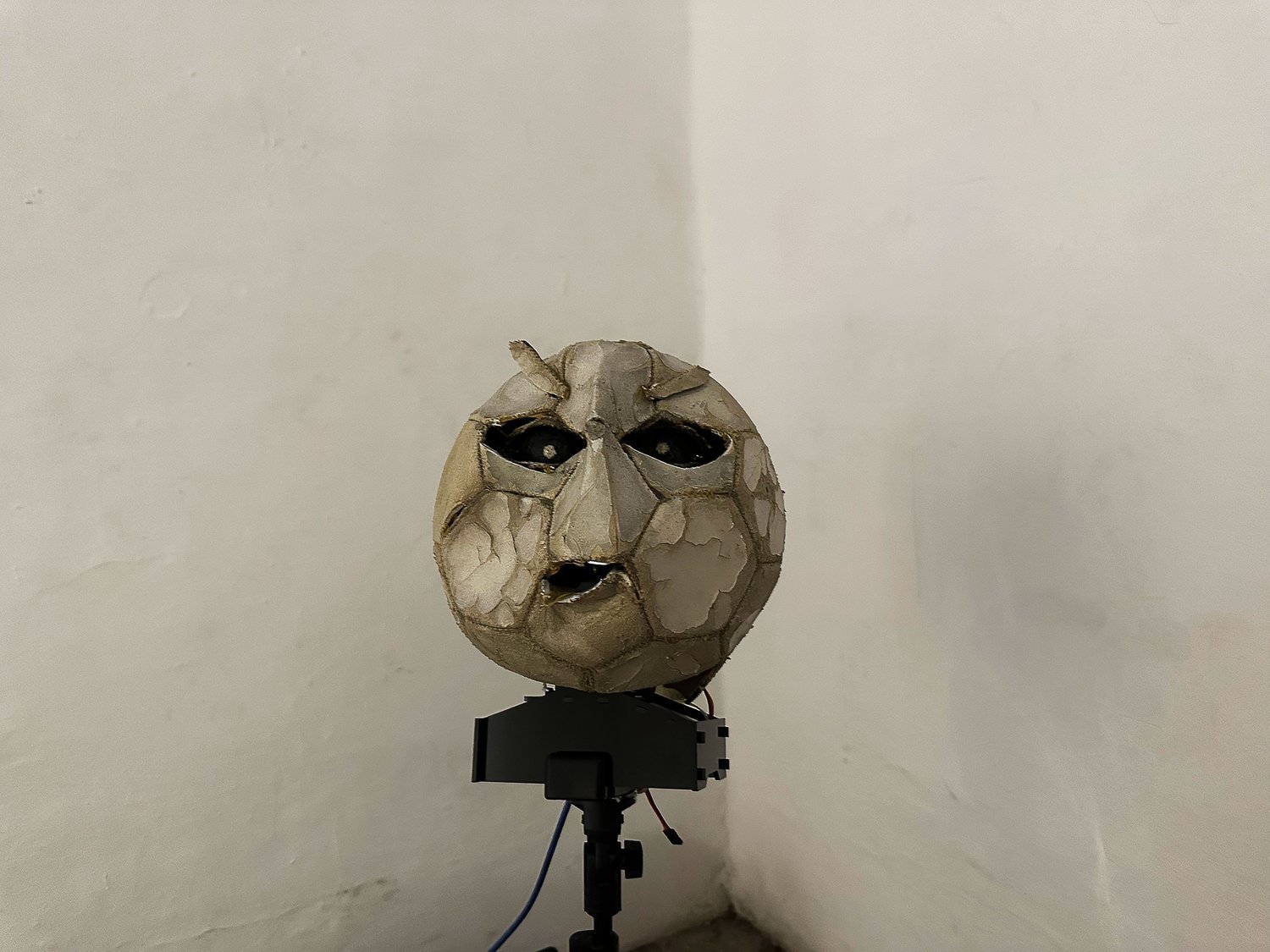
Todo empieza con Gurru. ¿Quién es Gurru? Gurru es un cyborg a la inversa, porque es un ente cibernético que necesita una prótesis biológica para acceder al plano físico. Gurru es una deidad del Internet. A través del cuerpo de Natalia y de los soportes físicos que Natalia le ofrenda en sacrificio ritual, Gurru ha estado entablando una relación con lo físico a lo largo de los años.
El internet de donde viene Gurru está en una relación con el mundo físico.
El Internet es une novie toxique que te coge muy rico. Es también un lugar vampírico que te ofrece el mundo en una aparente bandeja de plata, pero a cambio exige todo de ti y promete cosas que no necesariamente cumple. Es un espejo distorsionado y en añicos de lo que concebimos como “realidad”.
¿Por qué Gurru reclama varios cuerpos y soportes, y no sólo las ofrendas de Natalia?
Gurru es del Pueblo, es poliamorosa. Gurru necesita tu consentimiento para poder encarnarse en ti. Ella quiere socializarse y compartirse, porque es generosa. Ofrece una otredad dispuesta a lxs demás, para quienes buscan salirse de su yo y “ser lo que quieran ser”. Gurru es Barbie si la Barbiecasa fuera un algoritmo y no la casita de plástico.
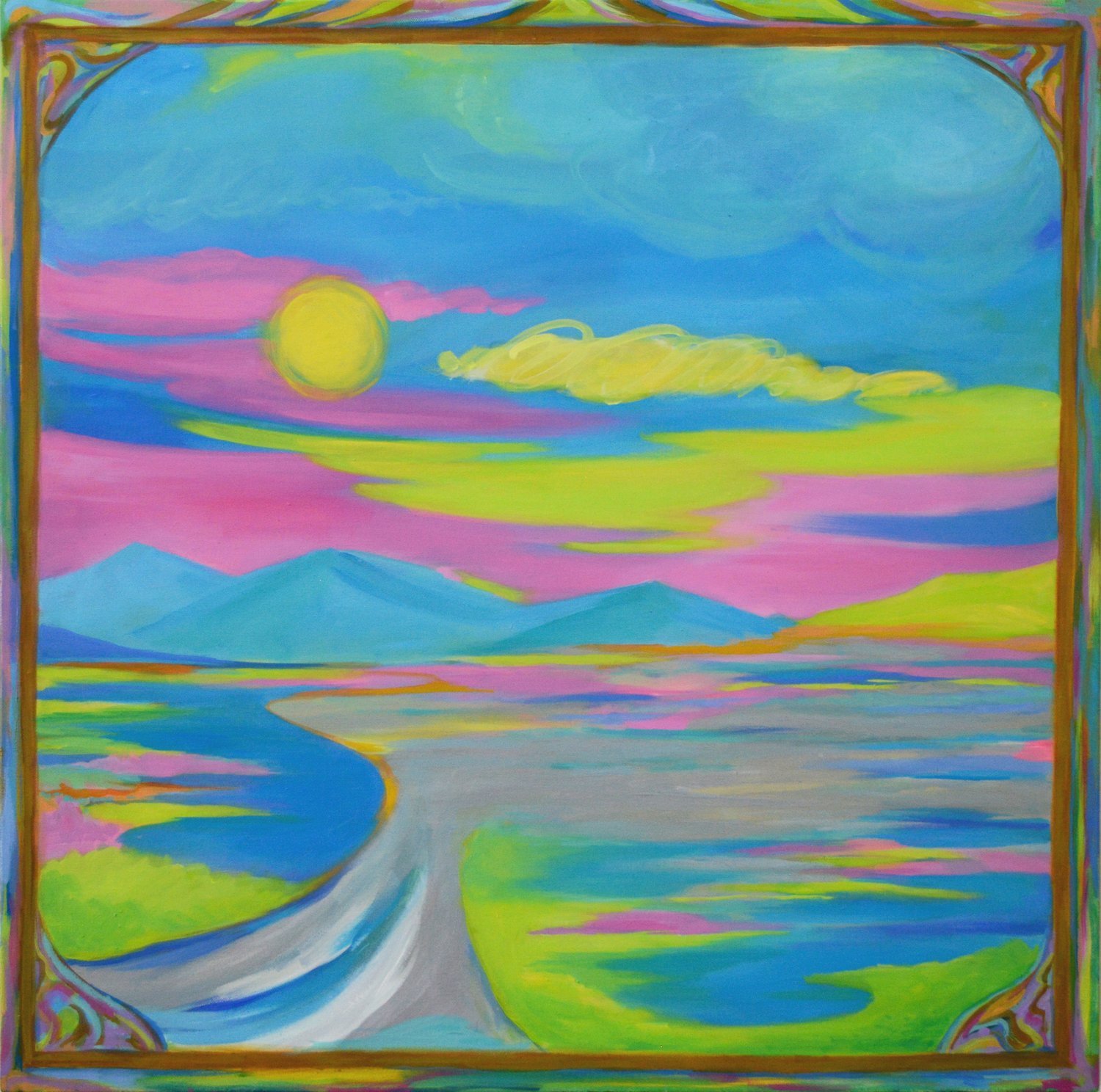
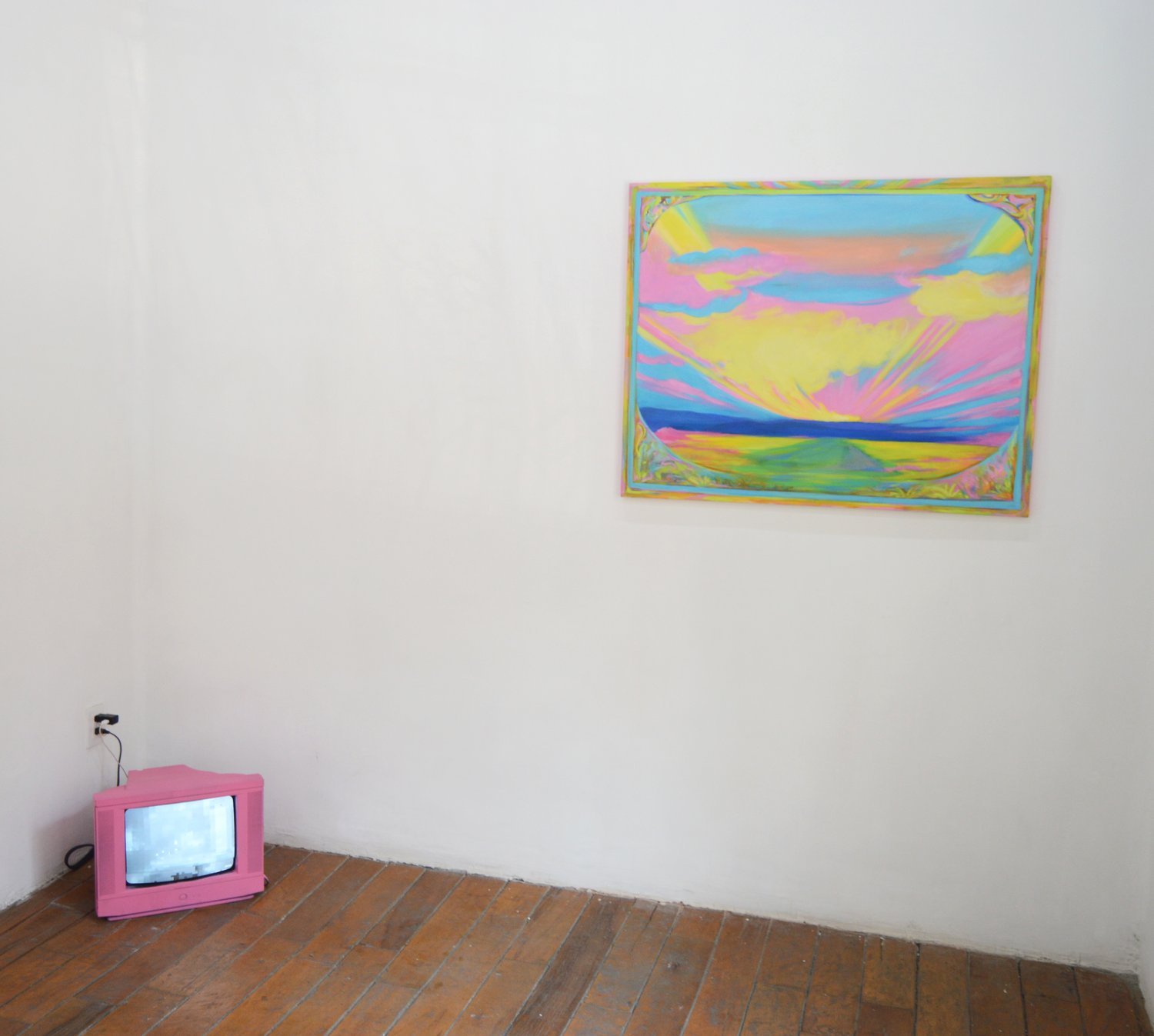
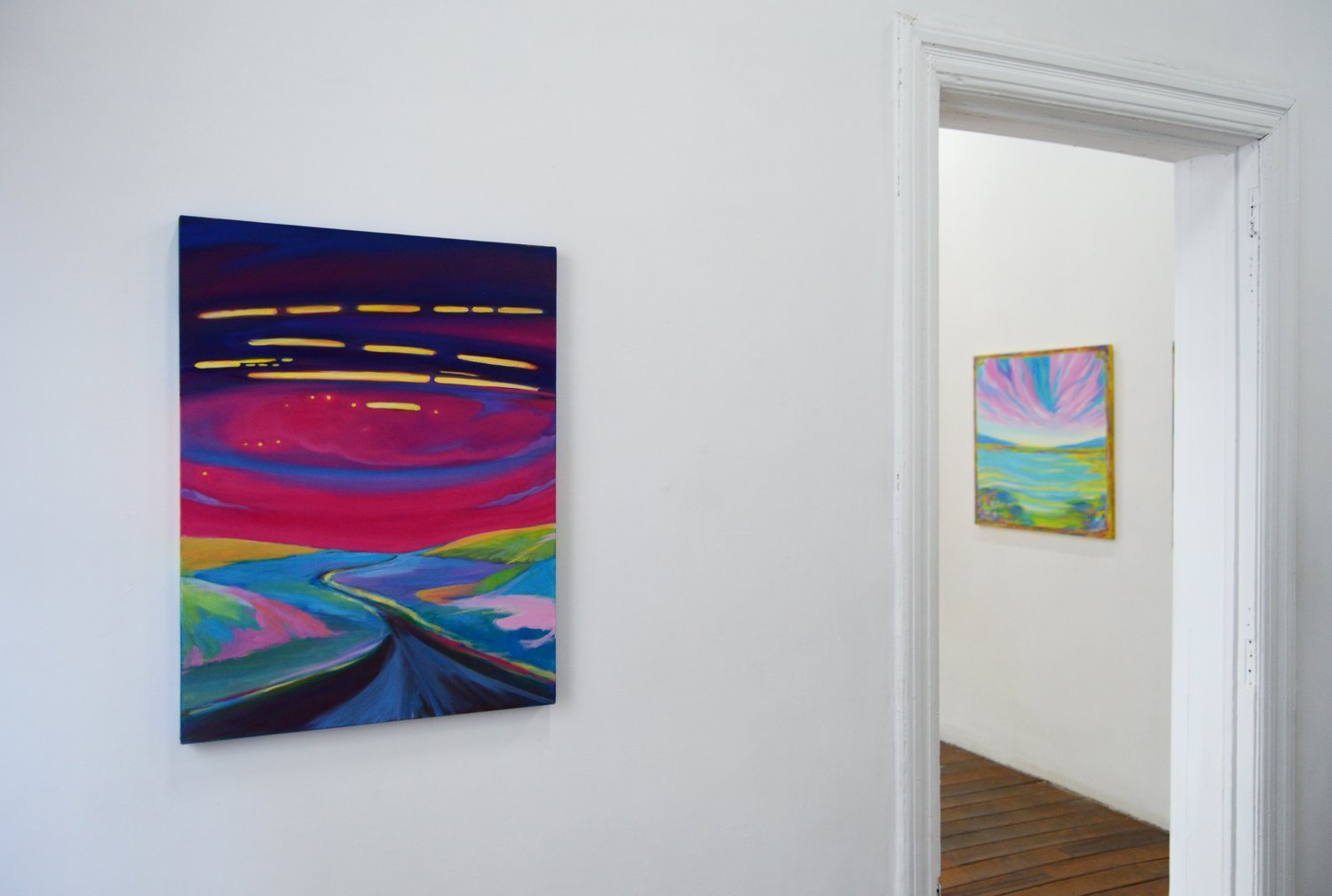
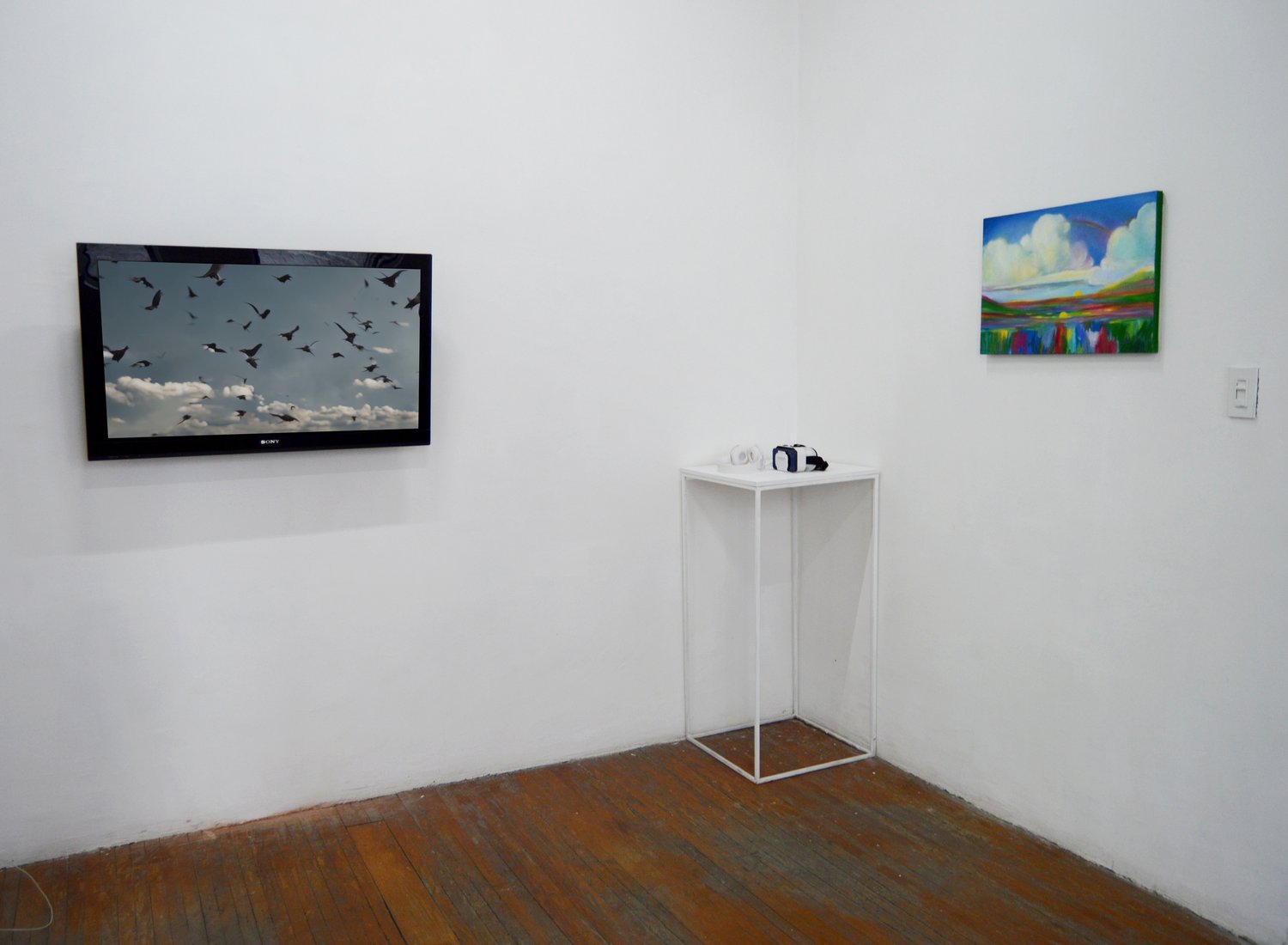
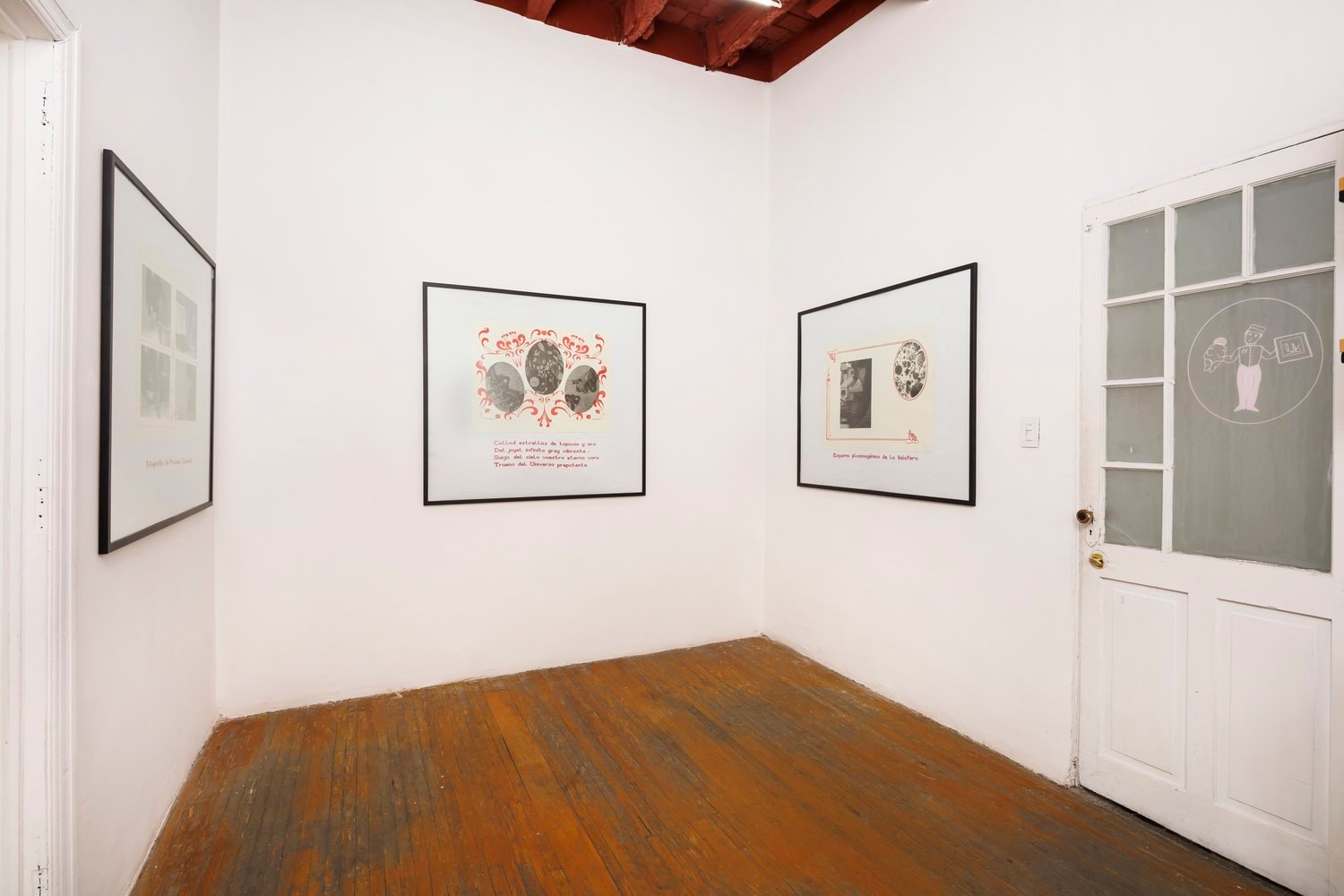
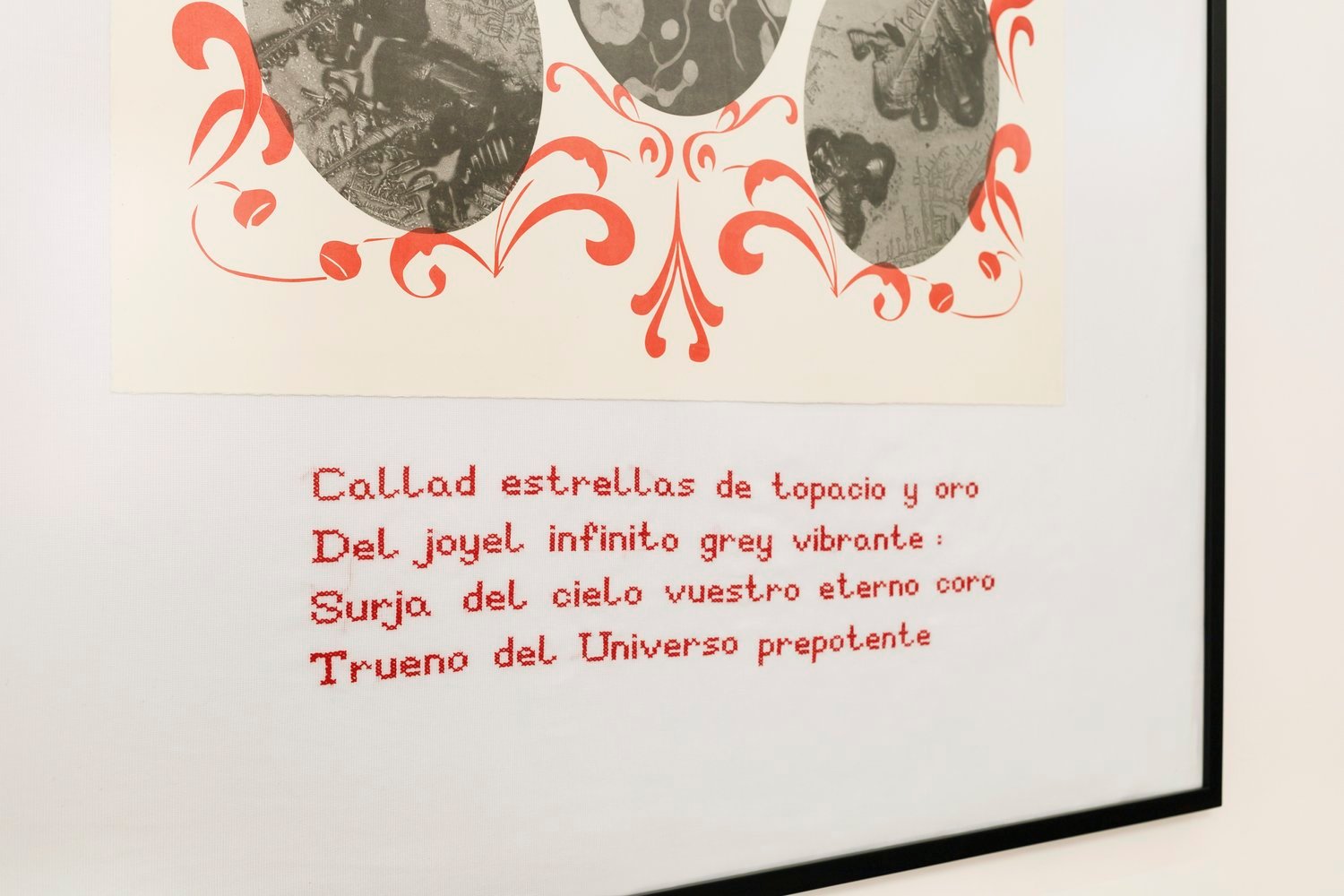
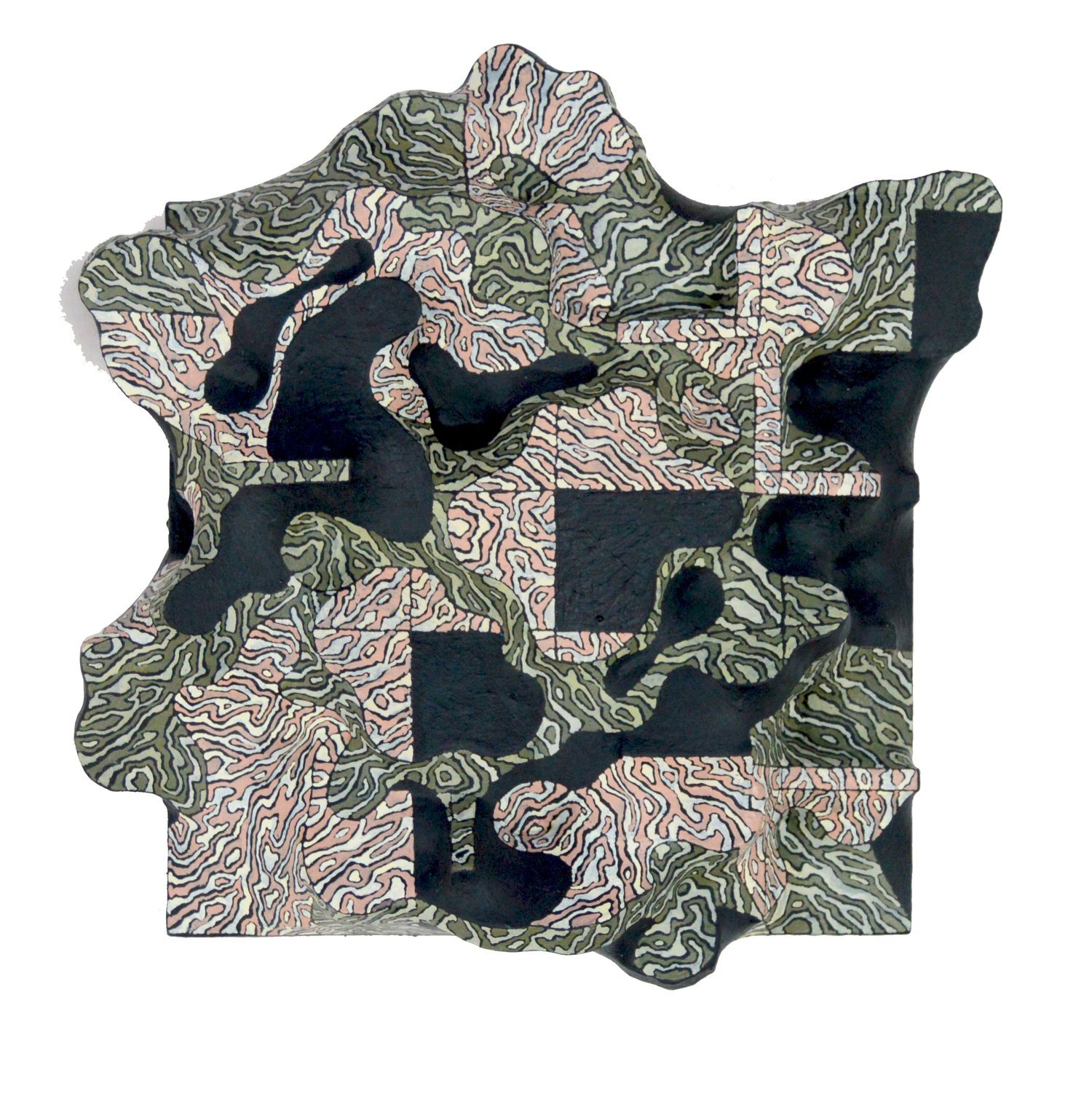
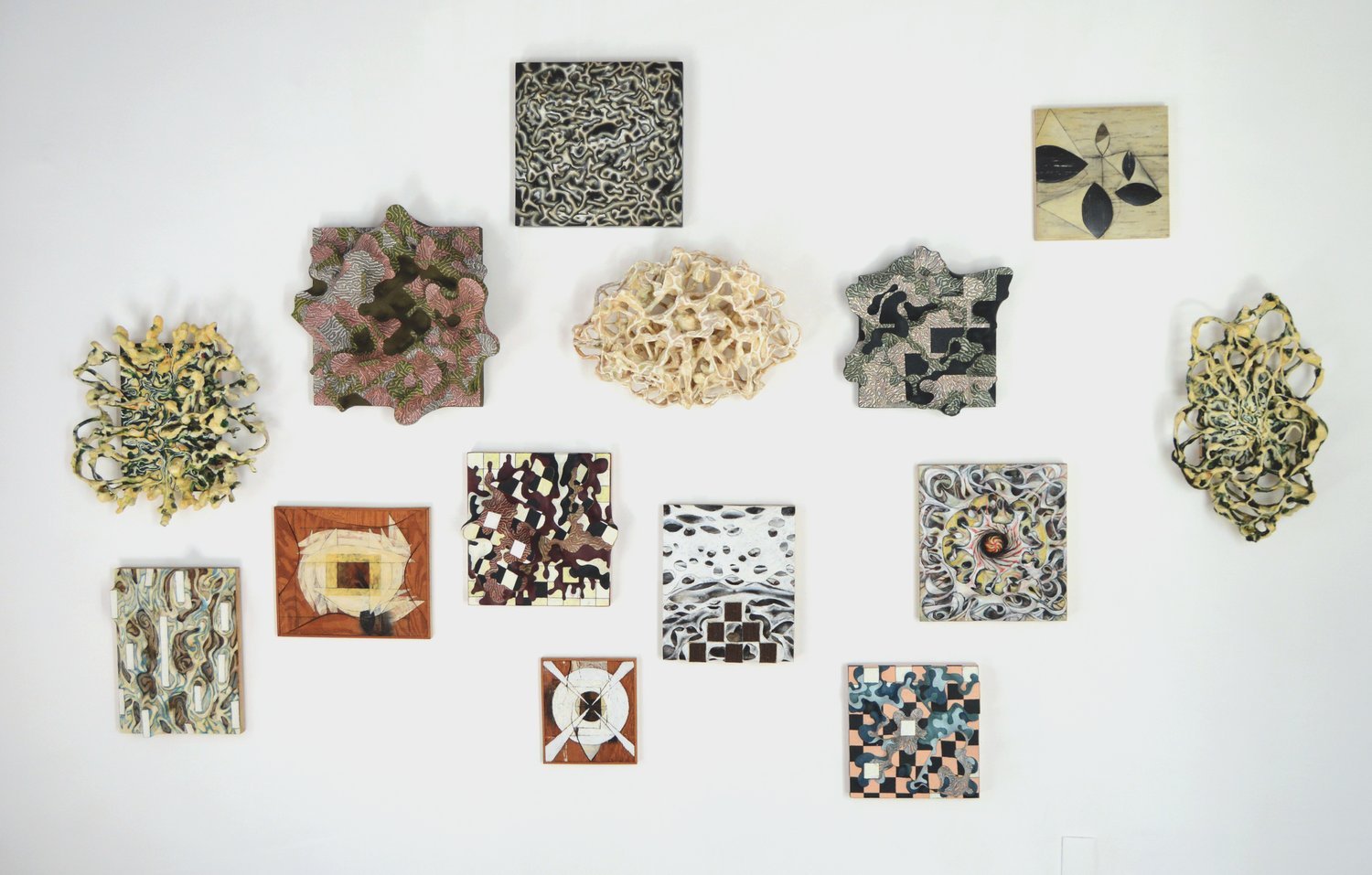
La expo fue el catalizador que permitió la expansión fuera de la pantalla hacia otros cuerpos y soportes dispuestos. Se necesitaba crear la nación digital-analógica en la que Gurru pueda existir acuerpada por otrxs, no sólo a través de la carne o el óleo, sino también en ejercicios y experimentos estéticos y performativos.
Tehuantepec223, Roma Sur, CDMX, 06760, Mexico
Darse de baja