Astropapi: The prediction of the predestined
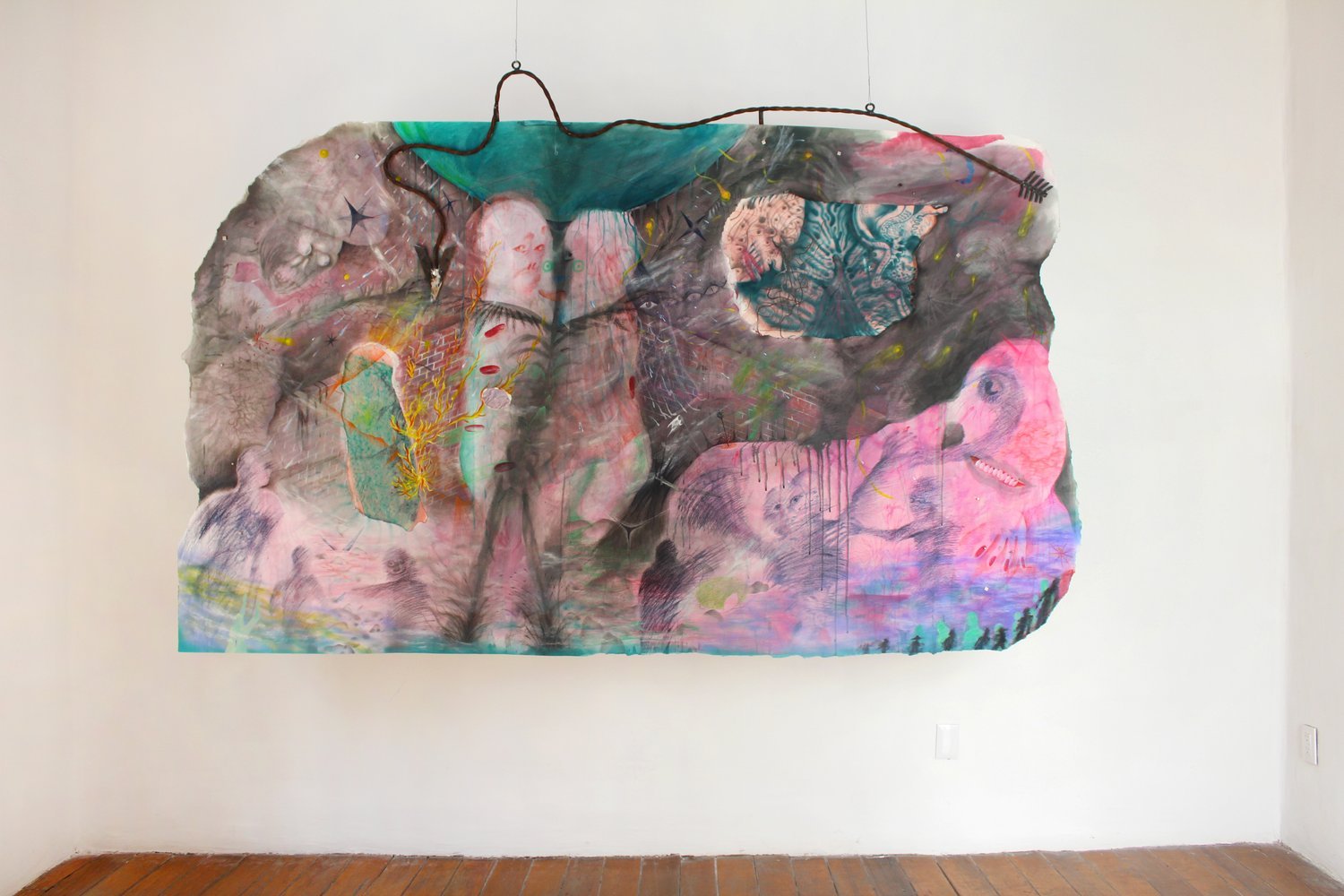
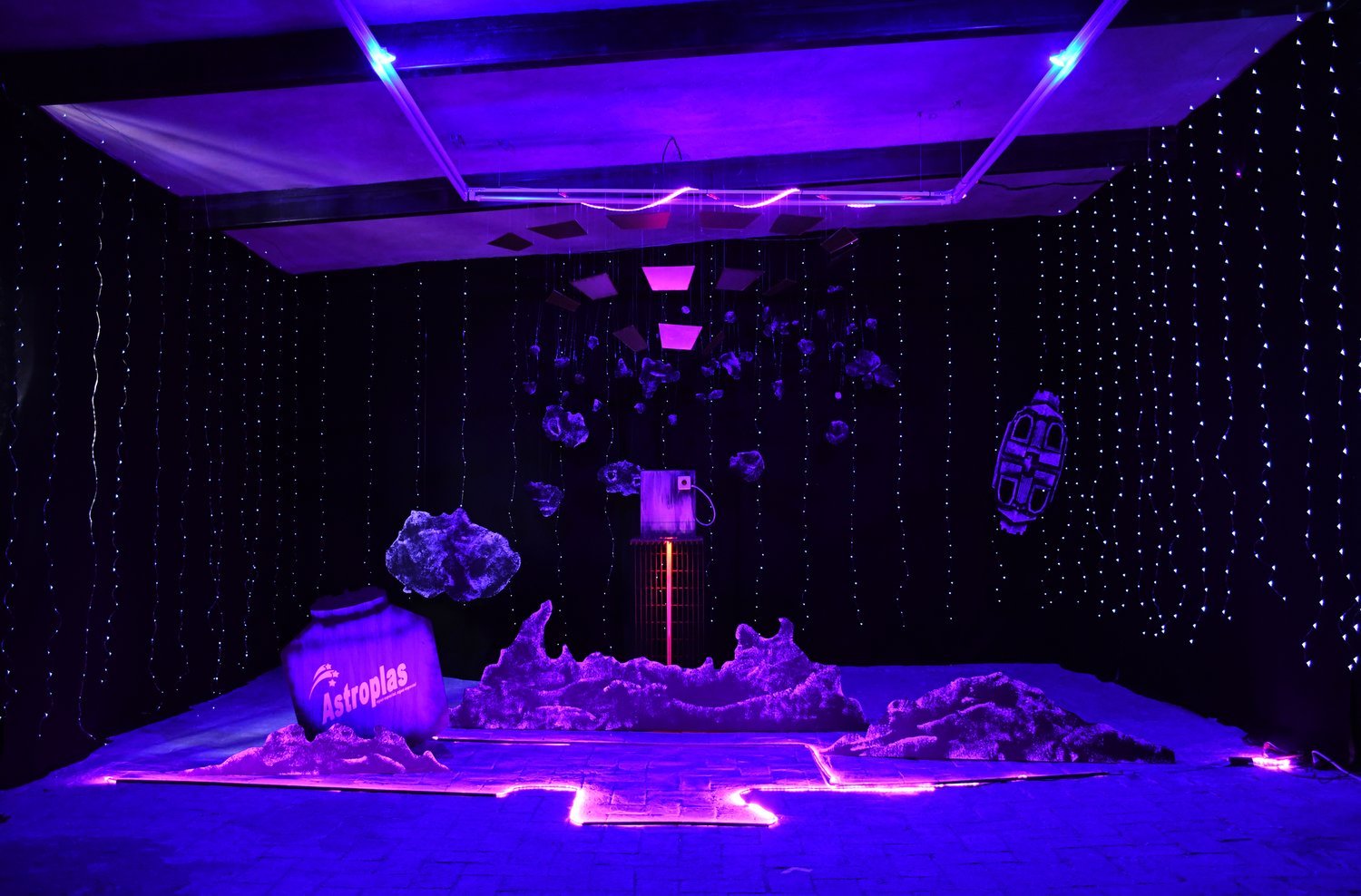
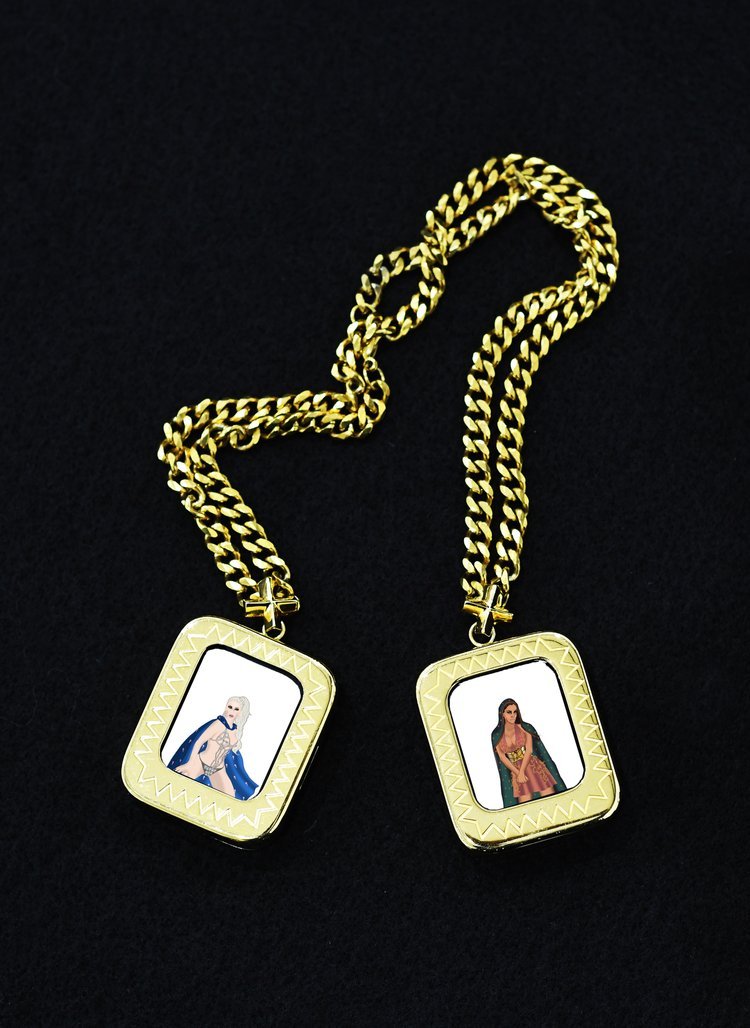
In Astropapi, Romeo Gómez López imagines a Mexico that is no longer called Mexico, occupying an extraterrestrial territory without snowy volcanoes or spots of pompous green gardens. However, the colors of the three theological virtues: faith, hope and charity remain in the national flag, and the Virgin of Guadalupe continues to be our sacred mother. In these United States of Guadalupe, founded after the Seventh transformation of national life, unionized charrismo is still intertwined with toxic masculinity.
Without territory, name or regime, what remains of our country? Which structures alternate with these transformations, thus permeating our entire social being?
Gómez López points to a Catholic conservatism that has little self-awareness. Like the strings in the last movement of Shostakovich’s fifth symphony, the persistent and tenacious element of national life imposing the beat and rhythm of history is faith in a total power of the Other that, as Hannah Arendt points out, redeems and excuses from any liability.
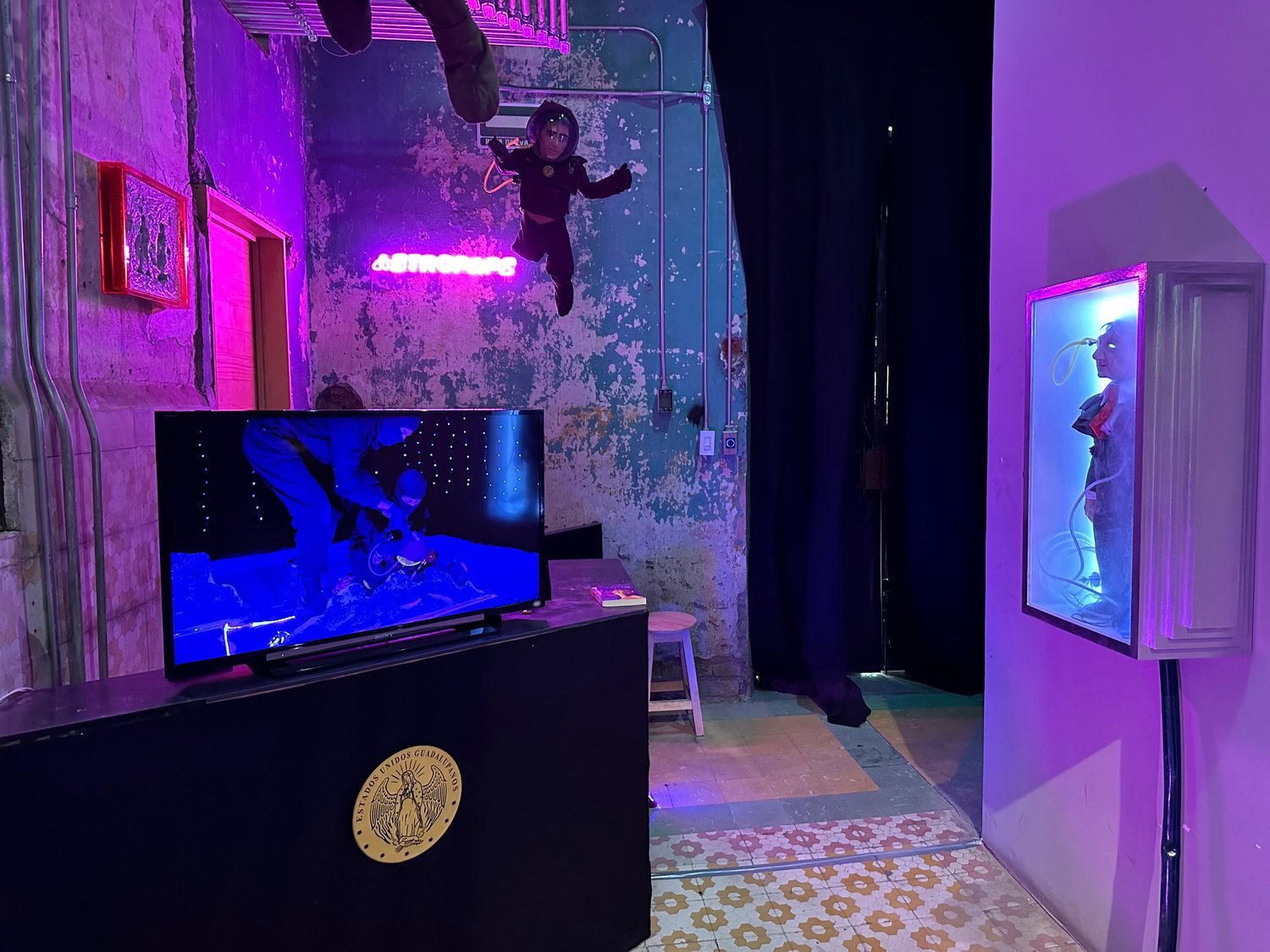
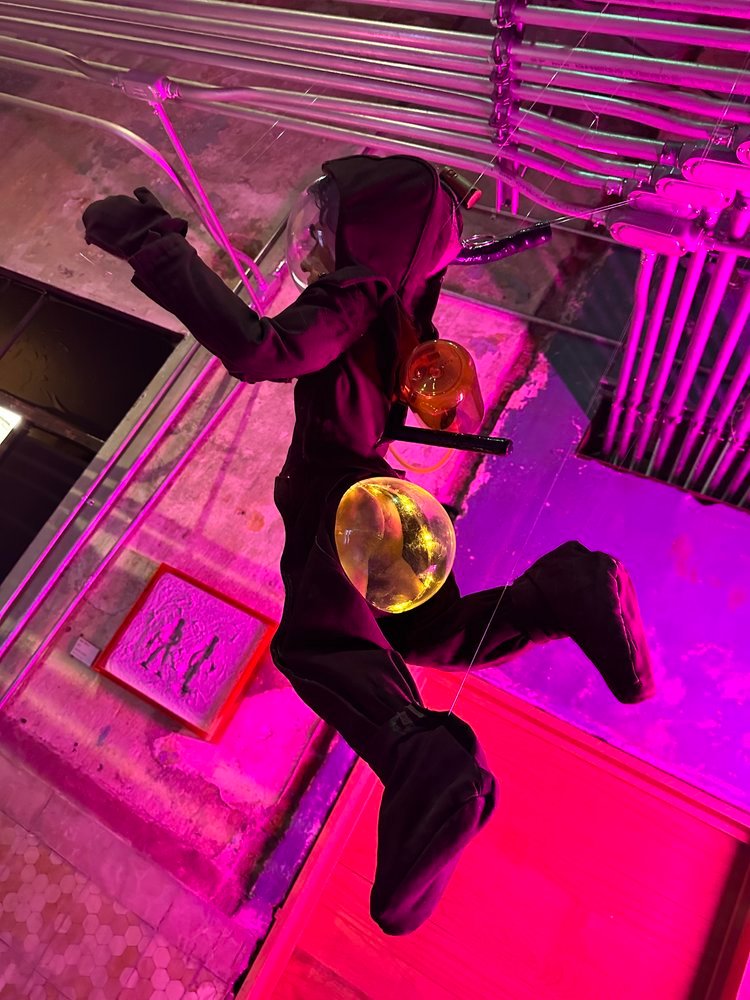
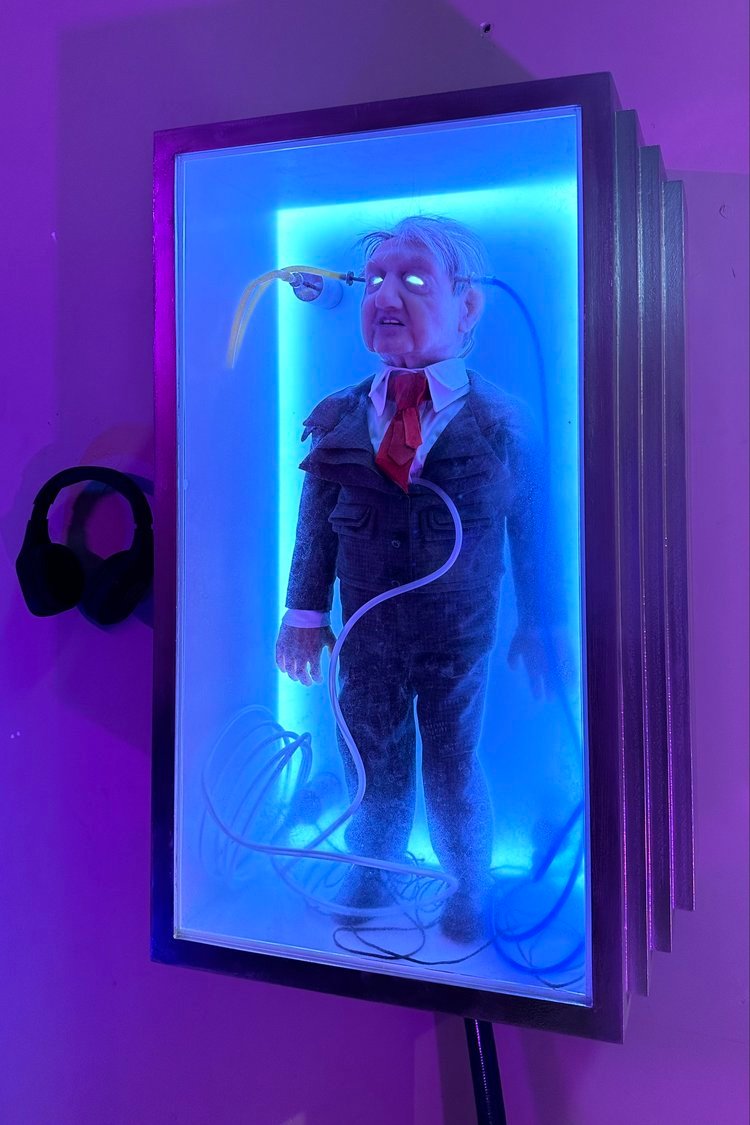
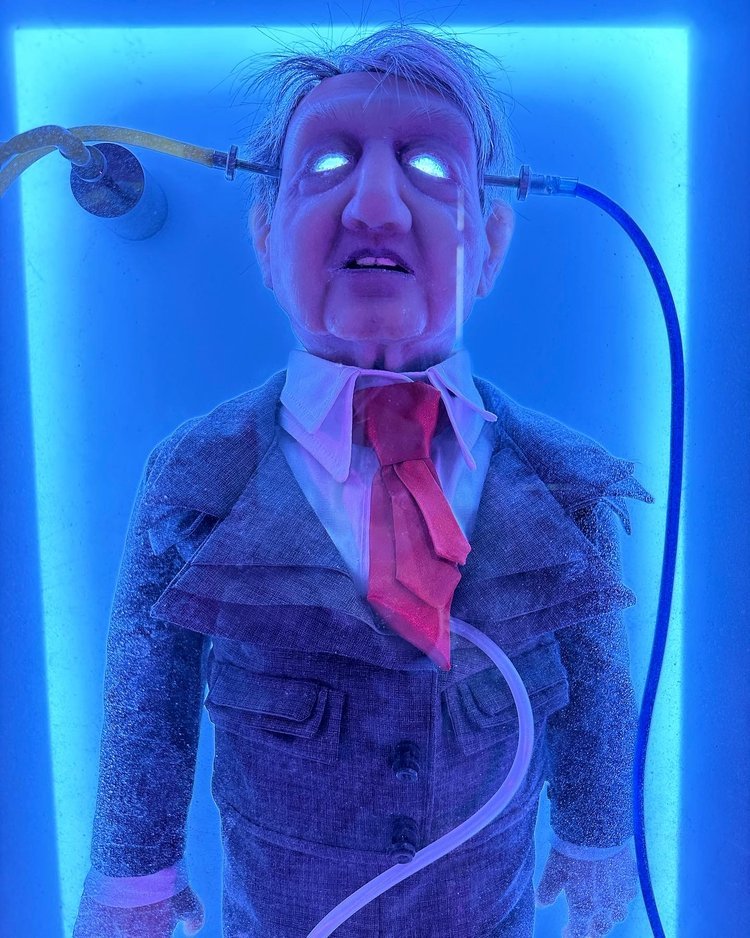
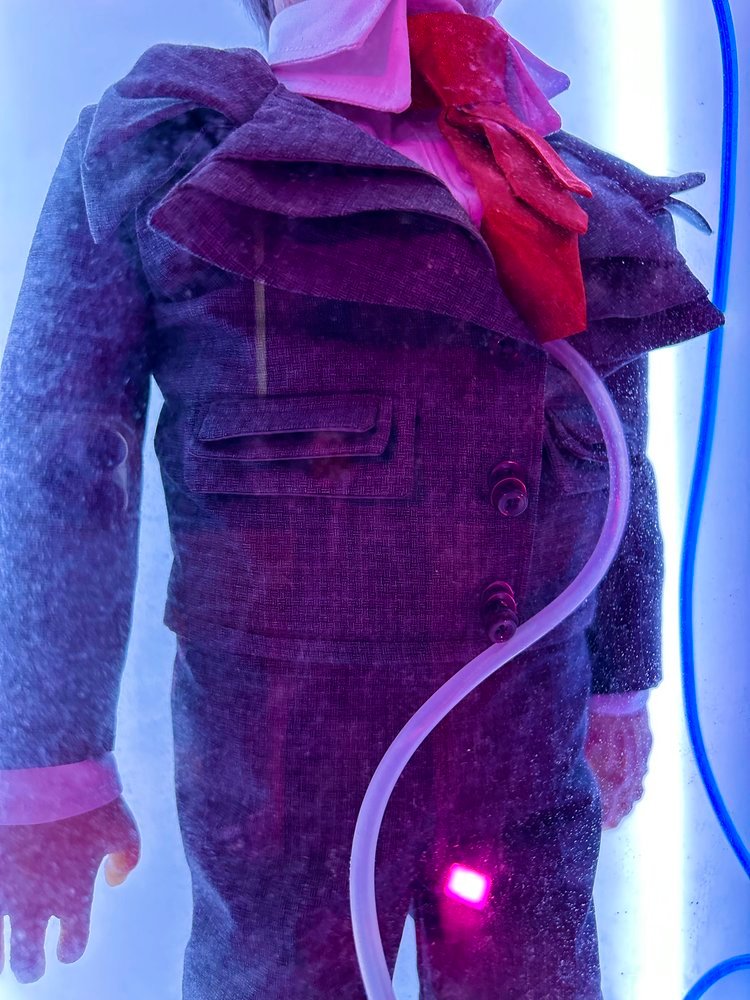
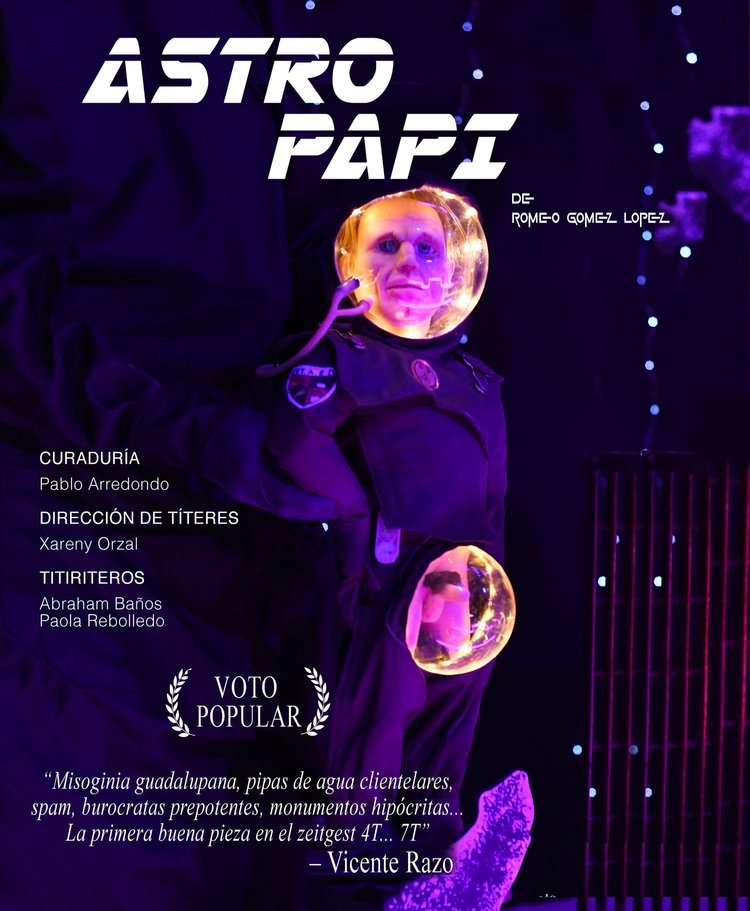
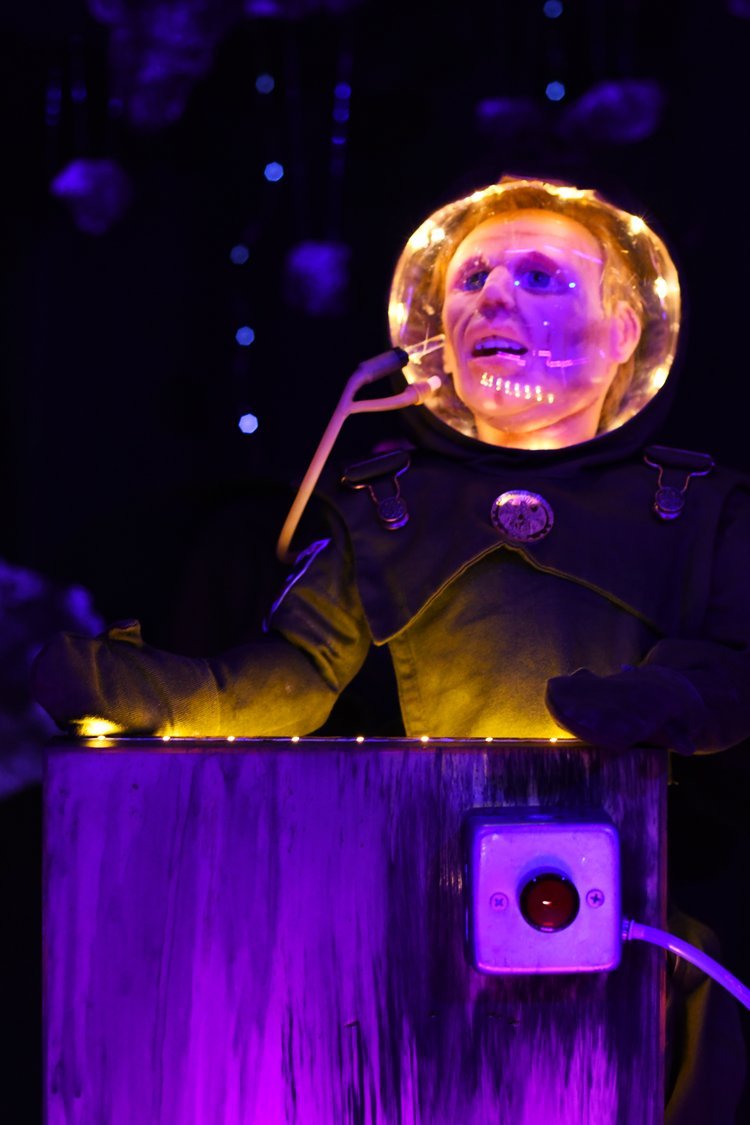
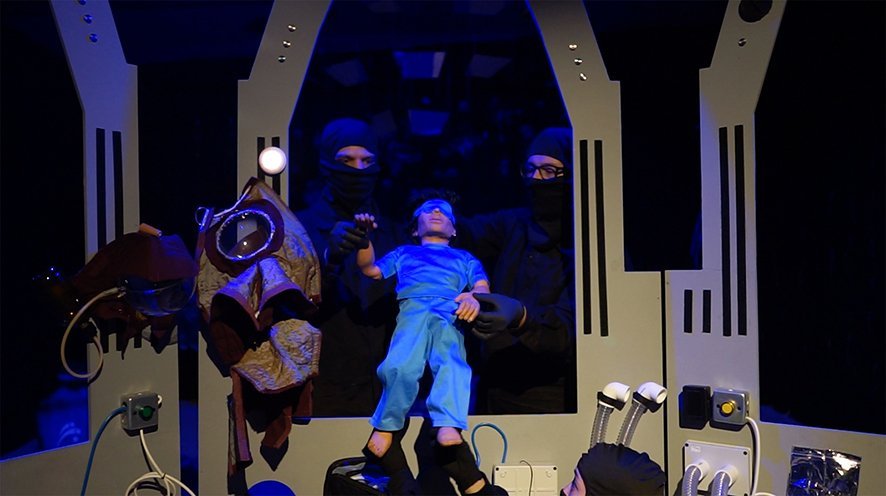
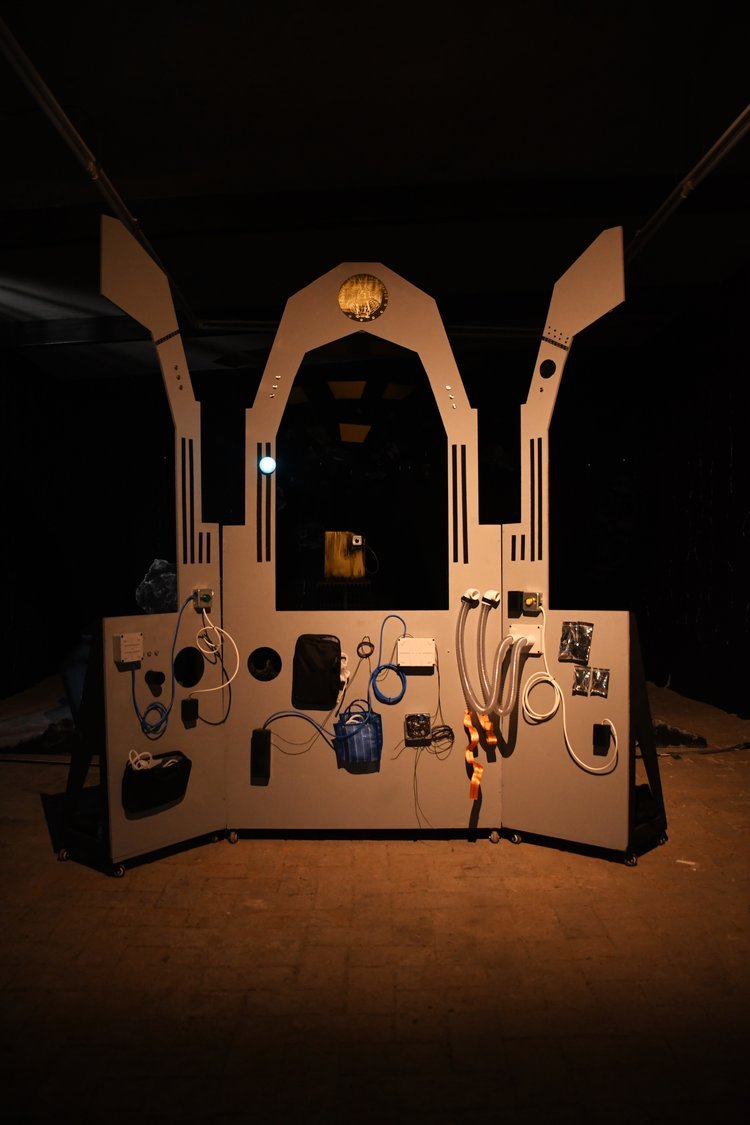
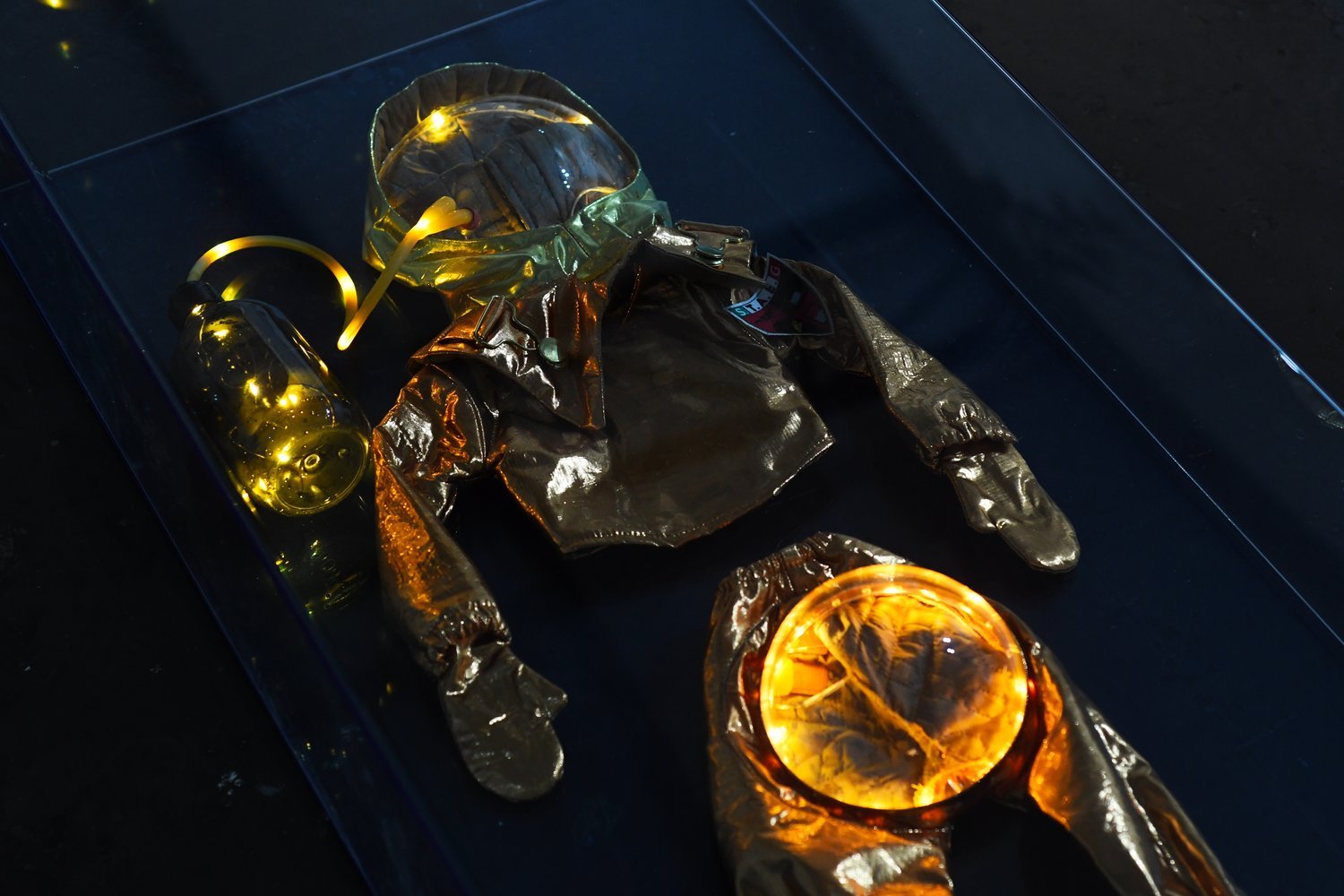
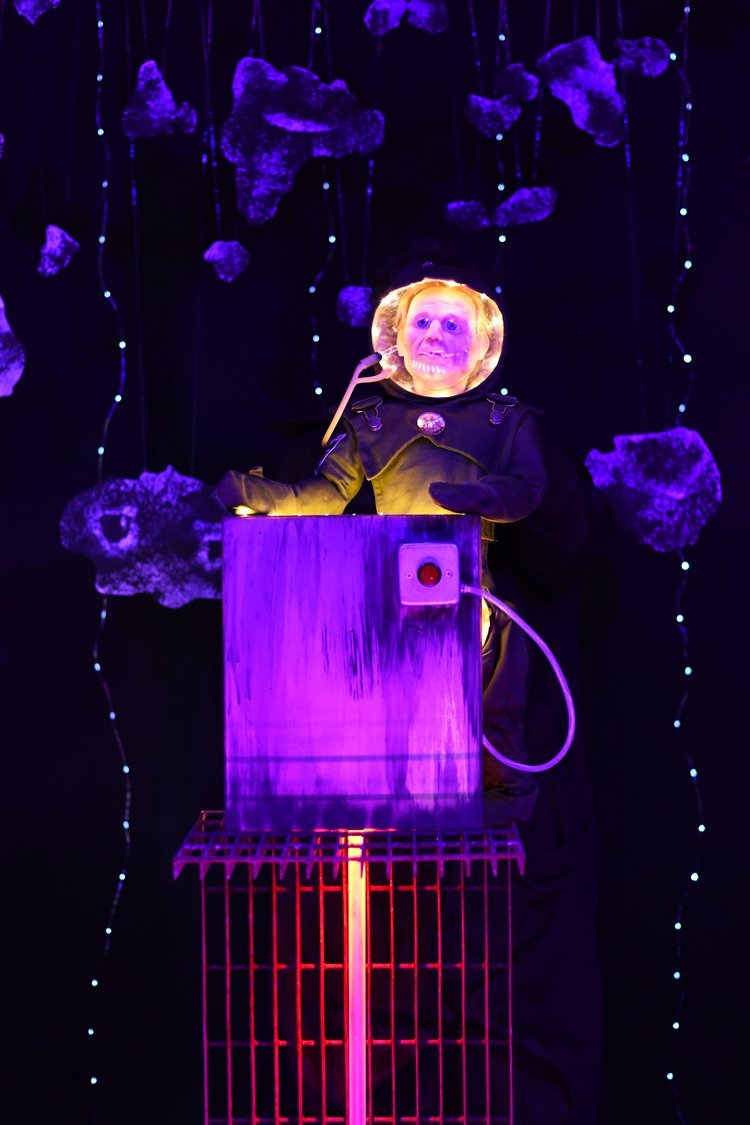
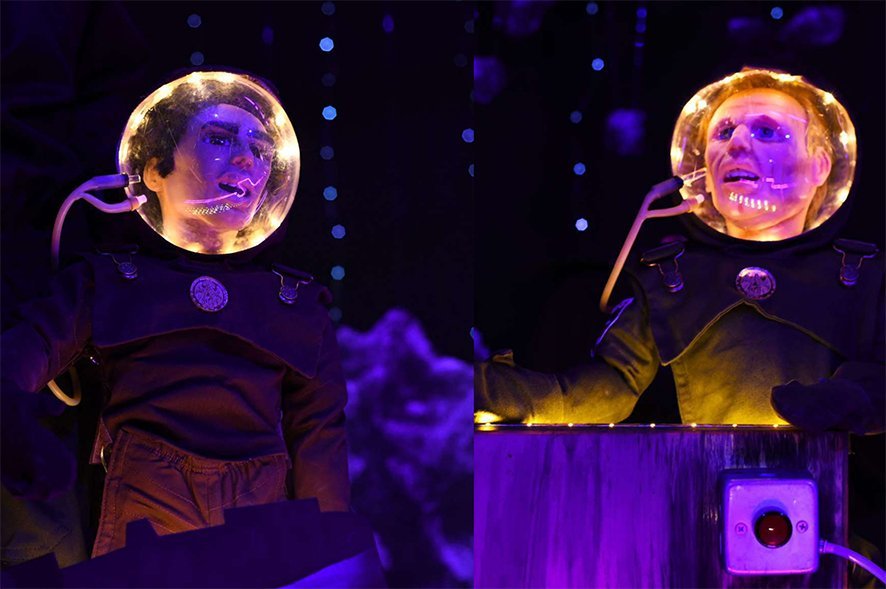
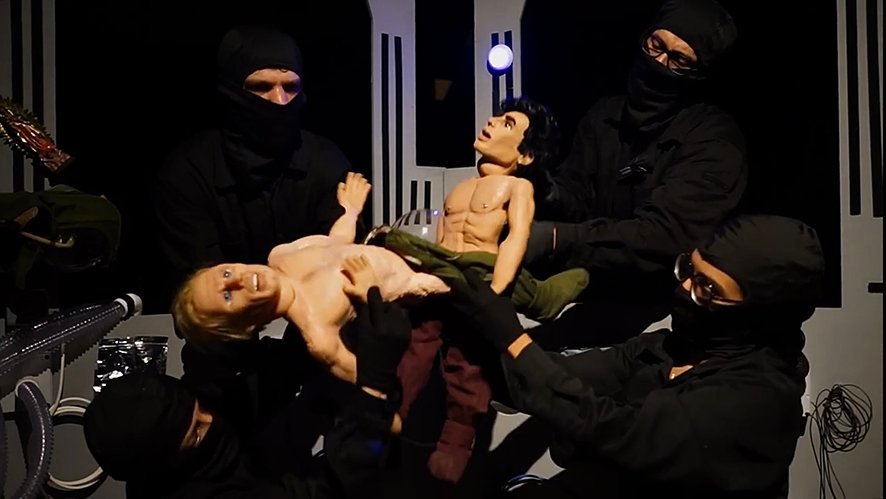
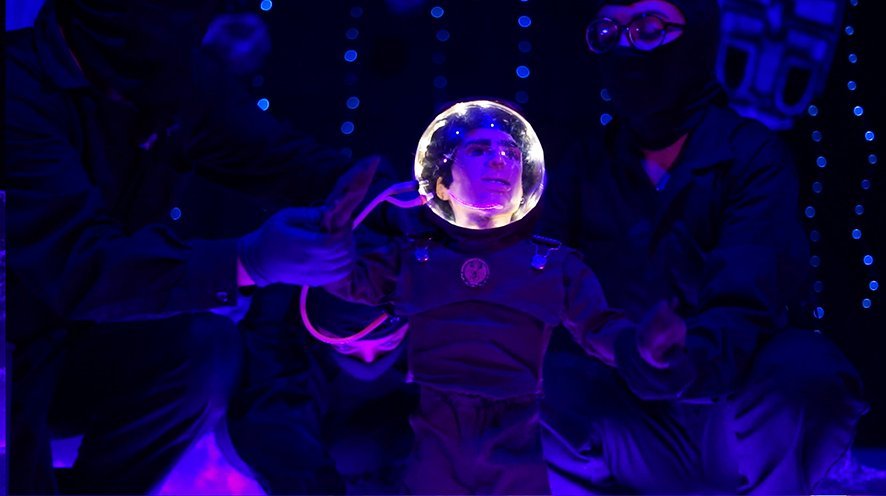
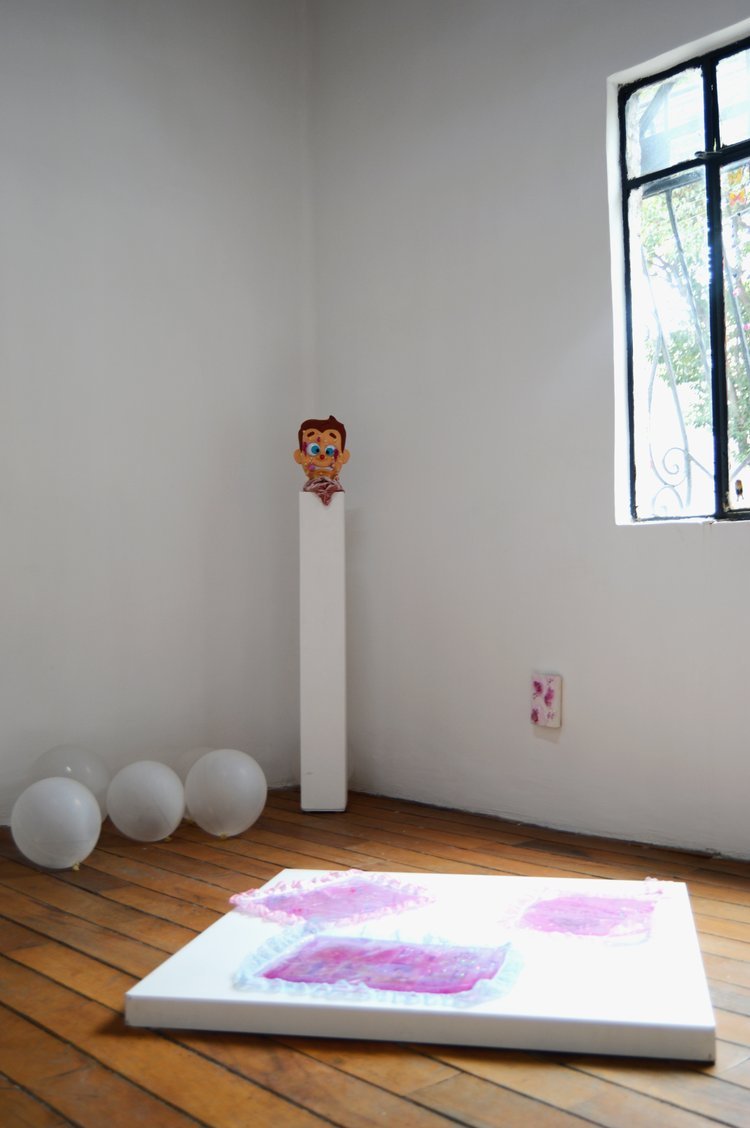
Astropapi is developed as a puppet show where puppets and puppeteers share scene. A hidden samurai choreography activates the installation in three acts. As in Sophocles’ play, destiny plays a fundamental role. YURI, a supracorporeal being, an official algorithm, shares the script with living and dead characters, apparently dictating the irreducible destiny.
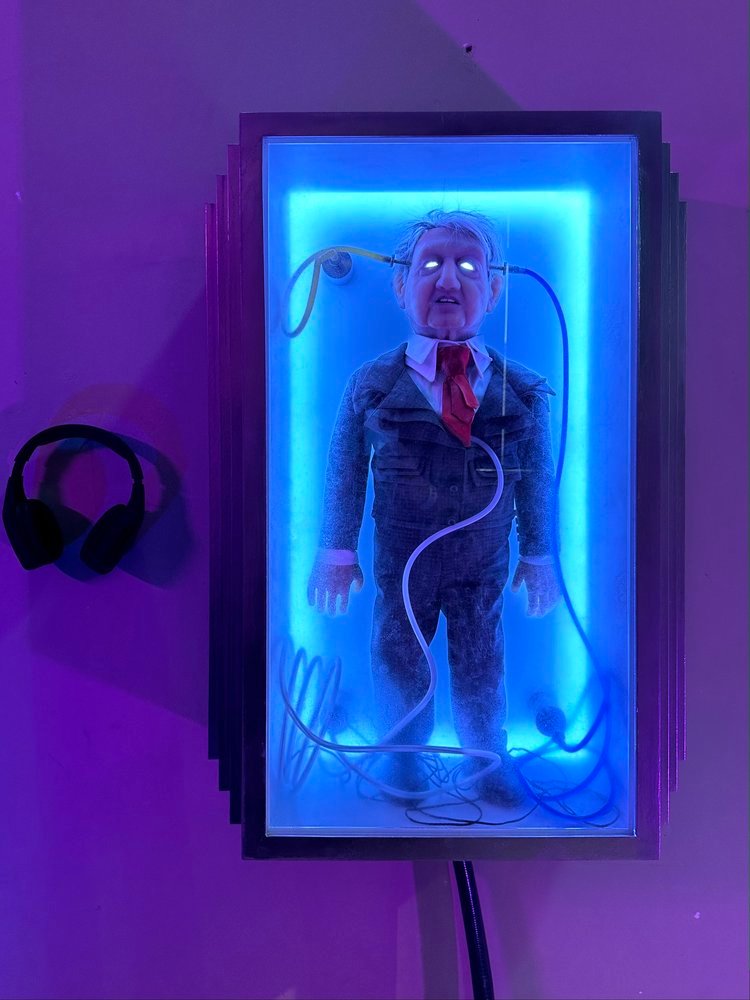
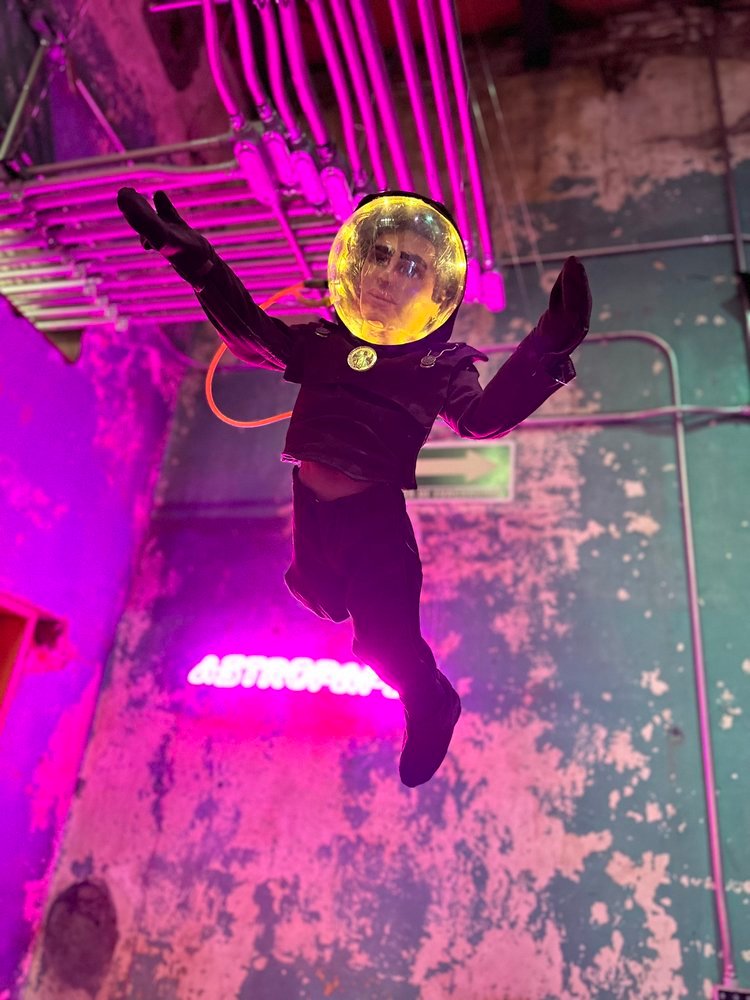
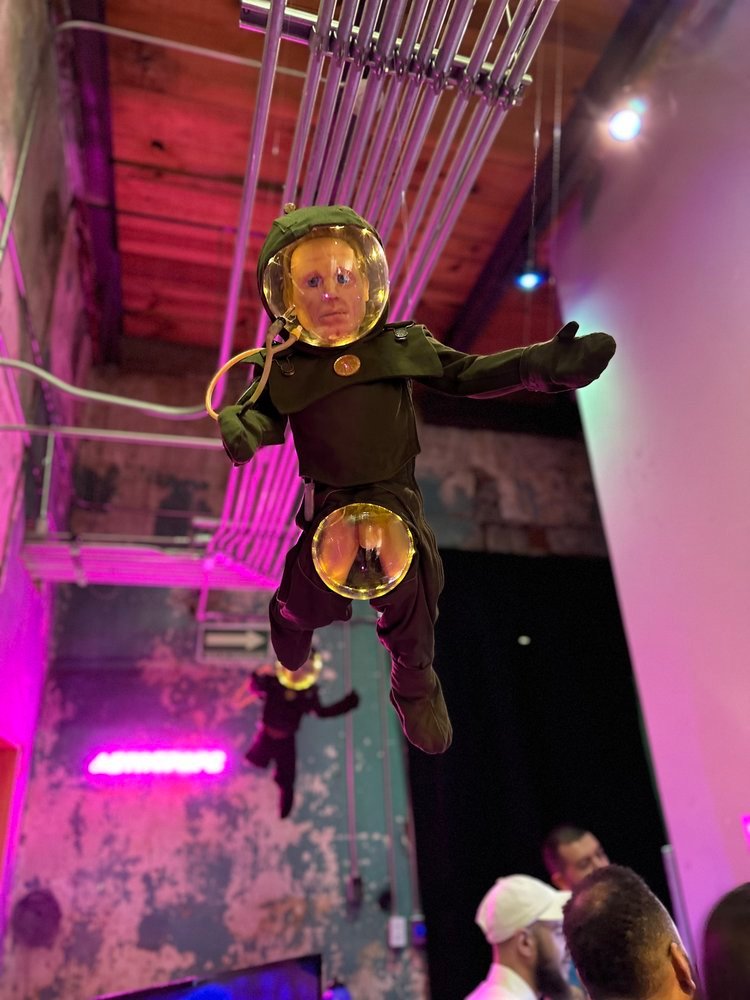
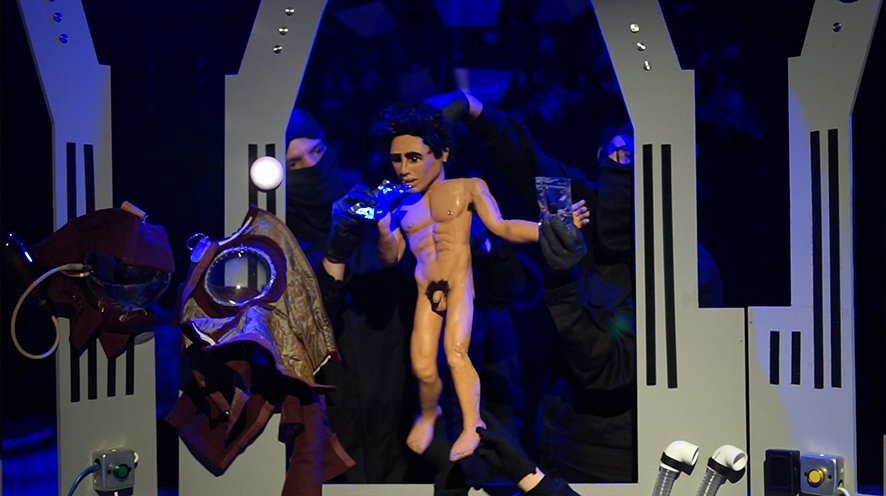
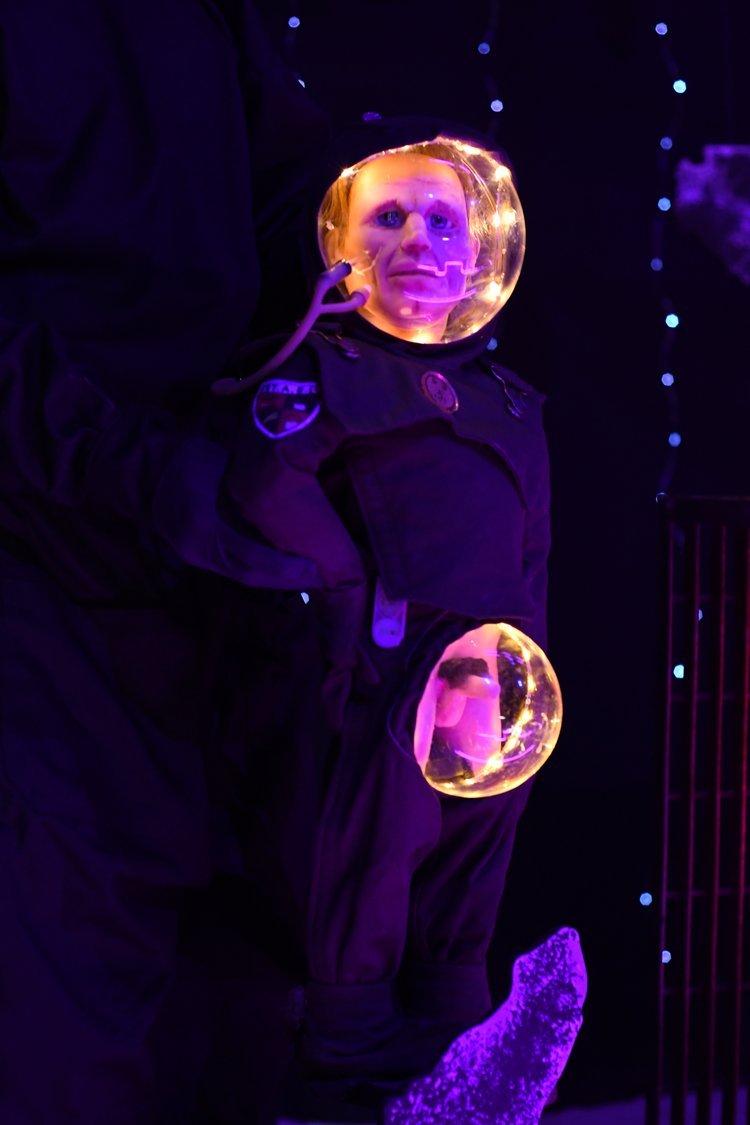
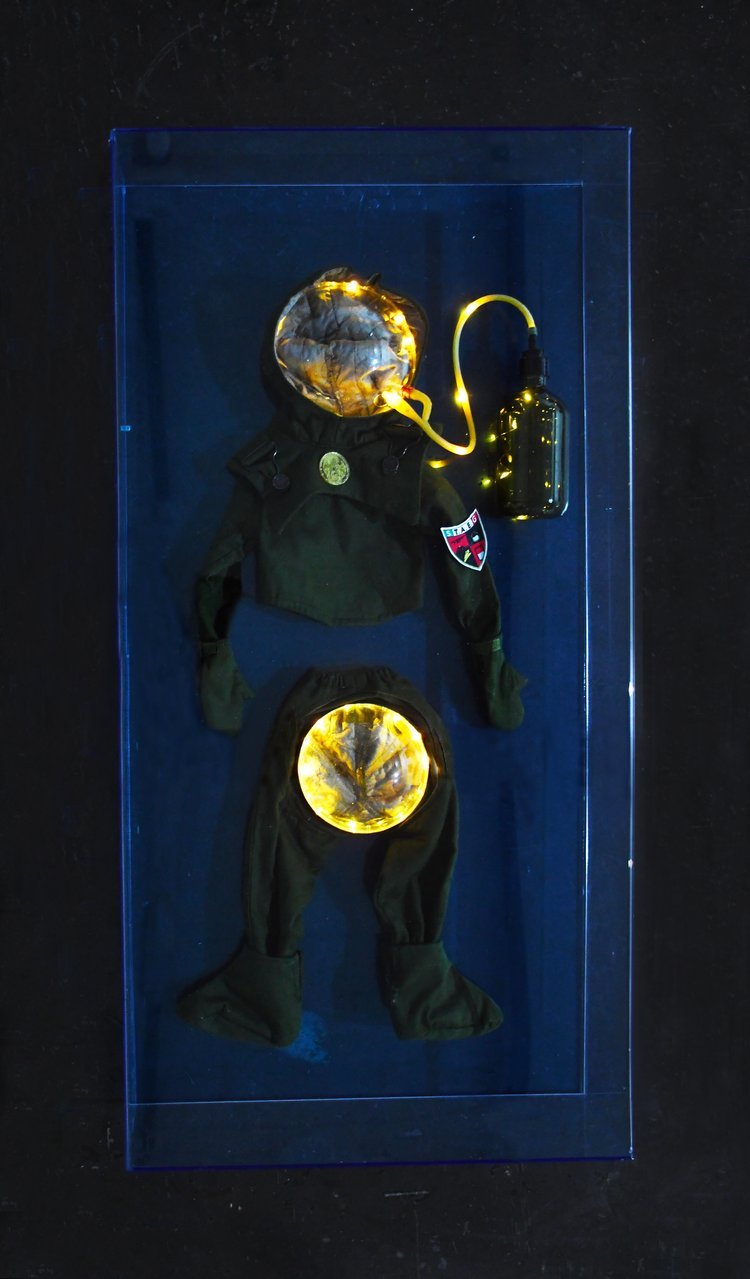
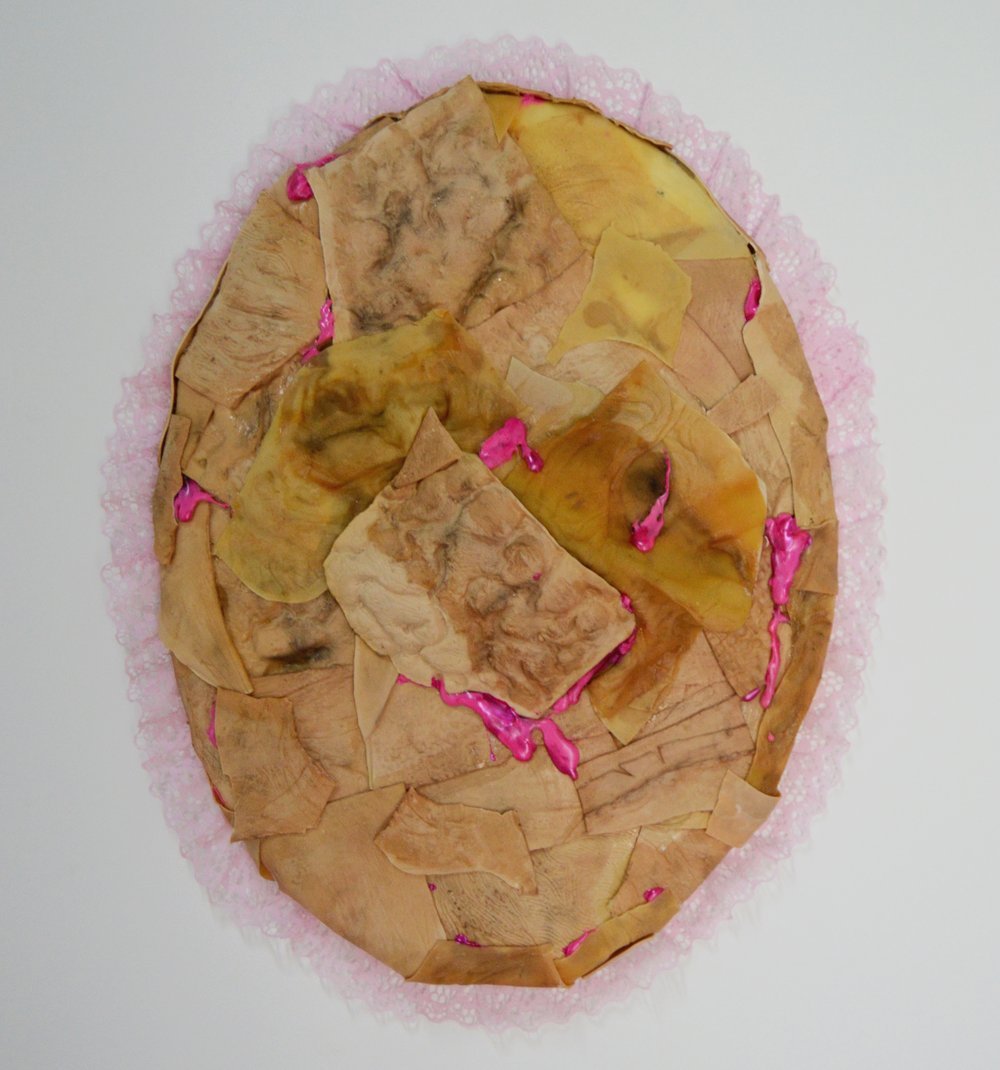
Gómez López has created two complex and realistic puppets with silicone skin, pubic hair and erections, taking the next step from his work on The Woke Zone (2020) . Likewise, he joins the experienced squad of puppeteers led by Xareny Orzal by controlling one of the characters on stage. The game of action figures transgresses gender roles and becomes a post pornographic exercise, to the sound of Paulina Rubio, among recognizable icons of the Chilango landscape, and making use of Japanese bunraku theater.
At the center of these different levels of discussion: the historical, the scenic, the material and the aesthetic, there is a reflection on the possibility of change and tradition, in particular of machismo as a constant component of the political structures of this country.
After seven transformations, what remains of Mexico? What is the machismo of woke men? What does penetrative sex between men mean? How will male bodies continue to be exploited by the extractive industries of the future? Some of these questions are answered pessimistically. In the same way, the persistence of the syndicalist parastatal system as a lever of national development is drawn. Fate, Providence, the Spirit or the algorithm dictate the course of our lives, atoning for any guilt. Predicting what was previously destined to happen carries a high degree of disappointment.
Pablo Arredondo Vera